







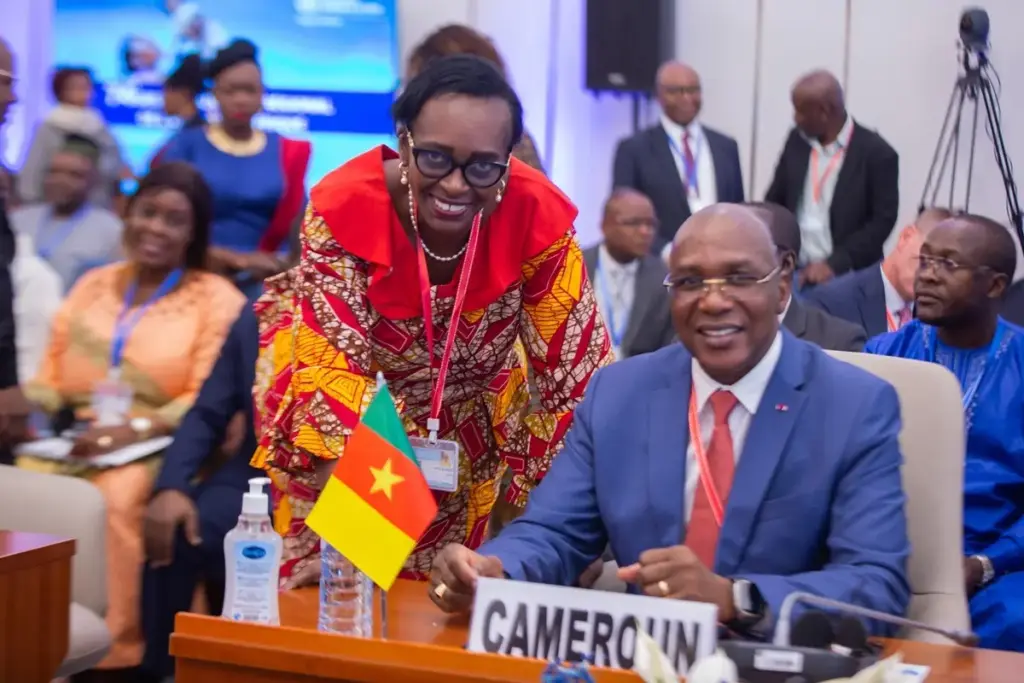
In an unprecedented and powerful show of unity dedicated to bolstering the future of global public health, 14 African countries alongside numerous international development partners have pledged more than US$ 45 million to the World Health Organization Investment Round. This milestone financial commitment marks a major step forward for the three-month-old initiative, which was specifically designed to generate sustainable, predictable, and flexible financing for the organization that stands at the very center of the global health architecture.
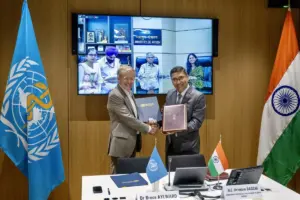
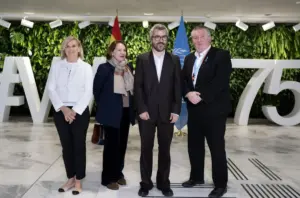
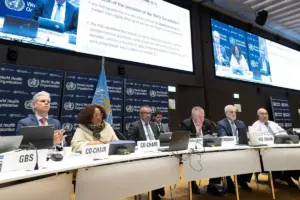
The historic commitments were formally announced during the high-level proceedings of the World Health Organization Regional Committee for Africa. Throughout the gathering, esteemed heads of state and government leaders from across the African continent took the floor to underscore the critical importance of investing collectively in global health systems and ensuring the operational longevity and independence of a strong WHO.
Dr. Tedros Adhanom Ghebreyesus, the Director-General of the World Health Organization, expressed his profound gratitude for the overwhelming response from the continent during this pivotal moment for international health financing.
"I thank our African Region Member States for actively supporting WHO’s first Investment Round to mobilize predictable and flexible resources needed for our core work over the next four years," Dr. Tedros stated, addressing the assembly of leaders and delegates. He further emphasized the long-term impact of these contributions, noting that full and sustainable funding will ultimately enable the organization to support individual countries much more effectively in their ongoing domestic and regional work to build healthier, more resilient, and more prosperous populations.
The momentous event brought together a diverse coalition of nations and institutional partners with the shared goal of sustainably funding the WHO. By securing reliable financial backing, the organization will be better equipped to fulfill its extensive mandate and aggressively advance key global health objectives aimed at promoting, providing, and protecting health and well-being for all people, leaving no vulnerable community behind.
The 14 African nations that stepped forward to anchor this financial mobilization effort represent a broad geographic and political cross-section of the continent. The participating countries include Botswana, Cabo Verde, Chad, Congo, Ethiopia, Gambia, Mauritius, Namibia, Niger, Rwanda, Senegal, Seychelles, South Africa, and the United Republic of Tanzania. Their collective financial contributions and vocal political support highlight a growing regional ownership of health security and a shared understanding that strong multilateral institutions are vital for confronting cross-border health emergencies.
Alongside these Member States, a distinguished group of institutional partners and philanthropic organizations joined the historic pledging event, with several entities also committing to formalize additional financial support and pledges later in the year. Among the key partners standing shoulder-to-shoulder with the African nations are the Helmsley Charitable Trust, the World Diabetes Foundation, pharmaceutical leader Roche, the Kuwait Fund for Arab Economic Development, the Bill & Melinda Gates Foundation, the African Development Bank, and the WHO Foundation. This broad coalition demonstrates a unique convergence of philanthropic, public, and private sector interests aligned behind the singular goal of securing the financial future of the global health body.
Dr. Matshidiso Moeti, the WHO Regional Director for Africa, highlighted the profound regional and global implications of these financial commitments as the health sector navigates an increasingly complex landscape of emerging and persistent diseases.
"A strong, predictable and sustainably financed WHO is essential for our region and the world to meet the multiple health threats we face; and support the prevention of disease based on the vast evidence at our disposal," Dr. Moeti remarked during the committee sessions. Emphasizing the collaborative spirit of the initiative, she added, "Every pledge and every partnership counts. Together, we can achieve a future where health and well-being are accessible to all."
The momentum generated at the Regional Committee for Africa represents a critical milestone, but it is far from the conclusion of the broader financial campaign. The WHO Investment Round will continue to unfold over the coming months, featuring a series of high-profile pledging moments and advocacy events scheduled around the world to engage additional member states, private sector entities, and philanthropic donors.
The ambitious Investment Round itself was officially launched earlier this year at the World Health Assembly in May 2024. The fundamental premise of the initiative is to generate financial contributions that possess three distinct structural characteristics: they must be flexible, allowing funds to be closely aligned with the core WHO strategy as approved by its Member States; they must be predictably provided right at the start of the organization’s four-year budget cycle to empower leadership to engage in long-term strategic decision-making and planning; and they must be resilient, deriving from a much larger, more diverse, and less volatile set of donors than has historically been the case. By shifting away from heavily earmarked, short-term funding toward a more sustainable model, the WHO aims to secure the institutional agility required to protect global health for years to come.