







In a significant development for speech-language pathologists and educators, a new suite of structured, evidence-based curriculums has been launched, aiming to provide a standardized framework for improving vocal quality, resonance, and prosody in children and teens. The initiative addresses a long-standing challenge in the field: the need for consistent, scalable, and practical therapy tools that can guide young speakers from initial assessment through to mastery in real-world environments.
The new resources—which cover Foundations of Healthy Voice Use, Resonance and Nasality, general Voice development, and Prosody—are designed to alleviate the burden of treatment planning for clinicians. By offering a cohesive path, these tools ensure that students can develop the skills necessary to project their voices with clarity and confidence, whether they are speaking in a classroom, participating in social activities, or performing on stage.
Foundations of Healthy Voice Use
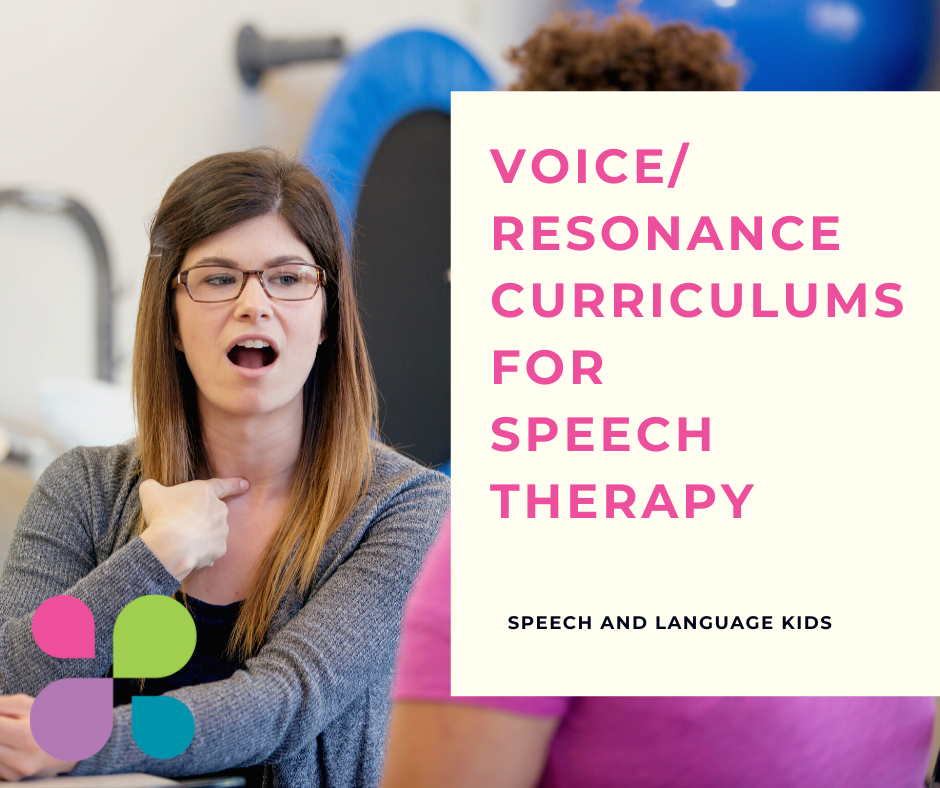
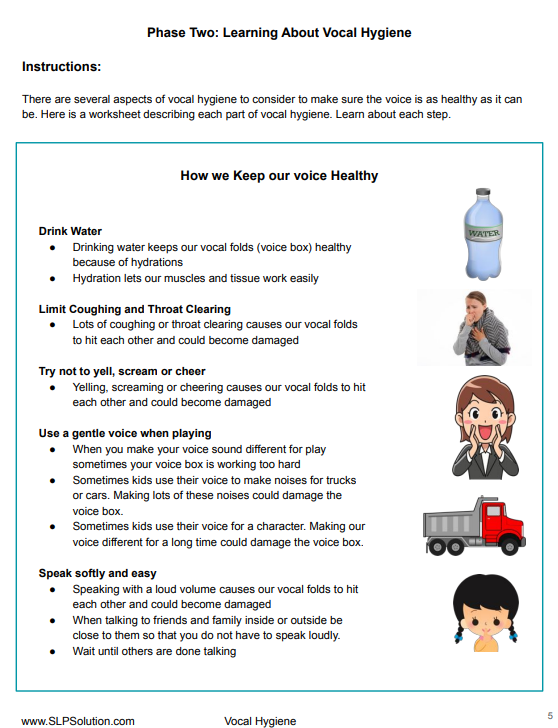
The core of the program begins with the "Foundations of Healthy Voice Use" curriculum. This program is specifically engineered to instill sustainable habits in children and teenagers by focusing on the mechanics of vocal hygiene, breath control, and efficient voice production. Many young people struggle with vocal strain or improper technique, which can impede their ability to communicate effectively. This curriculum breaks the learning process into three distinct levels, catering to different stages of development.

At the beginner level, the focus is on vocal hygiene and preventing strain, typically targeted at children aged five to twelve. As students progress into the intermediate level, the curriculum shifts toward advanced breath control and support, suitable for ages six to fourteen. Finally, the advanced level is geared toward adolescents and adults, emphasizing self-monitoring and the carryover of these strategies into daily life. This tiered approach allows therapists to meet the student exactly where they are in their developmental journey, ensuring that the techniques are not only learned but maintained.

Addressing Resonance and Nasality
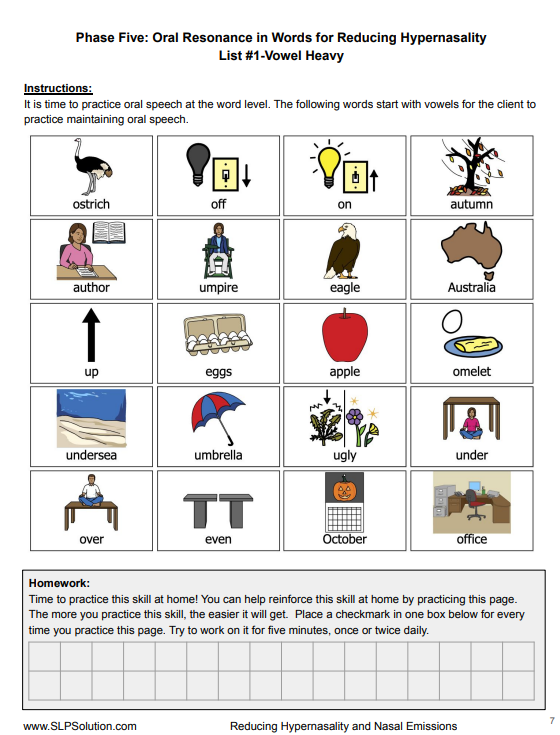
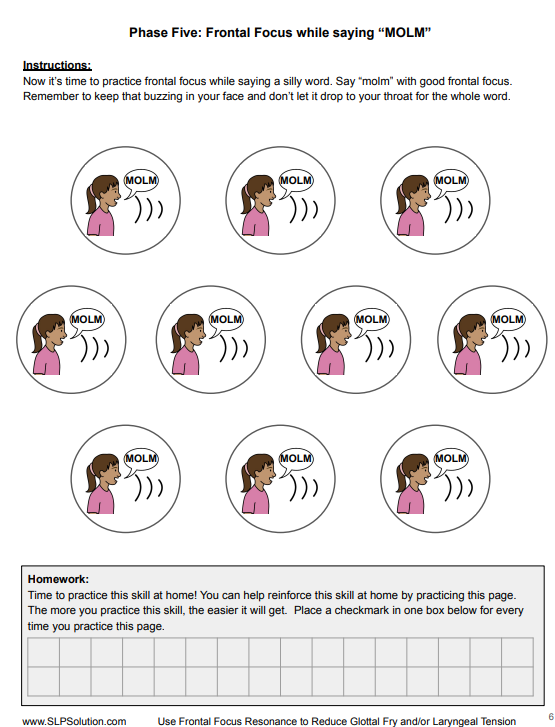
Beyond general vocal health, the new curriculum addresses the complex issue of resonance, specifically targeting hypernasality and hyponasality. Balanced resonance is a critical component of speech clarity, yet it is often one of the more difficult areas for students to master. The resonance curriculum provides a step-by-step methodology to help children and teens develop the oral resonance necessary for clear, natural speech.
The program is structured to guide students through a logical progression: starting with awareness and discrimination, moving into the application of oral resonance in structured speech tasks, and concluding with the generalization of these skills in everyday conversation. While the age ranges for these milestones typically span from five to eight years, the program’s flexibility allows it to be adapted for older students who may still struggle with these specific vocal characteristics. By providing a clear, repetitive, and guided path, clinicians can help students achieve a more balanced sound, thereby improving their overall communication quality and confidence.
Advanced Voice and Prosody Training
The initiative also includes specialized curriculums for broader voice disorders and prosody. The general voice curriculum is designed to assist children who require support with vocal quality, addressing issues like pitch, loudness, and vocal endurance. This curriculum is particularly effective for those dealing with persistent vocal strain, offering lessons that evolve from simple tension reduction to complex control of vocal parameters in various settings.
Simultaneously, the prosody curriculum fills a vital gap in speech development by teaching children how to use pitch, volume, and rate to make their speech more expressive and engaging. Prosody is often overlooked in traditional therapy, yet it is essential for the nuances of human interaction. By teaching students how to attend to prosody in sounds and eventually generalize that control into natural conversation, the program helps children move beyond mere intelligibility to achieve truly expressive, confident communication.
Reducing the Planning Burden for Clinicians
A recurring challenge highlighted by practitioners in the field is the time-intensive nature of creating individualized therapy plans for every student. The launch of these comprehensive curriculums serves as a direct response to this issue. By providing a "roadmap" for therapy, these resources allow speech-language pathologists to spend less time on the logistics of lesson planning and more time on the actual delivery of care.
The developers of these curriculums emphasize that the goal is not to replace the clinician’s expertise but to augment it with a structured, proven framework. Because every child’s communication journey is unique, the modular nature of these programs allows for customization while maintaining the core principles of evidence-based practice. This approach helps ensure that children make faster, more consistent progress, which in turn boosts their motivation and confidence.
A Holistic Approach to Communication
The release of these materials underscores a broader shift in pediatric speech therapy toward holistic, longitudinal care. Rather than treating isolated symptoms, these curriculums encourage a comprehensive view of how a child uses their voice. Whether a student is struggling with the physical strain of vocal misuse or the social challenges of flat, monotone speech, the programs are designed to provide the tools necessary for sustainable improvement.
The integration of these resources into a broader, accessible platform suggests a commitment to making high-quality therapy tools available to a wider range of practitioners. The availability of video demonstrations and additional educational content, such as podcasts and instructional media, further supports this mission. By providing these resources with instant access and a low-barrier entry, the initiative aims to empower clinicians to provide better outcomes for their students without the administrative hurdles that often plague clinical practice.

As these tools gain wider adoption, the hope is that they will serve as a new standard for how voice and resonance issues are addressed in educational and clinical settings. When children and teens are equipped with the ability to speak clearly, comfortably, and with pride in their own voices, the ripple effects are significant—leading to improved academic performance, better social integration, and increased self-esteem.
Ultimately, these curriculums represent more than just a collection of exercises; they are a systematic approach to one of the most fundamental aspects of human interaction. By bridging the gap between theoretical knowledge and practical, daily application, they provide a path for students to overcome communication barriers and unlock their full potential. The structured, evidence-based nature of the program ensures that regardless of the specific challenges a student may face, there is a clear, proven, and supportive framework available to guide them toward success.