






In the complex ecosystem of modern health care, where multidisciplinary teams often juggle competing priorities and specialized clinical tasks, the unique contributions of Occupational Therapists (OTs) can sometimes become obscured. While physicians, nurses, and physical therapists focus on diagnosis, medication management, and mobility, the role of the OT often occupies a distinct, essential space that bridges the gap between clinical survival and the actual, day-to-day quality of a patient’s life. Following a recent exploration into the dynamics of health care teams, it has become increasingly clear that the profession faces a persistent challenge: while OTs provide immense value to patient outcomes, they frequently struggle to articulate that value in a way that resonates with the broader clinical community.
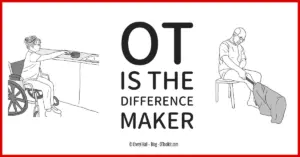
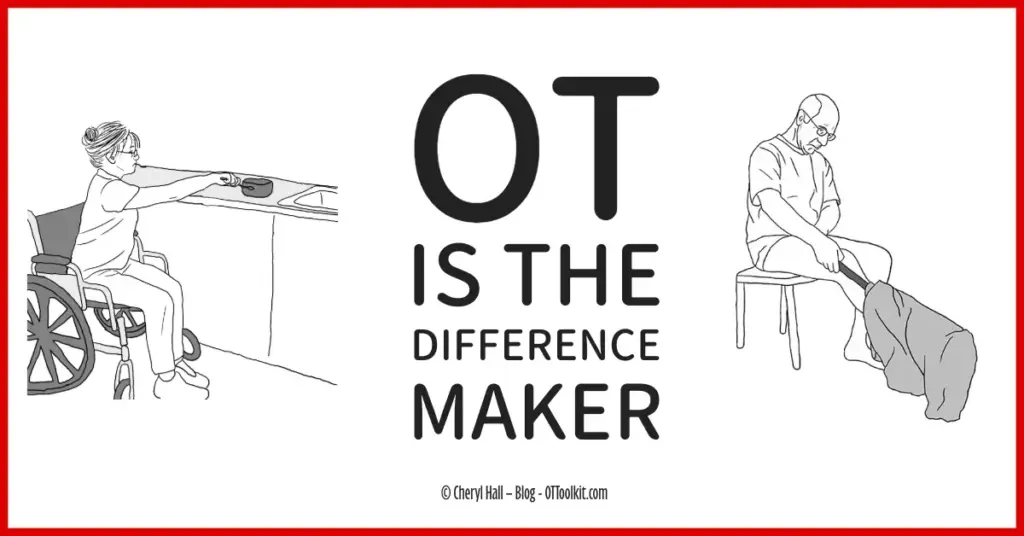
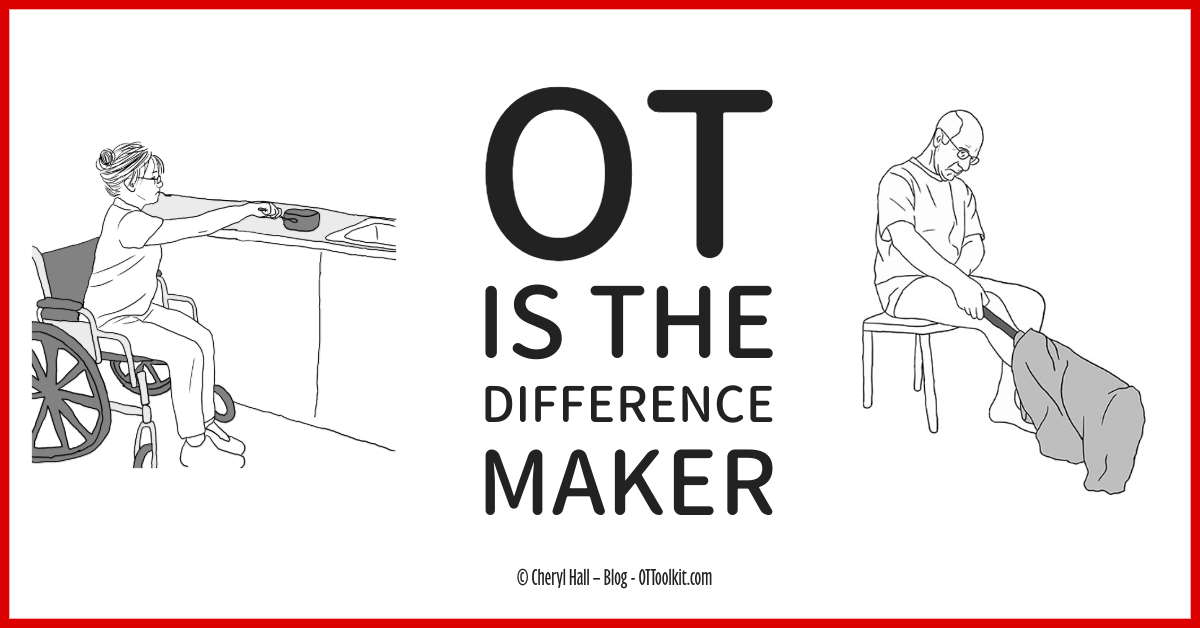
The solution to this communication gap may lie in a fundamental shift in how the profession presents itself. Instead of merely describing tasks or clinical interventions, OTs might consider defining their role as the "difference maker" on the health care team. This is not just a branding exercise; it is a philosophy that hinges on meeting patients exactly where they are in their health care journey and proving—through concrete, lived experience—that the profession addresses the nuanced needs that often fall through the cracks of traditional medical care.
Over the course of a career, certain patient encounters stand out, not necessarily because they involved complex medical procedures or life-saving heroics, but because they represented a fundamental pivot point in a patient’s experience. These are the moments where the OT intervened in a way that no other member of the care team would have considered, turning a sterile clinical environment into a space of human connection, dignity, and autonomy.
One such encounter involved "Paul," a 10-year-old boy suffering from terminal cancer. Paul was confined to a wheelchair, and the weight of his prognosis had caused him to withdraw into a state of profound depression. Despite the efforts of a dedicated medical team, the daily hour of occupational therapy consistently ended on a somber note; the heavy psychological burden of his illness seemed to win the battle every single time. The clinical interventions, while well-intentioned, were failing to reach the child beneath the patient.
In an effort to break this cycle, the decision was made to introduce a simple, functional tool: a reacher-grabber. During a session, while Paul’s mother was in the kitchen washing dishes, she briefly stepped out of the room. The opportunity presented itself, and the grabber was used to quietly retrieve a dish towel. A whispered instruction—"Hide it under the table"—turned the atmosphere of the room instantly. When Paul’s mother returned and began searching for the missing towel, the boy’s demeanor shifted. His eyes lit up, his smile widened, and as his mother began opening drawers in confusion, Paul broke into genuine, uninhibited laughter, waving the towel in the air.
That small act of mischief transformed the remainder of his life. The grabber was left with Paul, and he used it to tease his parents and siblings, reclaiming a sense of playfulness and agency that his illness had attempted to strip away. When his parents reached out after he passed away two weeks later, their gratitude was not focused on his clinical stability, but on the fact that an OT had brought a brief, precious moment of fun and humanity into the final days of their son’s life.
This ability to identify and address the "unspoken" needs of a patient is a hallmark of occupational therapy, extending even to the most personal and sensitive aspects of daily function. In another instance, a patient named "Jack," who suffered from severe and uncontrolled diabetes, faced a significant surgical outcome: the loss of most of his fingers, leaving him with only his thumbs and half of his dominant index finger.
During the rehabilitation process, the focus was initially on adjusting strategies for basic Activities of Daily Living (ADLs). However, it became evident that Jack was struggling with a level of embarrassment that hindered his progress. He was hesitant to ask for help with the most intimate of tasks. When he finally felt comfortable enough to confide in his therapist, he admitted, "The most recent surgery took my nose-picking finger." While this might seem like a trivial or humorous complaint to some, for Jack, it represented a profound loss of autonomy and a source of deep shame.
Recognizing that this was, in fact, a legitimate occupational goal, the OT assessed the patient’s sensation, skin integrity, and circulation in his residual finger. After consulting with the nursing and medical staff to ensure safety, a custom device was constructed using Velcro and splinting material. Through a series of adjustments, the device successfully allowed Jack to regain control over this specific, personal task. By validating Jack’s concern rather than dismissing it, the therapy provided him with a sense of dignity that had been threatened by his physical limitations.
The impact of an OT is perhaps nowhere more visible than in the restoration of independence within a patient’s own home. "Dorothy," a 75-year-old woman living with severe rheumatoid arthritis, serves as a poignant example of how environmental barriers can turn a home into a prison. During a home visit, it was noted that Dorothy would call out for visitors to open the door from the outside rather than opening it herself. Upon inquiry, she revealed a sobering fact: in the ten years she had resided in her apartment, she had never been able to operate the door mechanism. She had resigned herself to living with the door unlocked, relying on neighbors to act as her gatekeepers.
A quick inspection of the door revealed that the magnetic seal was exceptionally strong—a common oversight that rendered the handle impossible for her to turn. By applying masking tape to roughly half of the surface, the resistance was reduced to a level that Dorothy could manage. For the first time in a decade, she was able to open her own front door. To ensure safety and compliance, the apartment manager and the local fire department were consulted, and both confirmed that the modification remained well within the necessary standards for fire protection.
These stories, while varied in their circumstances, share a common thread: they represent needs that were invisible to the rest of the care team, yet vital to the patient’s quality of life. In each case, it was the specific lens of the occupational therapist—one that prioritizes the intersection of function, environment, and human identity—that allowed for a solution.
These examples serve as a reminder that the value of the profession is often found in the "small" things that are actually the "big" things to the people receiving care. As the health care landscape continues to evolve, practitioners are encouraged to hold onto these stories. The next time a multidisciplinary team needs a reminder of what occupational therapy contributes, these narratives of empowerment, dignity, and independence are the strongest tools available to articulate the true, lasting difference that an OT makes.