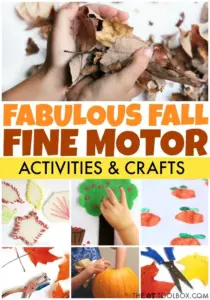









As the crisp autumn air arrives and autumn foliage transitions into vibrant shades of red and gold, educators and pediatric occupational therapists are increasingly turning to seasonal themes to support childhood development. Utilizing familiar fall elements—such as apples, pumpkins, leaves, acorns, and farm-harvest motifs—professionals are finding that seasonal materials provide an engaging framework for targeting specific developmental needs. Rather than selecting seasonal activities purely for festive entertainment, modern pediatric therapy emphasizes aligning these sensory-rich experiences with targeted fine motor goals, hand strengthening, dexterity training, and visual-motor integration.
Child development experts note that autumn offers a natural abundance of textures and objects that naturally encourage manipulation. From crunching autumn leaves underfoot to sorting pumpkin seeds or pressing tactile play dough, these seasonal interactions help children build the foundational muscle tone and coordination required for everyday tasks, such as writing, cutting with scissors, managing clothing fasteners, and opening containers.
Targeting Essential Hand Strength Through Seasonal Play
Hand strength is a fundamental prerequisite for many daily academic and self-care activities. Weakness in the intrinsic muscles of the hand can make tasks like writing, coloring, or using utensils frustrating for young children. To combat this, therapists utilize resistive materials that challenge the hand muscles without feeling like formal work.
Apple-themed geoboards have emerged as a popular tool in clinical and educational settings. By stretching thick rubber bands across the pegs of a geoboard to replicate apple outlines, children encounter natural resistance that strengthens both fingers and hands. This process requires controlled release and precision, engaging bilateral coordination and visual-motor planning simultaneously. Depending on a child’s developmental level, practitioners can easily adjust the difficulty by swapping in thicker, more resistant bands or simplifying the visual patterns.
Play dough similarly remains a cornerstone of pediatric therapy regardless of the season. Rolling, squeezing, pinching, and pressing soft dough provides both proprioceptive sensory feedback and essential resistance for arch development and wrist stability. Therapists often enhance the seasonal appeal by hiding miniature autumn erasers, colorful beads, or tiny leaves inside the dough, or by pairing the material with fall-themed shape cards.
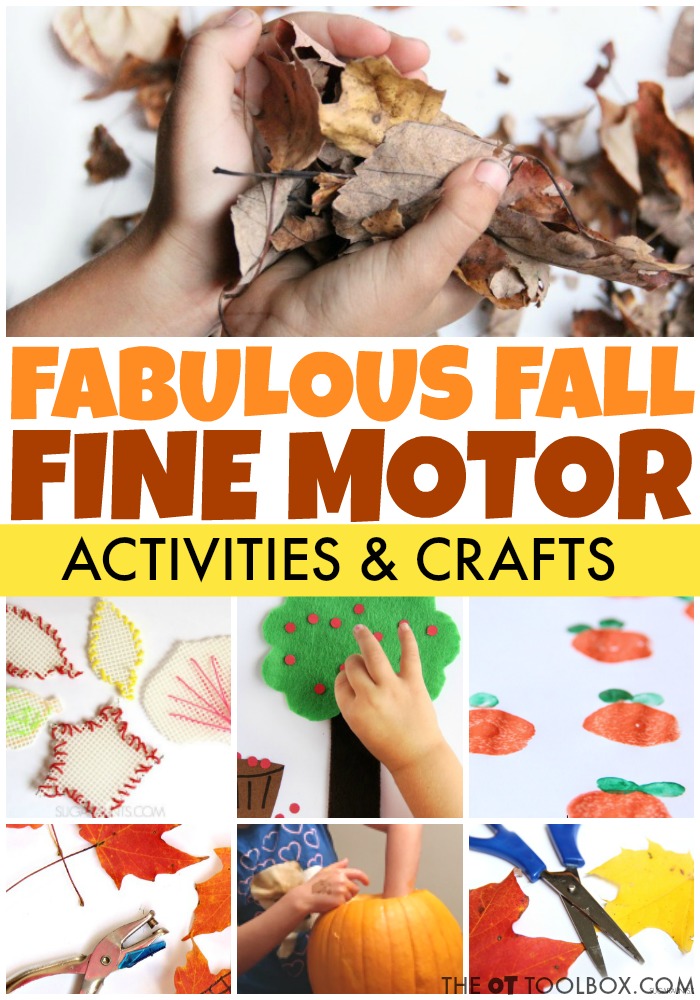
Another effective method for building sustained hand force involves traditional hole punches. By having children punch decorative holes along the perimeter of printed apple shapes or genuine fall leaves, therapists can observe and encourage the sustained grip strength required for effective tool use. Furthermore, gathering fallen leaves to crush them provides an auditively satisfying sensory experience that promotes bilateral coordination, crossing the midline, and grasp strength.
Enhancing Manual Dexterity and Finger Precision
While hand strength provides the underlying power, manual dexterity relies on speed, precision, and the coordinated movement of individual fingers. Activities that incorporate small manipulatives—such as craft pom-poms, seeds, paper clips, and small craft items—transform routine play into valuable fine motor practice.
Fall-themed sorting and counting tasks frequently utilize these small items to encourage precise fingertip manipulation rather than whole-hand grasping. For instance, apple-themed counting cards paired with standard paper clips require children to coordinate both hands, using one hand to stabilize the card while the other precisely opens and positions the clip. This exercise targets fingertip precision, eye-hand coordination, and foundational number concepts.
Similarly, transferring fall-colored pom-poms into ice cube trays or muffin tins using tongs or child-safe tweezers challenges children to refine their pincer grasps. Therapists can grade these activities up or down by altering the size of the pom-poms or changing the resistance of the pickup tools. Other natural items, such as sunflower seeds and pumpkin seeds, offer similar opportunities for pincer grasp development and in-hand manipulation. When pumpkin seeds are cleaned, dyed with liquid watercolors, and utilized for sorting or sensory play, children actively practice scooping, dropping, and pinching while refining their motor control.
Fostering Scissor and Visual-Motor Integration Skills
Scissor cutting is a complex bilateral task that requires both hands to perform distinctly different jobs simultaneously. While the dominant hand opens and closes the scissors, the non-dominant helper hand must stabilize, rotate, and guide the paper along a visual path. Seasonal cutting practice pages featuring apple outlines, farm elements, or geometric pathways provide structured practice for developing these competencies.
Beyond paper, actual autumn leaves serve as a dynamic medium for scissor skill development. Allowing children to snip colorful foliage into small pieces or cut along drawn lines introduces natural variations in texture and resistance. Once cut, these leaf pieces can be incorporated into seasonal art projects, reinforcing visual-spatial awareness and direction-following skills through cut-and-paste activities.
Visual-motor integration is another critical domain addressed through autumn programming. Even when a child possesses adequate hand strength and finger dexterity, difficulties may arise when they must translate visual information into coordinated hand movements—such as copying a drawing, following a line, or locating a target. Directed drawing exercises featuring pumpkins, acorns, and leaves require children to analyze a model, determine spatial relationships, and reproduce lines with a pencil or crayon.
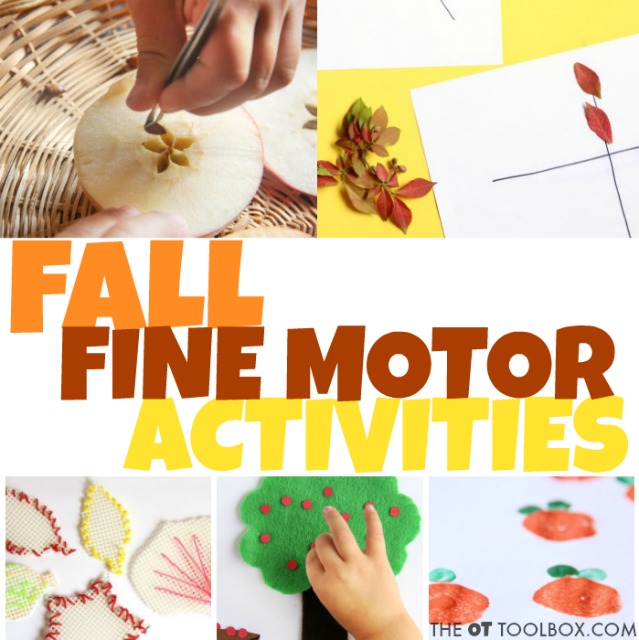
Pattern blocks and seasonal "I Spy" seek-and-find puzzles further support visual discrimination and sustained visual attention. When children scan a complex visual field and mark their findings using clothespins, small manipulatives, or a physical cutout viewing frame, they seamlessly integrate visual processing with fine motor control.
Meaningful Handwriting Practice Within Seasonal Themes
Handwriting development is most effective when integrated into meaningful communication tasks rather than isolated drill practice. Autumn-themed writing prompts offer a flexible framework that educators and therapists can adapt across varying developmental stages within the same classroom or clinic.
Emerging writers can focus on single fall-related vocabulary words, while beginning writers construct simple sentences. More advanced or older students can use the prompts to plan and draft short paragraphs focusing on specific mechanics such as line awareness, letter spacing, sizing, formation, and overall writing endurance.
As educators and therapists plan seasonal programming, the emphasis remains on blending purposeful skill development with accessible, engaging materials. By utilizing everyday natural items found in the yard alongside structured professional resources, practitioners can continue to support foundational motor development through the dynamic experiences of the autumn season.