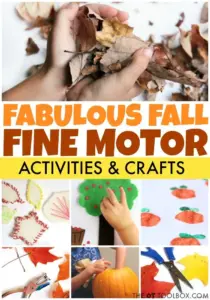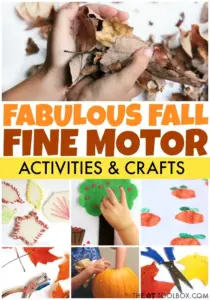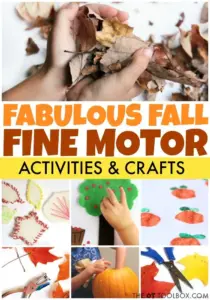









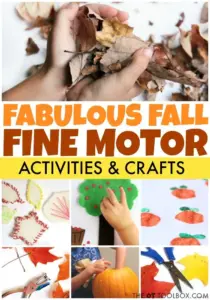
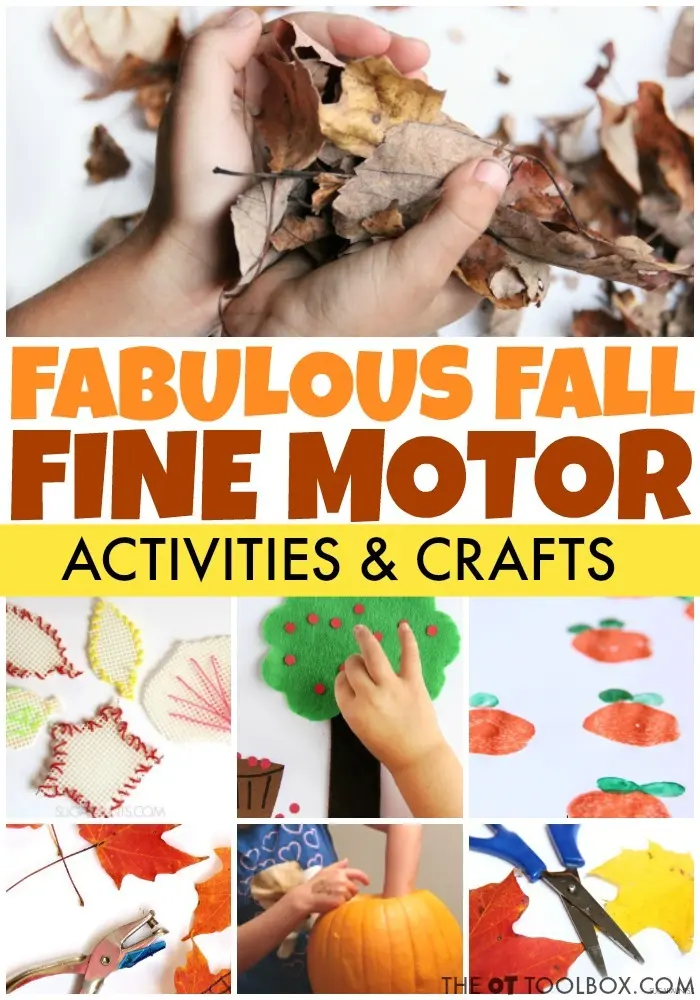
As the crisp autumn air arrives and seasonal motifs like falling leaves, pumpkins, and apples fill classrooms and homes, pediatric occupational therapists are leveraging these natural elements to support essential developmental milestones in children. Rather than selecting seasonal crafts purely for festive engagement, educators and therapists are increasingly turning to structured autumn themes to target specific foundational challenges, including hand strength, finger dexterity, scissor proficiency, visual-motor integration, and handwriting development.
Experts note that seasonal materials offer an organic bridge between play-based learning and clinical intervention. The changing landscape provides a rich variety of textures, resistances, and visual cues that can be adapted to meet a wide range of individual therapy goals. From strengthening the intrinsic muscles of the hand using resistive play dough to improving bilateral coordination through leaf-cutting exercises, autumn-themed strategies provide versatile tools for children of varying developmental stages, toddlers, preschoolers, and older students alike.
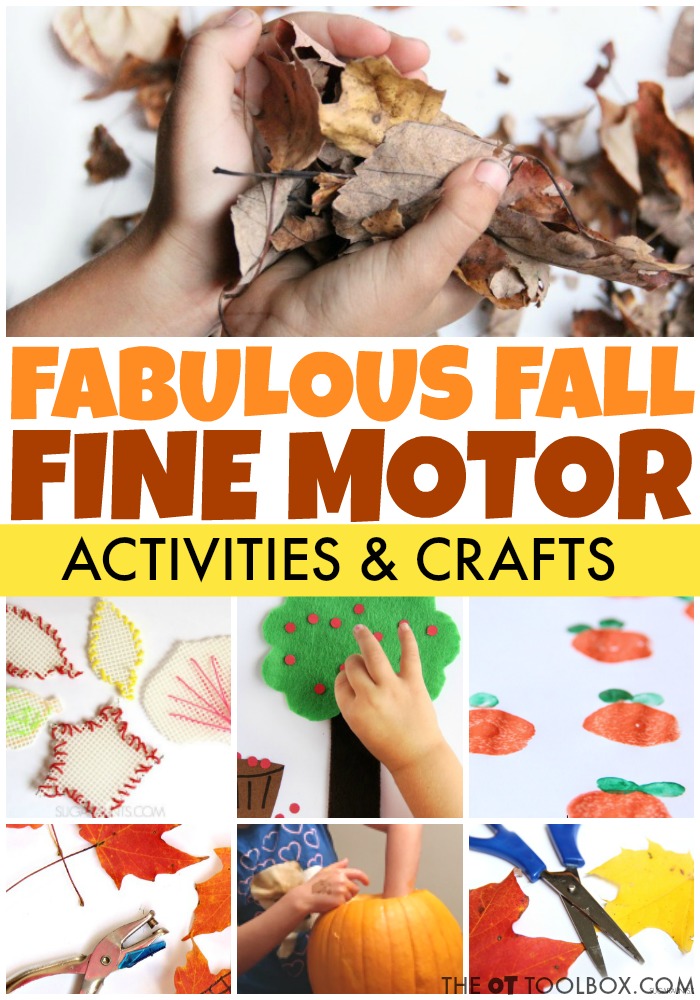
A central focus of these seasonal interventions is hand and finger strengthening, which serves as a vital precursor for functional daily tasks such as buttoning clothing, managing fasteners, and maintaining an efficient pencil grasp. For instance, apple-themed geoboards require children to stretch and position rubber bands across wooden pegs, introducing controlled resistance and precision release to developing fingers. Similarly, traditional activities involving pliable materials like scented play dough encourage rolling, squeezing, and pinching, delivering both proprioceptive sensory feedback and essential grip-strengthening exercises disguised as play.
Manual dexterity—the ability to coordinate precise, rapid movements using the small muscles of the hands—is another primary target addressed through autumn manipulatives. Occupational therapy practitioners frequently utilize craft pom-poms, seeds, and miniature seasonal erasers to promote fine fingertip manipulation. Activities such as attaching paper clips to numbered apple cards or using tongs to transfer colored pom-poms into partitioned trays help refine hand-eye coordination and encourage isolated finger movements. These tasks require the simultaneous stabilization of objects with one hand while the other executes precise adjustments, fostering bilateral integration.
Scissor skills and visual-motor coordination also receive a seasonal boost as children navigate cutting practice pages featuring apple outlines, farm motifs, and foliage. Cutting tasks inherently demand bimanual coordination, requiring the dominant hand to open and close the scissors while the non-dominant helper hand stabilizes, rotates, and guides the paper. Therapists observing these activities note how children manage the physical path, evaluating their grip, posture, and line awareness. When fresh leaves are available, children can snip and shape the foliage into fine pieces, further blending sensory exploration with bilateral control.
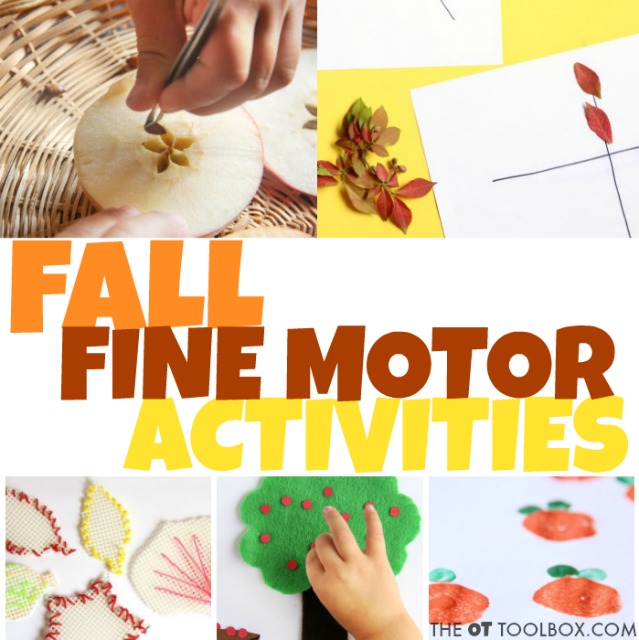
Beyond physical strength and manipulation, many autumn-themed activities address the complex visual-motor components necessary for academic success. Children frequently struggle not with physical hand weakness, but with coordinating visual input with motor output—such as copying a design, following a structured line, or locating a visual target. Fall-themed directed drawing exercises, pattern block arrangements, and seek-and-find visual scanning pages help bridge this gap. By observing a model of an acorn or pumpkin and reproducing its spatial relationships on paper, children enhance their visual discrimination, figure-ground perception, and sustained attention.
Handwriting interventions similarly benefit from contextual integration. Rather than requiring children to practice isolated letters through repetitive drills, therapists utilize seasonal writing prompts tailored to different developmental tiers. Emerging writers can practice single vocabulary words, while beginning and developing writers compose complete sentences or short paragraphs responding to autumn themes. This approach allows practitioners to address specific handwriting components—such as line awareness, letter spacing, formation, and physical endurance—within a meaningful narrative framework.
For practitioners and educators seeking ready-to-use resources, comprehensive toolkits such as those provided by professional platforms like The OT Toolbox offer structured materials designed to target these diverse developmental areas. By combining seasonal sensory engagement with targeted occupational therapy principles, professionals continue to find innovative ways to prepare children for the complex motor demands of daily life.