









WASHINGTON, DC — ZERO TO THREE, the nation’s leading early childhood development nonprofit dedicated to ensuring that all infants and toddlers have a strong start in life, has expressed strong encouragement following the release of President Joe Biden’s proposed fiscal year 2025 budget. The organization highlighted that the federal spending plan includes essential and much-needed funding for programs designed to build a solid foundation for young children and families across the United States.
According to leadership at ZERO TO THREE, the comprehensive federal budget proposal addresses a wide array of critical developmental needs during the most formative years of human life. The organization has consistently advocated for federal policies that prioritize infants and toddlers, emphasizing that early investments yield long-term societal and economic benefits.
“If implemented, President Biden’s budget released today will make our nation a better and fairer nation to have and raise a baby,” said Miriam Calderón, Chief Policy Officer at ZERO TO THREE.

Calderón noted that the organization has persistently urged Congress and the Administration to center the needs of babies and their families around five key areas: maternal health, infant and early childhood mental health, child care, housing, and economic security. These five pillars represent the core framework of the organization’s advocacy efforts, as outlined in their ongoing initiative, the "State of Babies" campaign, which tracks the well-being of infants and toddlers across every state in the nation.
The release of the fiscal year 2025 budget follows closely on the heels of the President’s State of the Union address, during which the Administration outlined a broad vision for supporting American families.
“In last week’s State of the Union address, the President laid out a path toward a future where families are empowered and have choices about their baby’s future,” Calderón added. “This proposed budget expands on this vision with proposals that address all facets of young children’s development.”

The President’s budget puts forward targeted federal investments designed to support infants, toddlers, and their caregivers by addressing systemic challenges that impact early childhood development. By focusing federal resources on programs that directly affect young families, the budget seeks to alleviate financial pressures on parents while simultaneously bolstering the infrastructure of early childhood care and education systems nationwide.
ZERO TO THREE points out that federal budget proposals serve as a crucial blueprint for national priorities, reflecting the administration’s commitment to the youngest members of society. Infant and toddler development experts have long argued that the earliest months and years of life represent a critical window of rapid brain development that lays the groundwork for all future learning, behavior, and health. Consequently, investments in programs that support maternal health, stable housing, reliable child care, and mental health services are viewed not merely as social support, but as foundational economic and public health investments.
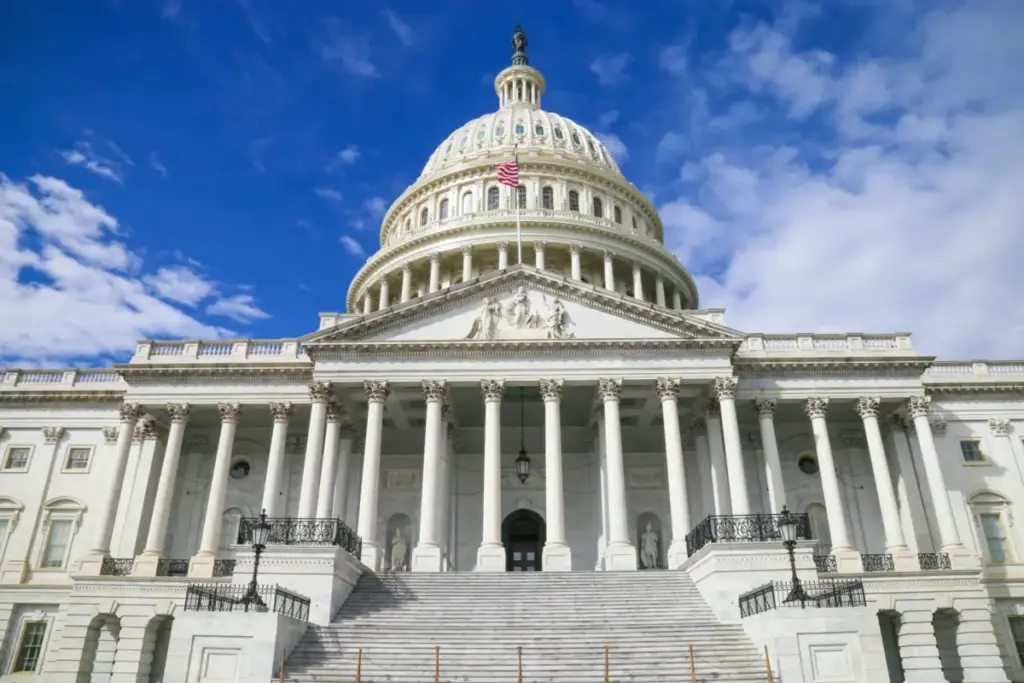
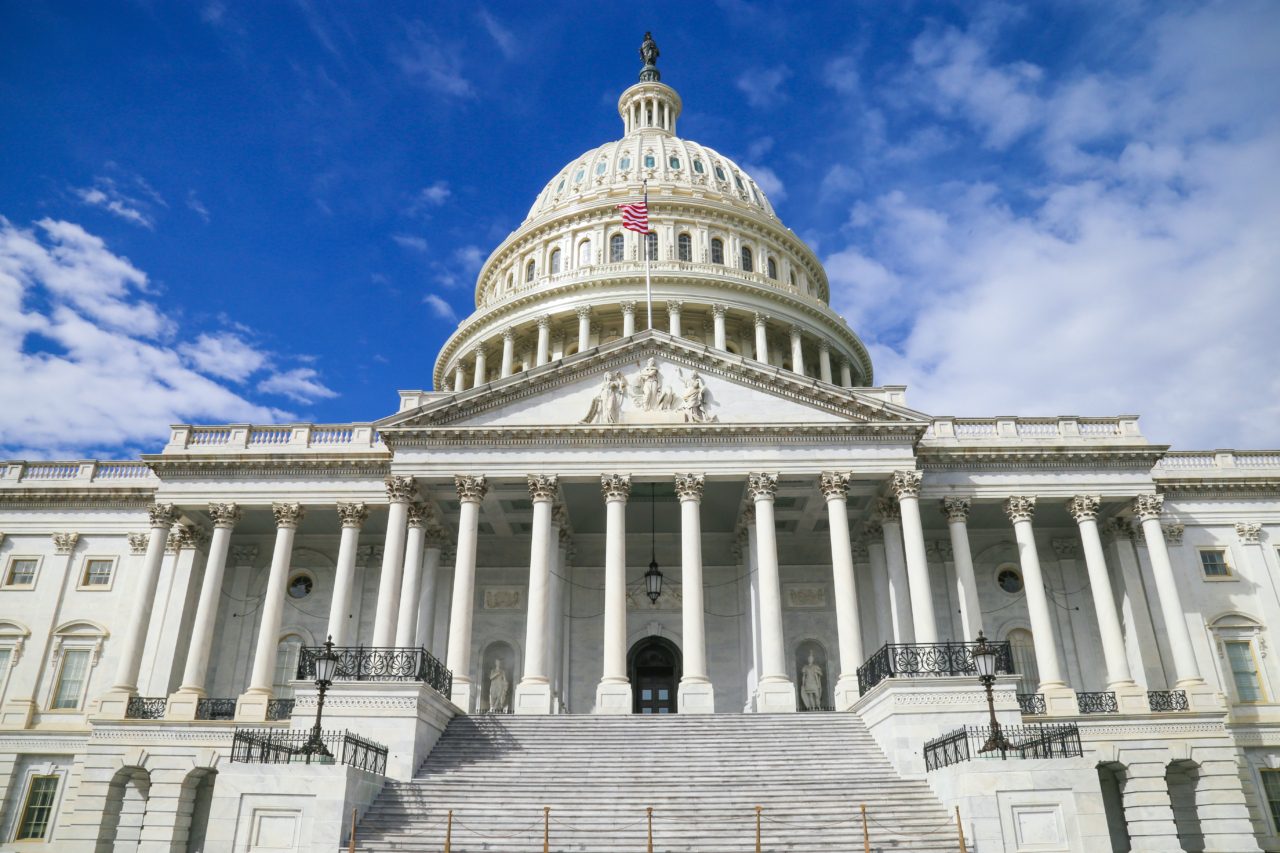
As the federal budget process moves forward, the attention now shifts to Capitol Hill, where lawmakers will debate, modify, and vote on the funding levels for various federal agencies and programs. The path from a presidential budget proposal to enacted legislation requires extensive negotiation and bipartisan cooperation among congressional appropriators.

Emphasizing the vital role of the legislative branch in turning these proposals into law, Calderón called upon federal lawmakers to take decisive action on behalf of the nation’s youngest citizens.
“Now, Congress must work with the Administration to deliver for families and babies,” Calderón said. “We look forward to working with Congressional appropriators and our baby champions on the Hill to make these bold proposals a reality.”
Stakeholders across the early childhood sector are expected to closely monitor the appropriations process in the coming months, advocating for the preservation and enhancement of funding streams that directly benefit infants, toddlers, and their families. With the formal introduction of the fiscal year 2025 budget, the national conversation surrounding early childhood support, maternal care, and family economic security enters a critical legislative phase.