








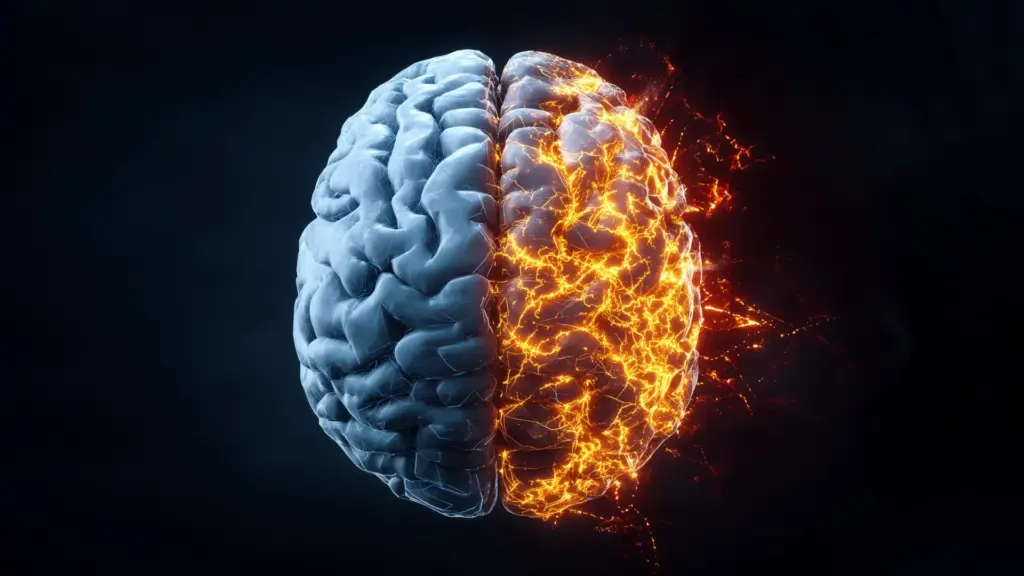
In a significant advancement for neurobiology, researchers at the University of Birmingham have unveiled a potential breakthrough in the treatment of chronic brain inflammation. By identifying a specific receptor that acts as a primary driver for neuroinflammatory processes, the team has paved the way for repurposing existing pharmaceutical agents to treat a wide array of debilitating neurological and psychiatric conditions.
The study, published in the journal Brain and led by Professor Nicholas Barnes of the University of Birmingham’s College of Medicine and Health, focuses on the P2X7 receptor. The research demonstrates that when this receptor is selectively blocked, inflammation in human brain tissue can be significantly curtailed. This finding offers a promising new avenue for therapeutic intervention in conditions ranging from Alzheimer’s and Parkinson’s disease to traumatic brain injury (TBI), depression, and psychosis—all of which are increasingly understood to be rooted in, or exacerbated by, persistent neuroinflammation.
Blocking a Key Driver of Brain Inflammation
For years, the scientific community has sought to understand the complex molecular signals that govern the brain’s inflammatory response. While inflammation is a natural and necessary defense mechanism, when it becomes chronic or dysregulated, it can lead to severe tissue damage and cognitive decline. The P2X7 receptor has long been a subject of interest, but the Birmingham team’s work provides a clearer understanding of its specific role in triggering inflammatory signaling cascades within the human brain.
To conduct their investigation, the researchers employed a two-pronged experimental approach. They utilized live cultures of human brain cells alongside slices of actual human brain tissue, which were collected during necessary neurosurgical procedures. This allowed the team to observe the P2X7 receptor in a clinical context rather than relying solely on animal models, which often fail to replicate the nuances of human neurological disease.
The research team identified that P2X7 receptors are instrumental in promoting the release of cytokines—the specialized proteins that regulate the body’s inflammatory responses. In an inflamed state, these proteins create a feedback loop that sustains cellular damage. By applying a specific antagonist—a drug designed to block the receptor—the researchers were able to witness a significant reduction in the inflammatory response within the human tissue.
"This exciting discovery marks a major step toward repurposing existing therapeutics to combat neuroinflammation at its source," Professor Barnes noted. "The identification of this receptor could have far-reaching implications for some of the most debilitating and widespread brain disorders, such as Alzheimer’s Disease, Parkinson’s, and Multiple Sclerosis, or inflammation-linked psychiatric conditions like schizophrenia and depression."
Studying the Brain’s Immune Cells
A central challenge in this research was the study of microglia. Microglia are the resident immune cells of the central nervous system, acting as the brain’s first line of defense. They are responsible for coordinating the brain’s response to injury, infection, and inflammation. However, studying these cells has historically been difficult because, once extracted from the human brain, microglia rapidly lose their defining characteristics and functional behaviors, likely due to the lack of the complex regulatory signals present in the natural brain environment.
To overcome this hurdle, Professor Barnes and his team developed an innovative methodology for converting human peripheral monocytes—a type of white blood cell—into microglia-like cells. This cellular transformation is particularly noteworthy because it mirrors a biological process that has recently been identified as occurring naturally in the human brain during the aging process.
By utilizing these monocyte-derived microglia, the researchers created a robust, scalable, and virtually unlimited platform for studying human microglial biology with a level of precision that was previously unattainable. "Studying human microglia has long been a major challenge," Professor Barnes explained. "Our approach involved the use of monocyte-derived microglia, which provide a powerful, scalable, and virtually unlimited platform for studying human microglial biology with unprecedented precision."
Once these cells were developed, the team observed how they reacted to inflammatory signals. They found that as these cells became damaged and began to die, they released specific signals that triggered further inflammation. By applying the P2X7 receptor antagonist, the researchers were able to successfully interfere with this signaling pathway, effectively dampening the inflammatory cycle. This successful manipulation of microglial behavior in the lab served as a vital precursor to testing the theory on actual human brain tissue.
From Lab Models to Human Brain Tissue
The true test of any neurological discovery lies in its ability to be translated from controlled laboratory environments to human physiology. After confirming the effectiveness of the P2X7 blockade in their lab-grown microglia models, the researchers transitioned to examining human brain tissue obtained from neurosurgical procedures.
The results were consistent with their earlier findings, confirming that the inflammatory response could be significantly reduced in human tissue samples. This validation is a critical milestone, as it bridges the gap between basic cellular research and potential clinical application. The ability to achieve these results in human tissue strengthens the case for moving toward human clinical trials, particularly for patients suffering from conditions where traditional pharmacological options have failed or are currently non-existent.
The implications for traumatic brain injury (TBI) are especially compelling. TBI is a condition characterized by a sudden, intense surge of neuroinflammation that can result in long-term neurological damage. Current treatments for TBI are largely supportive, focusing on managing symptoms rather than addressing the underlying inflammatory pathology. If an existing drug targeting the P2X7 receptor could be repurposed to mitigate this inflammatory surge, it could potentially preserve brain tissue and significantly improve patient outcomes following a head injury.
Professor Barnes remains optimistic about the path forward. "Having identified the response in the human monocyte-derived microglia, this provided the impetus to translate these findings with human brain obtained following neurosurgical procedures," he stated. "This successful translation means the next stage for this research is the development of clinical trials in patients with neurodegenerative conditions and patients with TBI where there are no effective pharmacological treatments to reduce the neuroinflammation and arising damage."
As the scientific community looks toward the next steps, the focus will likely shift to safety profiles and dosing, as well as identifying which patient populations might benefit most from this targeted intervention. Because the P2X7 receptor is already a target for some existing drugs, the timeline for potential clinical trials may be accelerated compared to the development of entirely new, experimental compounds.
This research highlights the power of combining modern cell-engineering techniques with the study of human clinical tissue. By focusing on the mechanisms that drive inflammation rather than just the symptoms of the disease, the University of Birmingham team has opened a door to a new era of neuro-immunology. While there is still significant work to be done before these findings reach the bedside, the study offers a tangible glimmer of hope for millions of people worldwide living with the devastating effects of chronic brain inflammation. The ability to repurpose existing therapies to tackle these complex conditions represents a pragmatic, efficient, and highly promising strategy for the future of neurological medicine.