








By Michelle Diament | October 16, 2026
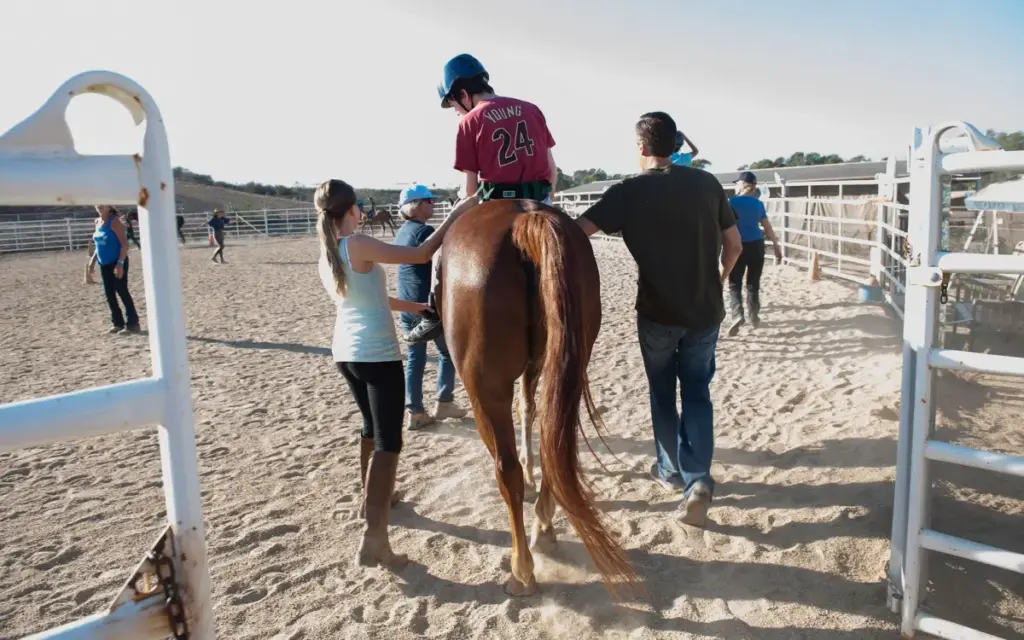
Riding horses or simply spending meaningful time around these gentle animals can make a profound, measurable difference for children on the autism spectrum, helping to significantly reduce hyperactivity and enhance vital social skills, according to compelling new research.
In a rigorous study involving 236 children diagnosed with autism and co-occurring psychiatric conditions, researchers discovered that active participation in either a structured therapeutic horseback riding program or grounded barn-based activities brought about clear and meaningful behavioral benefits. The findings offer fresh insights into how animal-assisted interventions can complement traditional clinical therapies for youth with neurodevelopmental and psychiatric challenges.

The study, which sheds light on alternative and complementary therapies, evaluated children ranging in age from 6 to 16 years old. Participants were divided into distinct groups to measure the precise impact of varying levels of interaction with horses and the stable environment. Some of the children were assigned to receive therapeutic horseback riding lessons once a week for a duration of 10 weeks. Others were placed into a barn activity group where they spent time observing and interacting with the environment around horses, but did not actually mount or ride them. A third cohort served as a control group, experiencing a waiting period before participating in barn activities for five weeks, followed by five weeks of direct riding lessons.
When researchers analyzed the behavioral data, published this month in the prominent medical journal Pediatrics, they found that both the active riding program and the ground-based barn activities led to significant, notable drops in common challenges such as irritability and hyperactivity. Beyond these reductions, the children also exhibited positive improvements in emotional regulation and broader social behaviors, pointing to the powerful therapeutic potential of farm and equine environments.
However, a closer look at the data revealed a distinct advantage for those children who physically mounted and rode the animals. The greatest and most profound impact on hyperactivity specifically was observed among the children in the riding group, highlighting a unique physiological and psychological benefit inherent to horseback riding.
“There is something about riding a horse that is particularly helpful for kids with hyperactivity,” explained Robin Gabriels, a professor of psychiatry at the University of Colorado who led the comprehensive research study.
The movement of a horse provides a complex array of sensory inputs, requiring riders to constantly adjust their balance, posture, and attention in sync with the animal. This dynamic physical engagement appears to ground hyperactive children in ways that stationary classroom environments or traditional office settings often struggle to achieve.
While researchers emphasized that horseback riding is not a universal solution and may not be the ideal fit for every single child with autism, their findings strongly suggest that equine therapy serves as a highly effective way to supplement existing medical, behavioral, and educational treatments. Traditional clinical interventions are invaluable, but they often take place within sterile, indoor environments where practicing real-world social cues, physical coordination, and emotional regulation can feel abstract to a child.
“Working with horses gives these kids a chance to do something active, social, and engaging,” Gabriels said, noting the unique ecosystem of a therapeutic riding center. “For some children, that may be a particularly effective way to help them develop skills that can be difficult to teach in a traditional clinical environment.”
The study adds to a growing body of scientific literature exploring the intersection of animal-assisted therapy and pediatric mental health. As families, clinicians, and educators continuously search for holistic approaches to improve the quality of life for children with developmental disabilities, findings like those published in Pediatrics provide empirical backing for programs that have long been championed by therapeutic riding centers and community advocates nationwide.