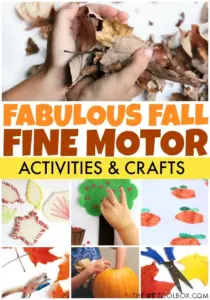

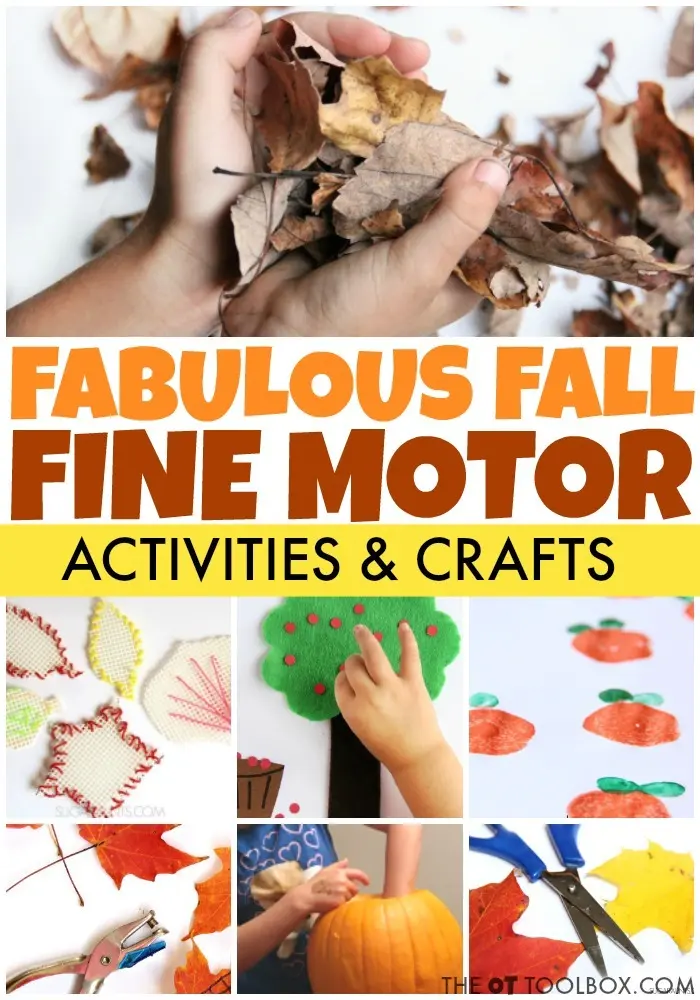
As the crisp autumn air settles in and the landscape transforms with vibrant shades of red, orange, and gold, educators, occupational therapists, and parents are leveraging seasonal changes to support childhood development. Rather than choosing fall crafts and play ideas simply for their festive appeal, specialists are utilizing materials like apples, leaves, pumpkins, acorns, and farm themes to systematically target essential fine motor needs in children, from toddlers to early elementary students.
Experts emphasize that seasonal transitions provide a natural bridge to developmental milestones. The shift in seasons brings an abundance of tactile materials that can be intentionally integrated into therapeutic settings and classrooms. By using themes centered around the harvest season, professionals can effectively address specific functional areas such as hand strength, finger dexterity, scissor skills, visual-motor integration, and handwriting without making the exercises feel like clinical work.
Targeting Hand Strength Through Seasonal Play
Hand strength is a fundamental prerequisite for many daily tasks, including writing, managing clothing fasteners like buttons and zippers, and opening containers. Specialists report that weak hand muscles can significantly hinder a child’s academic and self-care independence. To combat this, therapists are implementing resistive activities using familiar autumn items.
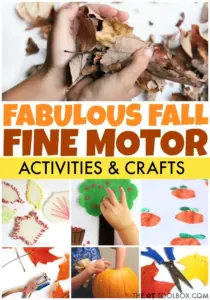
One popular approach involves apple geoboards, where children stretch rubber bands across pegs to recreate specific apple designs. The physical act of pulling and positioning the bands provides essential resistance to the small muscles of the fingers and hands, while also demanding precision and controlled release. Therapists often adapt these exercises by utilizing thicker or more resistant bands for advanced hand strengthening, or by simplifying visual patterns when spatial demands prove too challenging.
Play dough remains a cornerstone of pediatric occupational therapy regardless of the calendar, but autumn themes add a fresh layer of engagement. Rolling, squeezing, pinching, and pressing soft dough builds intrinsic hand strength while offering proprioceptive sensory feedback. Therapists frequently incorporate seasonal objects—such as miniature leaves, plastic acorns, or colored beads—into the dough for children to unearth, simultaneously encouraging pincer grasps, tripod positioning, and wrist stability.
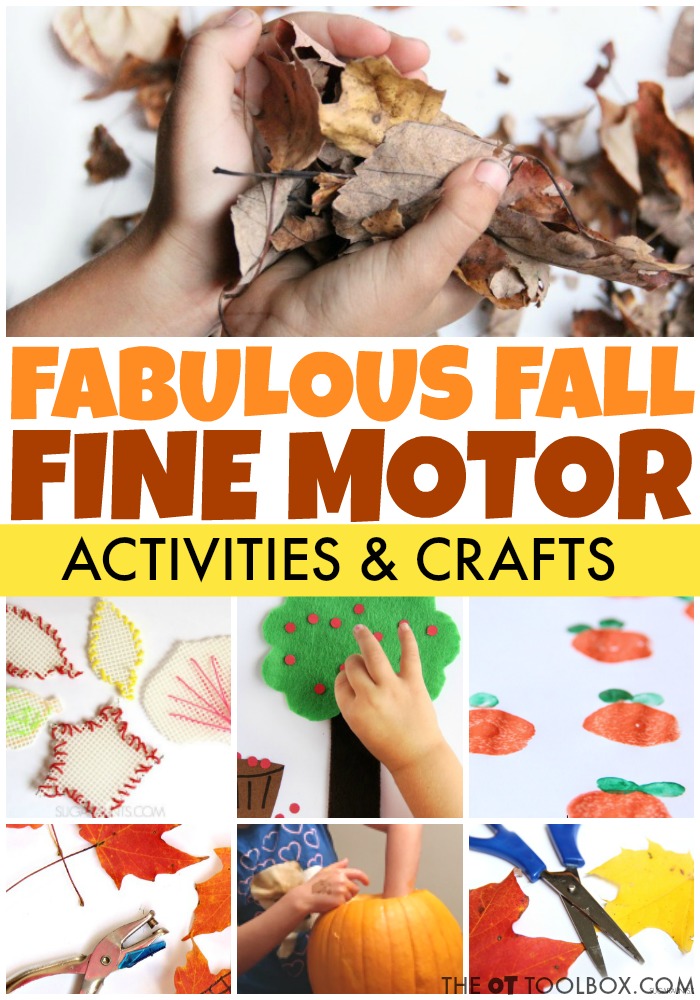
Similarly, structured hole-punching activities utilizing printed apple or leaf outlines require sustained hand force. Operating a traditional hand-held hole puncher builds gross grasp strength while requiring visual-motor coordination as children carefully navigate the perimeter of the paper shapes.
Fostering Finger Dexterity and Coordination
Manual dexterity involves using the fingers efficiently for small, precise movements, requiring a complex interplay of speed, precision, strength, and visual-motor control. When these systems falter, children often struggle with everyday manipulation tasks. Fall-themed manipulatives—including craft pom-poms, seeds, paper clips, and small craft materials—turn basic seasonal sorting into targeted dexterity exercises.
Tree-themed geoboard printables, for instance, encourage children to manipulate rubber bands around individual pegs using their fingertips rather than grasping with the whole hand. This precise fingertip control refines in-hand manipulation skills. In a similar vein, apple-themed counting cards paired with standard paper clips require children to attach specific quantities to laminated sheets. Opening and positioning paper clips demands exact fingertip force and bilateral hand coordination, as one hand stabilizes the card while the other manipulates the metal fastener.
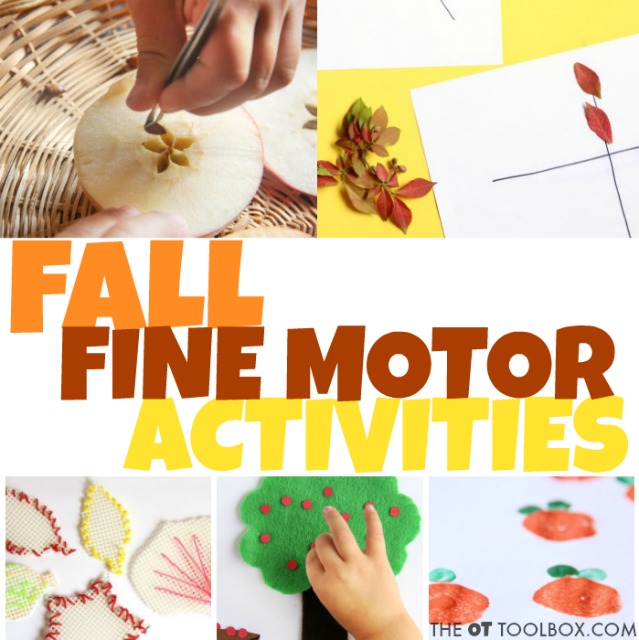
Transfer tasks utilizing autumn-colored pom-poms and fine motor tools like tongs or tweezers further enhance pincer strength and eye-hand coordination. By varying the size of the pom-poms or changing the grabbing tools, specialists can easily scale the difficulty to match a child’s developmental level.
Developing Scissor Skills and Bilateral Integration
Cutting with scissors is a notoriously complex task that requires the two hands to perform entirely different jobs simultaneously. While the dominant hand opens and closes the scissors, the non-dominant helper hand must stabilize, rotate, and guide the paper.
Autumn provides unique opportunities to practice these mechanics. Specialized cutting practice pages featuring apples and farm-themed illustrations allow children to follow visual paths and lines. Beyond manufactured printables, therapists frequently incorporate real fall leaves into cutting sessions. Allowing children to snip real leaves into small pieces or cut around natural edges engages multiple senses, incorporating auditory feedback and tactile exploration into traditional cutting practice.
More complex tasks, such as cut-and-paste seasonal crafts, elevate the cognitive and motor demands further. Children must not only cut out shapes but also visually determine where pieces belong, orient them correctly, follow an assembly sequence, and apply glue. This multi-step process successfully integrates scissor skills with bilateral coordination, visual-spatial awareness, and executive functioning.
Bridging Visual-Motor Integration and Handwriting
A child may possess adequate hand strength and finger dexterity, yet still encounter difficulties when a task requires them to copy a design, follow a line, or coordinate visual input with hand movement. Visual-motor skills are critical for academic success, particularly in written communication.
To address these needs, educators and therapists utilize fall-themed directed drawing exercises. Copying illustrations of acorns, leaves, and pumpkins requires children to observe a visual model, plan pencil movements, determine where lines begin and end, and reproduce spatial relationships. Pattern block designs and seek-and-find visual scanning pages further reinforce visual discrimination, spatial awareness, and sustained attention, particularly when paired with a fine motor marking tool like a clothespin or small manipulative.
Handwriting development is similarly supported through contextual writing prompts rather than isolated drill practice. Seasonal writing prompt cards allow professionals to tailor handwriting tasks to diverse skill levels within a single group. Emerging writers may focus on forming a single autumn word, while beginning writers construct sentences, developing writers respond to short prompts, and older students plan and draft paragraphs. This method addresses specific handwriting components, such as line awareness, letter spacing, sizing, and endurance, within a meaningful thematic framework.
As professionals prepare for seasonal therapy sessions and classroom instruction, ready-to-use resources continue to offer structured support. By integrating purposeful autumn activities into daily routines, educators and therapists provide children with engaging, hands-on opportunities to build the foundational motor skills necessary for long-term academic and functional success.