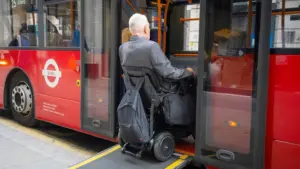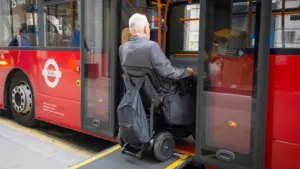








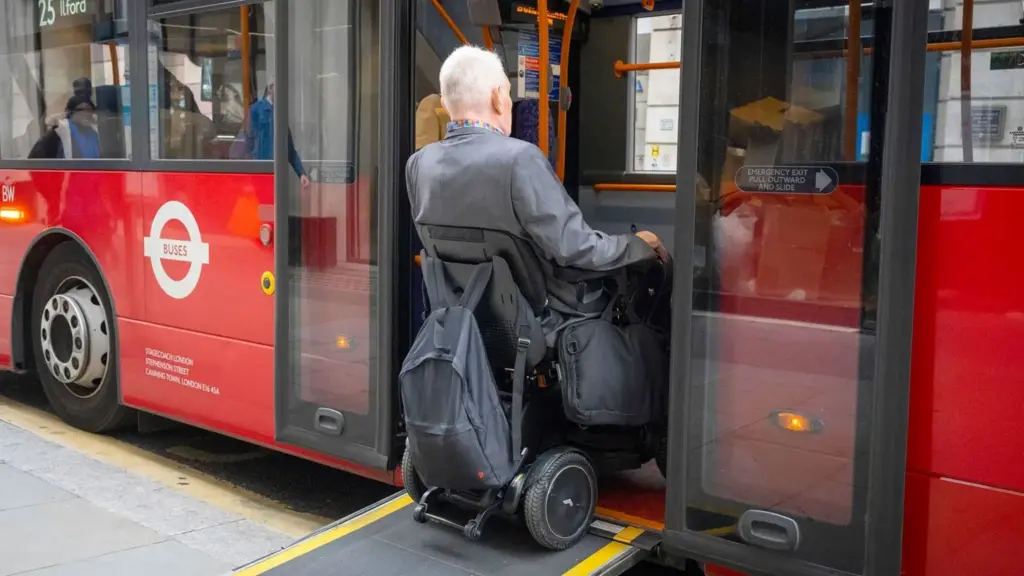
Starting April 1, disabled people across England will be able to travel by bus for free at any time of day, marking a significant milestone in public transit accessibility and equity. Previously, free bus passes were strictly restricted to off-peak hours on weekdays, specifically between the hours of 09:30 and 23:00. This historical limitation created considerable barriers for pass holders attempting to commute to standard morning jobs, secure early shifts, or attend late-night social and cultural events. The complete removal of these time restrictions will directly benefit an estimated one million people nationwide, effectively transforming the national bus network into a true full-time lifeline for disabled citizens seeking greater independence and integration into society.
The landmark policy follows a highly successful pilot program implemented within Greater Manchester’s integrated public transport network, known locally as the "Bee Network." The trial demonstrated the viability and social value of removing time caps on concessionary travel. Furthermore, the nationwide reform is a direct response to years of persistent campaigning by prominent disability rights organizations, including Scope and Transport for All. Advocates have widely celebrated the government’s decision for eliminating an unfair "postcode lottery," a fragmented system where the validity of concessionary passes previously depended entirely on local authority rules and municipal boundaries. However, while disability organizations have praised the removal of time limits, they emphasize that this reform represents only one vital step forward. They continue to note that eligibility requirements across various regions still require broader standardization to ensure true fairness for everyone regardless of where they live.
To secure the long-term success and permanence of the program, the £60 million initiative is being jointly funded through the Department for Transport and the Department for Work and Pensions. Government officials have framed the reform as an essential workforce and cost-of-living initiative, aligning it with existing transit support measures such as the nationwide £2 single-fare cap. By implementing this change, England is finally bringing its national transit policy in line with similar 24/7 concessionary transit programs that have already been operating successfully in Scotland and Wales.
Global Takeaways: How Other Countries Can Make Accessible Commuting Possible
Making daily commuting accessible, equitable, and financially viable for disabled citizens requires a sophisticated combination of thoughtful policy design, reliable digital systems, and targeted public investment. As transportation authorities around the world look for ways to improve urban and regional mobility, the recent shift in England offers important lessons regarding the intersection of social policy and public infrastructure.
Why Was the UK Able to Do It?
The ability of the United Kingdom to enact this sweeping nationwide change stems from a combination of centralized government funding, established concessionary travel frameworks, and intense advocacy from civil society. By pooling resources through central government departments—specifically the Department for Transport and the Department for Work and Pensions—authorities were able to absorb the financial impact that local councils might have otherwise struggled to manage independently. This centralized backing, combined with data gathered from localized trials like Greater Manchester’s Bee Network, provided policymakers with the empirical evidence needed to justify a nationwide rollout. Moreover, decades of advocacy by organizations dedicated to disability rights ensured that the issue remained prominent on the political agenda, compelling lawmakers to address systemic inequalities in public transit access.
Does It Depend on Existing Infrastructure?
Yes, heavily. Providing free transit passes is only a meaningful gesture if the underlying public transport network is physically and technologically accessible to the individuals it aims to serve. A free ticket holds little value if a commuter cannot physically board a vehicle, navigate a station, or access real-time travel information.
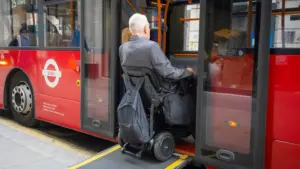
For a 24/7 concessionary travel scheme to succeed, the transit infrastructure must meet several critical standards. Buses must be equipped with modern accessibility features such as wheelchair ramps, designated priority spaces, audible and visual next-stop announcements, and well-maintained boarding mechanisms. Furthermore, transport operators must ensure that drivers and station staff are thoroughly trained in disability awareness and assistance. Beyond physical hardware, digital infrastructure plays an equally vital role. Commuters rely on accessible ticketing systems, reliable real-time tracking applications, and up-to-date service alerts that accommodate various disabilities, including visual and auditory impairments. Without these foundational elements in place, removing time restrictions on free passes addresses only the financial barrier while leaving the physical and operational barriers firmly intact.
What Is Needed to Make Commuting Affordable for People with Disabilities?
Creating an affordable and reliable commuting environment for people with disabilities demands a multifaceted approach that extends far beyond the mere distribution of free passes. First and foremost, governments must establish consistent financial support mechanisms that insulate vulnerable citizens from the fluctuating costs of daily travel, shielding them from broader economic pressures such as inflation and rising living expenses.
Second, policy frameworks must be standardized to eliminate regional disparities. When transit rules, pass validities, and eligibility criteria vary wildly from one municipality to the next, disabled commuters face unnecessary administrative burdens and geographic discrimination. Streamlining these rules creates a predictable and reliable system.
Third, ongoing public investment is required to maintain and expand the accessibility features of the transit fleet. Subsidizing fares alone is insufficient if the fleet itself shrinks or if rural and suburban areas are left under-served. Ensuring equity requires dedicated funding streams that support both urban rapid transit and rural bus routes alike.
Finally, policymakers must maintain an open and continuous dialogue with disability advocacy groups and everyday pass holders. Listening to the lived experiences of those who rely on public transport ensures that future reforms remain practical, responsive, and truly effective in dismantling the barriers that hinder equal participation in the workforce and society.