







In the evolving field of speech-language pathology, the challenge of teaching complex social communication skills has long been a hurdle for practitioners and families alike. Recognizing the need for a more structured, neurodiversity-affirming approach, a new suite of comprehensive communication curriculums has been introduced to provide therapists and educators with a clear, logical pathway for development. These resources are designed to bridge the gap between foundational interaction skills and the nuanced, higher-level abilities required for meaningful relationship-building, offering a systematic framework that is both evidence-based and adaptable to the real-world needs of children and teens.
The initiative centers on the idea that communication is not a one-size-fits-all endeavor. By breaking down the therapy process into manageable, developmental stages, these programs seek to move beyond traditional, often abstract teaching methods, instead favoring a progression that respects the unique neurodevelopmental path of every individual. Whether addressing basic joint attention or the complexities of social nuance and perspective-taking, the curriculums aim to provide professionals with the clarity and confidence necessary to facilitate genuine progress.
A Comprehensive Framework for Social Awareness and Interaction
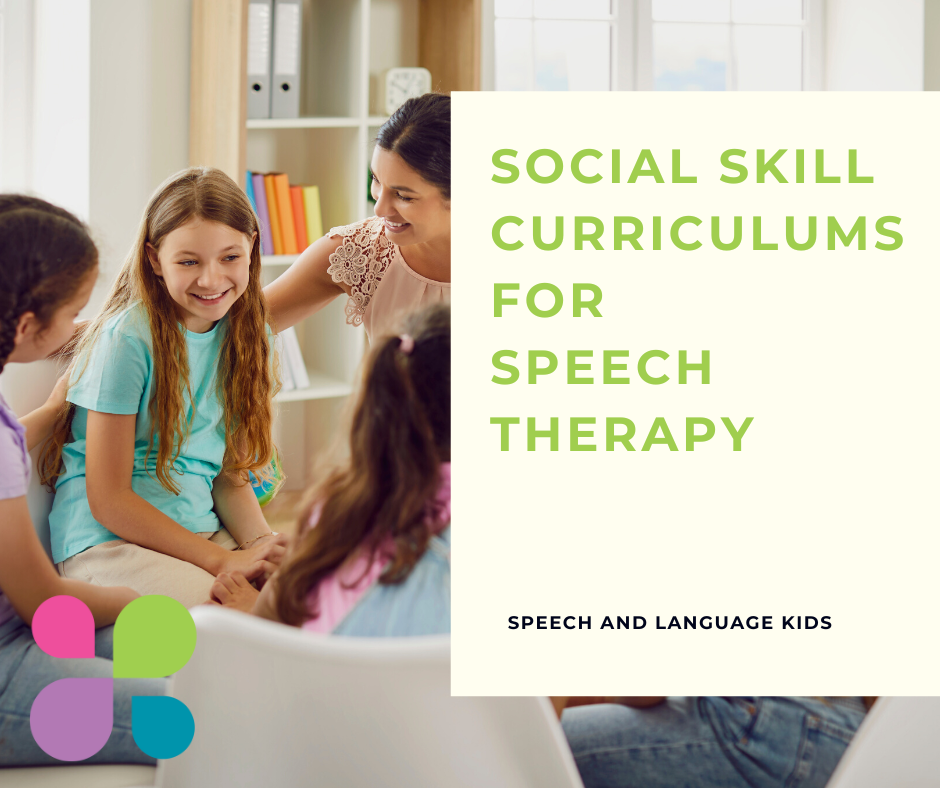
At the heart of this new offering is the Social Awareness and Interactions Curriculum. This program is specifically designed to support social growth from the earliest developmental stages—such as responding to others and establishing joint attention—through to sophisticated social understanding. By taking a neurodiversity-affirming stance, the curriculum avoids rigid behavioral molds, focusing instead on how children and teens can navigate their social environments in ways that feel authentic and sustainable to them.

The curriculum is structured across three distinct levels, each corresponding to developmental milestones. The beginner level, typically targeted at children aged one to two, focuses on the building blocks of social awareness. As learners progress to the intermediate level, typically geared toward children aged three to six, the focus shifts to strengthening active social engagement. Finally, the advanced level, designed for children aged four to ten and beyond, introduces complex concepts like perspective-taking. While these age ranges provide a helpful baseline, the program is designed with enough flexibility to support older children and teens who may still be working to master these specific social cognitive skills.

Integrating Emotional Regulation and Self-Advocacy
Recognizing that social success is deeply intertwined with emotional regulation, the developers have also introduced a dedicated curriculum for Emotional Regulation and Self-Advocacy. This program acknowledges that for many children, challenging behaviors are often a form of communication. The curriculum provides a developmentally layered strategy to help children move from reactive behaviors toward more proactive coping mechanisms.
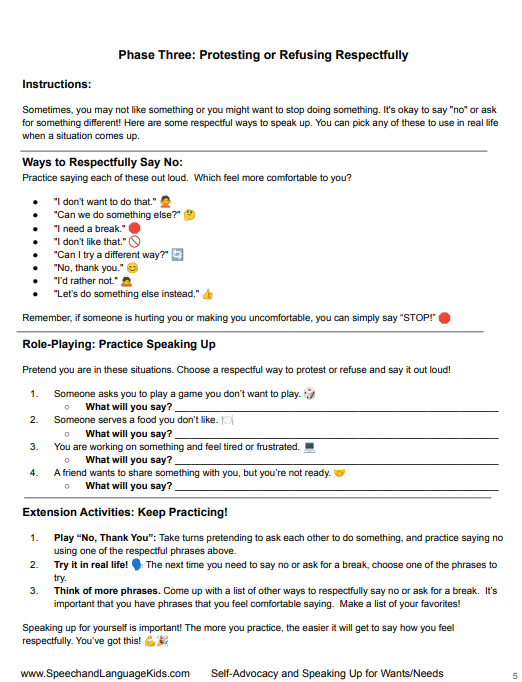
For younger children, the initial focus is on replacing challenging behaviors with functional communication—essentially giving them the tools to express their needs and frustrations constructively. As they advance, the curriculum shifts toward emotional understanding and self-calming strategies. For older children and teens, the advanced modules emphasize self-advocacy, teaching them how to recognize their own sensory or emotional triggers and communicate those needs effectively to others. This progression is essential for fostering independence, as it equips individuals with the self-knowledge required to navigate a wide variety of social and academic environments.
Mastering the Art of Conversation and Abstract Language
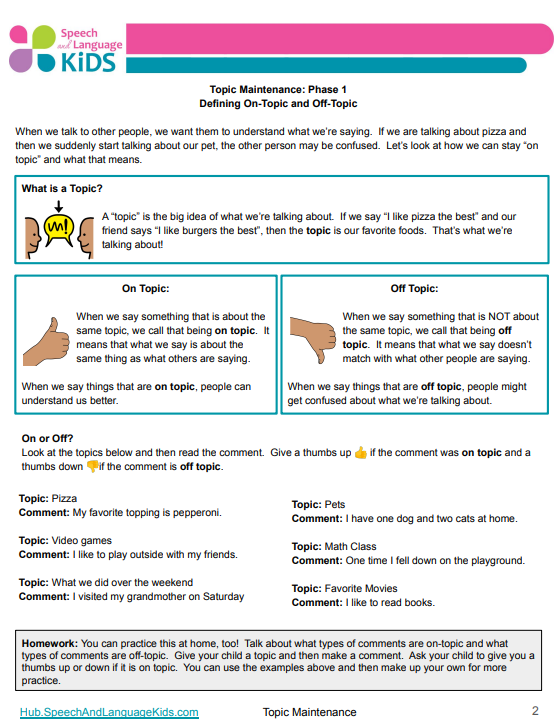
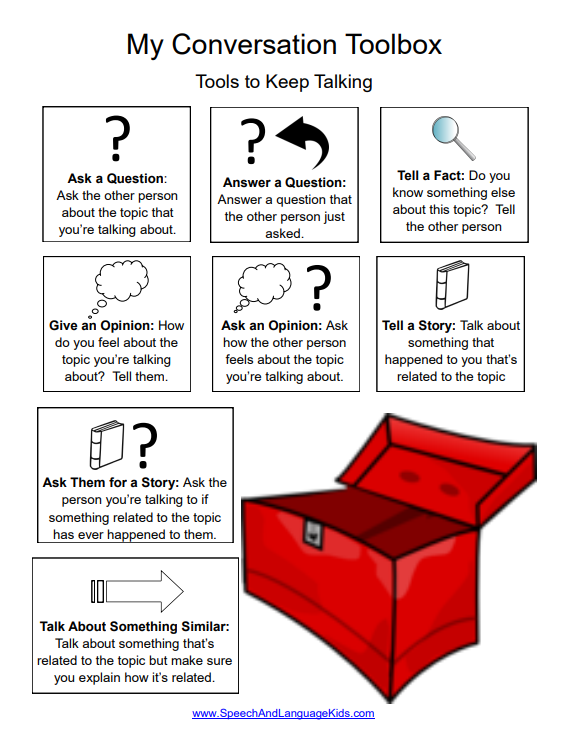
Beyond foundational social awareness and emotional regulation, the new curriculum suite addresses the technical mechanics of social interaction through a specialized Conversational Skills Curriculum. Many children struggle with the "give and take" of dialogue, leading to feelings of isolation or frustration. This program aims to demystify the conversational process by providing ready-to-use materials and a clear framework for initiation, response, and topic management.
The curriculum is divided into three tiers: initiating and responding for younger learners, maintaining conversations and managing topics for the middle range, and navigating complex, multi-layered conversations for more advanced students. This systematic approach ensures that practitioners do not have to "reinvent the wheel" for every student. By providing pre-made materials, the curriculum allows therapists to spend less time on lesson planning and more time on the interpersonal work of coaching students through their social interactions.
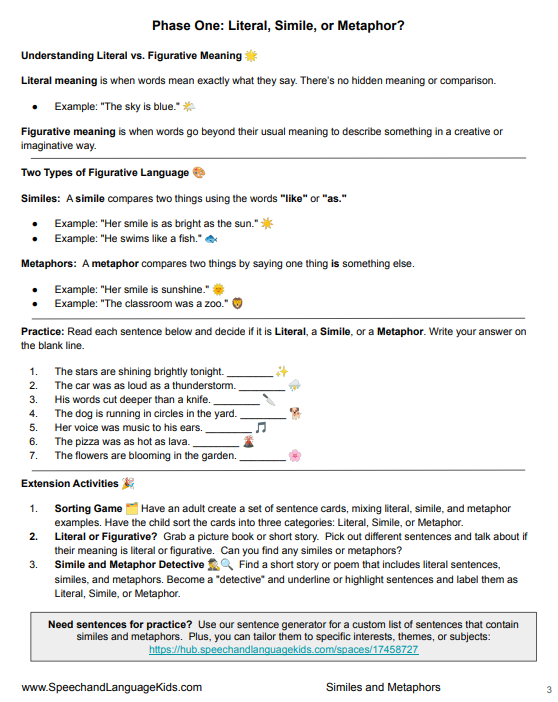
Furthermore, the Abstract Language Curriculum tackles the often-difficult transition from literal to figurative thinking. For many neurodivergent students, the nuances of humor, idioms, and social subtleties can be confusing. This program offers a structured, low-prep way to teach children how to interpret non-literal language. By starting with the difference between literal and non-literal meanings, moving through figurative language, and ending with inferencing and social nuance, the curriculum provides the keys to unlocking the "hidden curriculum" of everyday communication.
Addressing Selective Mutism with Confidence
One of the most specialized components of this new resource suite is the Selective Mutism Curriculum. Selective mutism is a condition that requires a highly specific, empathetic, and evidence-based approach to ensure that a child feels safe enough to communicate. The curriculum focuses on modifying the environment to lower the pressure associated with speaking, thereby fostering natural motivation.
Unlike standard speech therapy modules, this program provides clear guidance for creating supportive settings across different environments, such as at home or in the classroom. By emphasizing a gradual approach to increasing communication, the curriculum helps therapists and caregivers avoid the common pitfalls of forced speech, instead building a foundation of safety that allows the child to communicate at their own pace. The program is designed to be accessible for children from age three and upward, emphasizing that even the smallest steps in communication are significant victories.
Professional Support and the Value of Structured Planning
A recurring theme across these programs is the reduction of the administrative and planning burden on speech-language pathologists and educators. The creators emphasize that when a professional has a clear, evidence-based plan, the quality of therapy improves, and the student makes faster progress. The "SLK Curriculum" acts as a comprehensive resource, covering every major area of communication, from speech sounds to social interaction and emotional self-advocacy.
By providing a step-by-step roadmap from the first session to mastery, the curriculum allows professionals to maintain a high level of organization without sacrificing the personalized care that every child deserves. This level of structure is particularly valuable in settings where time is limited and caseloads are high. When a therapist can rely on a proven framework, they are better equipped to observe the child’s reactions, adapt their approach, and build the kind of rapport that is essential for long-term success.
The ultimate goal of these curriculums is to move beyond the rote memorization of social "rules" and toward a place of genuine, confident communication. When a child or teen gains the skills to regulate their emotions, understand the nuances of a conversation, and advocate for their own needs, the impact on their quality of life is profound. It changes how they interact with their peers, their families, and their communities. As these resources become more widely available, they represent a significant step forward in the effort to make high-quality, neurodiversity-affirming social communication therapy more accessible and effective for all.