









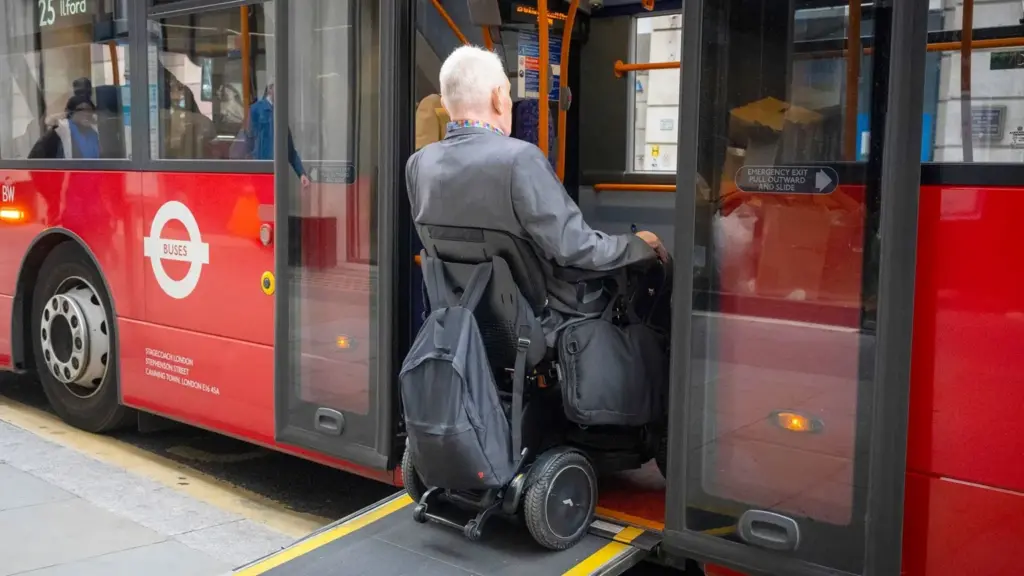
Starting April 1, disabled people across England will be able to travel by bus for free at any time of day, marking a major milestone in public transportation equity. Previously, free bus passes were restricted to off-peak hours on weekdays, specifically limited to the window between 09:30 and 23:00. This historical time restriction created substantial barriers for pass holders, making it notoriously difficult for them to commute to standard morning jobs, arrive at early appointments, or attend late-night cultural, social, and professional events.
The removal of these restrictive time limits will directly benefit an estimated one million people nationwide, fundamentally transforming the national bus network from a daytime convenience into a true full-time lifeline. By unlocking round-the-clock mobility, the policy aims to integrate disabled citizens more fully into the economic and social fabric of the country, ensuring that public transit supports rather than hinders modern lifestyles.
The policy follows a highly successful pilot program in Greater Manchester’s integrated transport system, known as the “Bee Network.” The trial demonstrated that lifting time constraints on concessionary travel did not destabilize local transit operations, but instead provided vital flexibility for riders. Furthermore, the nationwide rollout directly responds to years of persistent campaigning by prominent disability rights organizations, including Scope and Transport for All. Advocates have celebrated the move for eliminating an unfair "postcode lottery," a fragmented system where pass validity, local rules, and travel times heavily depended on municipal boundaries. However, while disability organizations have praised the government’s decisive action, they emphasize that this reform is only one initial step, noting that eligibility requirements and administrative processes across different regions still require broader standardization to achieve true equity.

To secure the permanence of the program, the £60 million scheme is being funded jointly through the Department for Transport and the Department for Work and Pensions. Government officials have framed the reform as an essential workforce and cost-of-living initiative. This investment joins existing national transit measures, such as the nationwide £2 single-fare cap, and successfully brings England into alignment with similar 24/7 concessionary transit programs that have long been operating successfully in Scotland and Wales.
Global Takeaways: How Other Countries Can Make Accessible Commuting Possible
Making daily commuting accessible and affordable for disabled citizens requires a comprehensive combination of thoughtful policy design, reliable digital systems, and targeted public investment. As transportation networks around the world look for models to emulate, the English reform highlights how systemic changes can bridge the gap between mobility and opportunity.
Why Was the UK Able to Do It?
The ability of the United Kingdom to enact this nationwide reform stems from a combination of centralized funding mechanisms, long-term advocacy, and regional framework trials. By leveraging resources from both the Department for Transport and the Department for Work and Pensions, the government demonstrated that national infrastructure projects can successfully prioritize social welfare when backed by cross-departmental cooperation. Furthermore, the foundational success of localized initiatives, such as Greater Manchester’s Bee Network, provided empirical evidence that removing time barriers was both operationally feasible and socially transformative. This paved the way for national policymakers to act with confidence, supported by the tireless lobbying of organizations that kept disability rights at the forefront of the political agenda.
Does It Depend on Existing Infrastructure?
Yes, heavily. Free transit passes only work if the public transport network is physically and technologically accessible. A pass that grants free access at any hour loses its practical value if the vehicle itself cannot accommodate mobility devices, if bus stops lack proper ramps or shelters, or if timetable information is unavailable in accessible formats. True accessibility requires deep, ongoing investments in physical fleet upgrades, such as low-floor buses with functional boarding ramps, audio-visual announcement systems, and dedicated wheelchair spaces. Additionally, technological infrastructure—ranging from smart ticketing systems to real-time digital tracking apps—must be designed with universal accessibility in mind, ensuring that all passengers can navigate journeys with autonomy and confidence.
What Is Needed to Make Commuting Affordable for People with Disabilities?
Making public transit genuinely affordable and accessible for people with disabilities demands a multi-layered commitment from policymakers, transport operators, and community stakeholders. First and foremost, governments must remove arbitrary temporal and geographic restrictions, ensuring that concessionary passes reflect the 24-hour nature of modern employment and social life. Second, funding models must be sustainable and cooperative, utilizing national resources to prevent regional funding disparities that disadvantage rural or economically under-resourced areas. Third, transit authorities must streamline eligibility criteria to eliminate bureaucratic hurdles and regional inconsistencies, creating a seamless experience for pass holders regardless of where they live. Finally, continuous consultation with disability advocacy groups is essential to identify ongoing barriers, ensuring that financial policies are continually adapted to meet the evolving needs of the communities they are designed to serve.