





BREAKING NEWS
Applied Behavior Analysis Psychedelic Insight: Psilocybin Found to Selectively Mute Aggression in Mangrove Rivulus Fish 2 hours ago Child Development Youth-Associated Protein TIMP2 Found to Rejuvenate Aging Brain Immune Cells 2 hours ago Occupational Therapy The Silent Architects of Quality: Why Occupational Therapy is the Healthcare Team’s Ultimate Difference Maker 2 hours ago Speech and Language Therapy Speech and Language Kids Announces Expansion of Structured Curriculum to Transform SLP Workflows 2 hours ago Early Intervention Understanding Toddler Tantrums: Why Meltdowns Are a Crucial Part of Early Development 2 hours ago Assistive Technology Digital Inclusion Shift: Public Institutions Prepare for the 2026 ADA Title II Compliance Deadline 2 hours ago Sensory Processing Occupational Therapists Highlight Top Vision Books and Resources to Support Visual Processing and Academic Skills 2 hours ago Neurodiversity Rewriting the Autistic Relationship Manual: Cultural Metamorphosis and Ecologies of Care at Human Scale 2 hours ago Applied Behavior Analysis Psychedelic Insight: Psilocybin Found to Selectively Mute Aggression in Mangrove Rivulus Fish 2 hours ago Child Development Youth-Associated Protein TIMP2 Found to Rejuvenate Aging Brain Immune Cells 2 hours ago Occupational Therapy The Silent Architects of Quality: Why Occupational Therapy is the Healthcare Team’s Ultimate Difference Maker 2 hours ago Speech and Language Therapy Speech and Language Kids Announces Expansion of Structured Curriculum to Transform SLP Workflows 2 hours ago Early Intervention Understanding Toddler Tantrums: Why Meltdowns Are a Crucial Part of Early Development 2 hours ago Assistive Technology Digital Inclusion Shift: Public Institutions Prepare for the 2026 ADA Title II Compliance Deadline 2 hours ago Sensory Processing Occupational Therapists Highlight Top Vision Books and Resources to Support Visual Processing and Academic Skills 2 hours ago Neurodiversity Rewriting the Autistic Relationship Manual: Cultural Metamorphosis and Ecologies of Care at Human Scale 2 hours ago
Stories
Psychedelic Insight: Psilocybin Found to Selectively Mute Aggression in Mangrove Rivulus Fish
Youth-Associated Protein TIMP2 Found to Rejuvenate Aging Brain Immune Cells
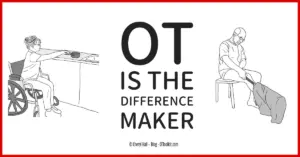
The Silent Architects of Quality: Why Occupational Therapy is the Healthcare Team’s Ultimate Difference Maker
Speech and Language Kids Announces Expansion of Structured Curriculum to Transform SLP Workflows
Understanding Toddler Tantrums: Why Meltdowns Are a Crucial Part of Early Development
Digital Inclusion Shift: Public Institutions Prepare for the 2026 ADA Title II Compliance Deadline
Occupational Therapists Highlight Top Vision Books and Resources to Support Visual Processing and Academic Skills
Rewriting the Autistic Relationship Manual: Cultural Metamorphosis and Ecologies of Care at Human Scale
The Aftermath of Cumulative Loss: Navigating Grief, Busyness, and the Duality of Survival
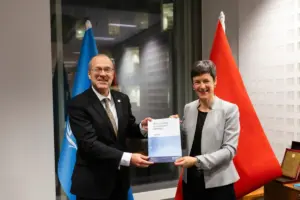
WHO and Switzerland Cement Long-Term Partnership with Renewal of Country Cooperation Strategy for 2024–2028

Category: Applied Behavior Analysis

132 posts

Standard

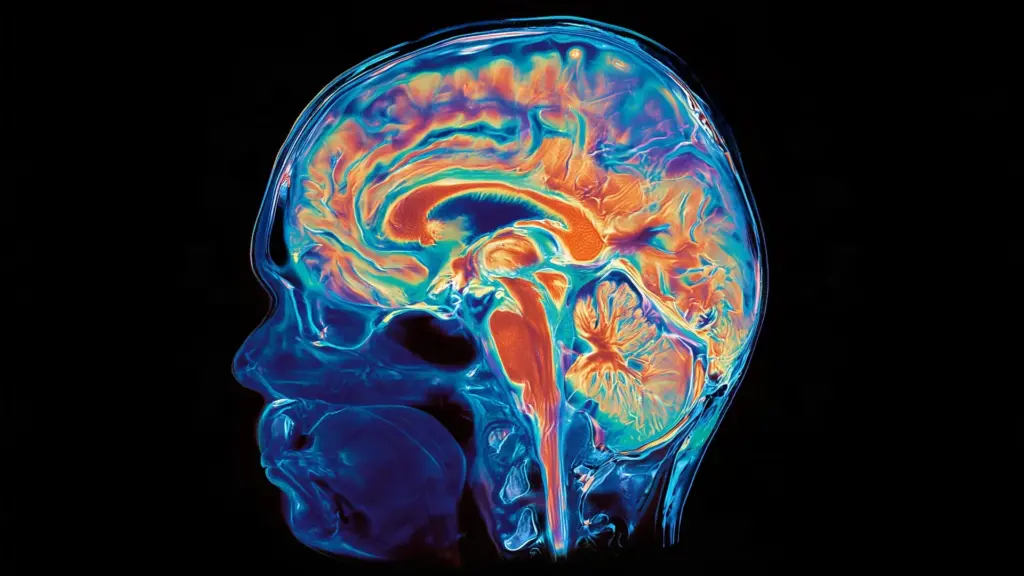
Breakthrough Study Reveals How APOE4 Genetic Variant Fuels Early-Stage Alzheimer’s Development

For millions of people worldwide, the APOE4 gene variant represents a significant shadow hanging over their long-term cognitive health. As the strongest known genetic risk factor for Alzheimer’s disease, APOE4 has long been a primary focus of neurological research. However, the exact mechanisms by which this genetic signature orchestrates the decline of brain function—and specifically,…
Read more
Standard

Stanford Medicine Discovery Reveals the Brain Is Built from Two Distinct Evolutionary Systems

For generations, the scientific community has operated under a foundational assumption: the brain is a single, unified organ that shares a common developmental origin. Whether considering the complex architecture of the human forebrain or the rhythmic, life-sustaining mechanisms of the hindbrain, the prevailing model suggested that all these regions traced their lineage back to a…

Read more
Standard

Breakthrough Microfluidic Implant Offers New Frontier in Precision Brain Mapping and Neurological Treatment

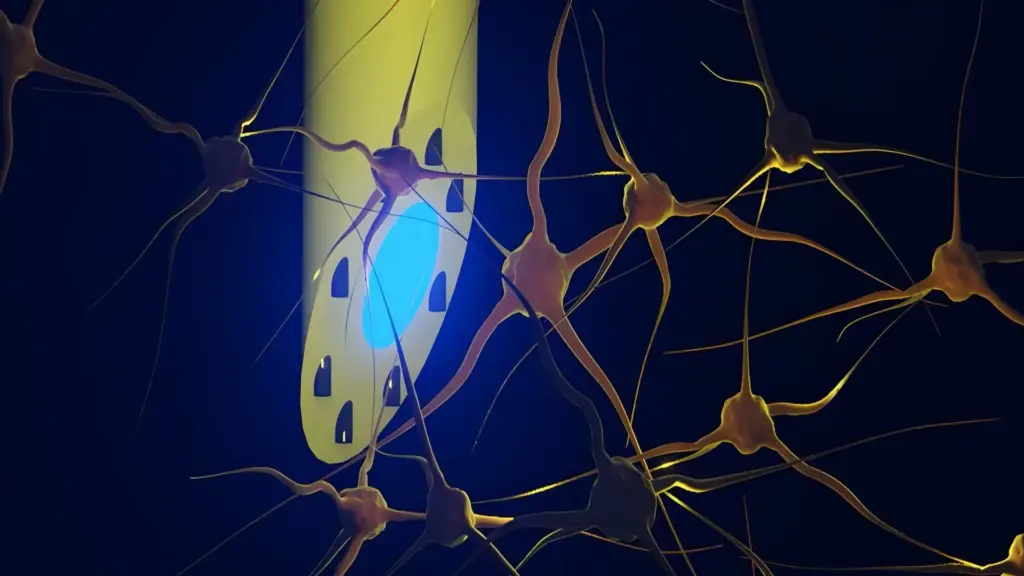
A groundbreaking advancement in neural engineering has emerged from a multi-institutional research collaboration, offering scientists a significantly more precise instrument for investigating the complexities of the human brain. Researchers from the Technical University of Denmark (DTU), the University of Copenhagen, University College London, and other prominent international institutions have unveiled a new type of brain…

Read more
Standard

New Research Links Alzheimer’s Brain Damage to Immune Pathways Outside the Central Nervous System

For decades, the prevailing consensus in neurology was that the devastating neurodegeneration seen in Alzheimer’s disease and related conditions was primarily an internal affair—a localized war occurring behind the formidable barricades of the blood-brain barrier. Scientists focused their efforts on the internal buildup of toxic proteins, such as amyloid plaques and tau tangles, viewing the…

Read more
Standard

Resetting the Internal Clock: New Research Suggests Circadian Rhythms Could Unlock Stroke Recovery

Scientists at the University of Rochester Medicine have uncovered a promising new frontier in neurological recovery: the possibility that strengthening the body’s natural, daily rhythms could significantly improve brain health long after a stroke. By reinforcing the circadian clock, researchers believe they can jump-start the brain’s waste-clearing infrastructure, offering a potential lifeline to patients who…

Read more
Standard

Positive Psychology Interventions Shown to Improve Cardiovascular Health

A growing body of scientific evidence suggests that the mind and the heart are inextricably linked, with new research indicating that simple, intentional mental health practices can lead to measurable improvements in cardiovascular markers within just a few weeks. A recent study, published in the journal Cardiology Clinics, has found that positive psychology interventions—such as…

Read more
Standard

Injectable Biomaterial Offers New Hope for Brain Tissue Repair After Ischemic Stroke

Biomedical engineers at Duke University have achieved a significant breakthrough in regenerative medicine, developing an injectable biomaterial designed to facilitate brain recovery following an ischemic stroke. In a study published in the journal Cell Biomaterials, researchers demonstrated that this novel material can transform the destructive cavity left behind by lost brain tissue into a highly…

Read more
Standard

Popular Joint Pain Supplement Linked to Faster Progression of Cognitive Decline, Study Finds

A widely used over-the-counter supplement, frequently turned to by millions of older adults to manage joint pain and support mobility, has been linked to a potentially concerning outcome in individuals already struggling with early cognitive impairment. Researchers at the University of Florida have uncovered evidence suggesting that the use of glucosamine is associated with a…

Read more
Standard

Beyond the "Lizard Brain": New Research Challenges Long-Held Beliefs About Brain Evolution

For generations, the popular understanding of the human brain has been framed as a psychological tug-of-war. We are often told that our choices are the result of a constant conflict between reason and emotion—a battle between the modern, advanced neocortex responsible for logic, and an ancient, primitive "lizard brain" that dictates our base instincts. This…

Read more