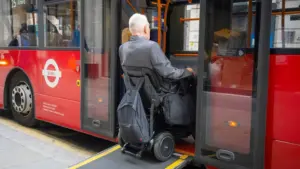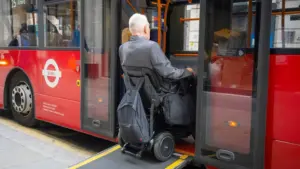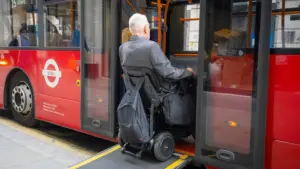









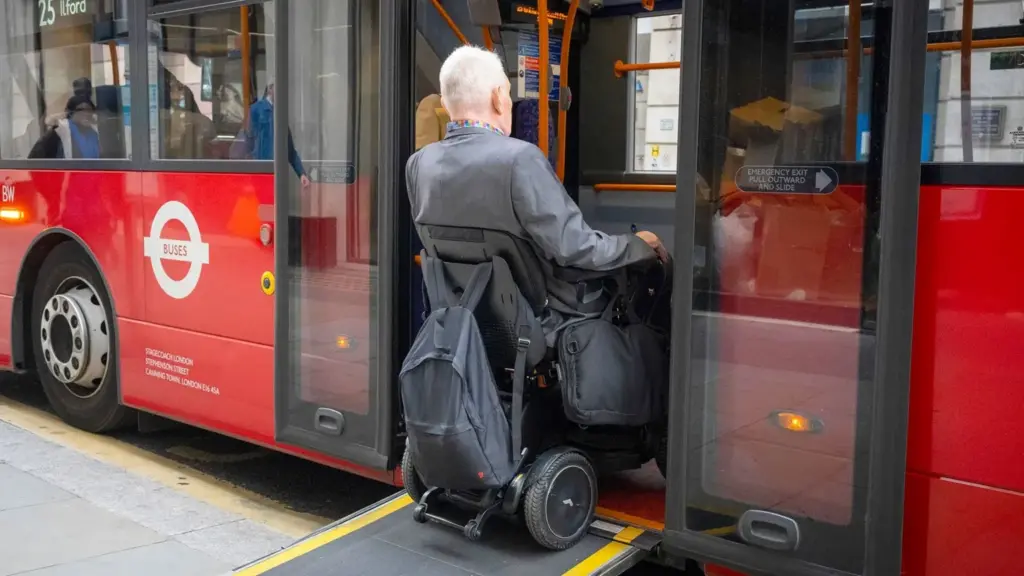
Starting April 1, disabled people across England will be able to travel by bus for free at any time of day, marking a monumental shift in public transit accessibility. Previously, free bus passes were restricted to off-peak hours on weekdays, specifically limited to the window between 09:30 and 23:00. This historical constraint created persistent barriers for pass holders attempting to commute to standard morning jobs, arrive early for professional commitments, or attend early morning appointments and late-night cultural or social events.
The removal of these time limits will benefit an estimated one million people nationwide, transforming concessionary bus travel from a restricted midday convenience into a true full-time lifeline. By leveling the playing field for early morning commuters and those working non-traditional hours, the policy aims to integrate disabled citizens more fully into the economic and social fabric of the country.
The nationwide policy follows a highly successful trial within Greater Manchester’s integrated transport network, known locally as the "Bee Network." The positive outcomes of that regional pilot provided the empirical backing needed to prove that removing peak-hour restrictions was both operationally feasible and socially transformative. Furthermore, the reform responds directly to years of relentless campaigning by prominent disability rights organizations, including Scope and Transport for All. Advocates have long argued that off-peak restrictions penalize disabled workers and students who have no choice but to travel during traditional rush hours. By finally dropping these barriers, the government is addressing a long-standing equity gap.
Campaigners have widely celebrated the move for eliminating what many described as an unfair "postcode lottery," where the validity, usability, and exact terms of a concessionary pass depended heavily on local municipal rules and regional funding availability. Under the new standardized framework, pass holders will enjoy consistent access regardless of where they happen to live in England. However, disability organizations emphasize that while this reform is a massive victory, it represents only one step in a much broader journey. Advocates note that eligibility requirements and assessment processes across different local authority regions still require substantial standardization to ensure equitable access nationwide.
To secure the long-term future of the initiative and make the program permanent, the £60 million scheme is being funded jointly through the Department for Transport and the Department for Work and Pensions. Government officials have framed the reform as an essential workforce participation and cost-of-living initiative. It joins a series of existing transit measures designed to ease financial pressures on the public, such as the nationwide £2 single-fare cap. Moreover, the policy successfully brings England in line with neighboring Scotland and Wales, both of which have operated successful 24/7 concessionary transit programs for years, thereby resolving a glaring geographical disparity within the United Kingdom.
Global Takeaways: How Other Countries Can Make Accessible Commuting Possible
Making daily commuting accessible, equitable, and affordable for disabled citizens requires a sophisticated combination of forward-thinking policy design, modern digital systems, and targeted public investment. As nations around the world grapple with rising living costs and the imperative to build inclusive urban environments, the United Kingdom’s latest transit reform offers a compelling case study in how systemic barriers can be dismantled through coordinated government action and sustained advocacy.
Why Was the UK Able to Do It?
The realization of this nationwide 24/7 free bus travel policy was made possible by a convergence of political will, empirical evidence from regional pilots, and persistent pressure from civil society. For years, organizations representing disabled people kept the issue at the forefront of the national conversation, demonstrating how archaic time restrictions directly undermined employment opportunities and social inclusion. When regional authorities demonstrated through initiatives like Greater Manchester’s Bee Network trial that unrestricted travel was manageable and beneficial, national policymakers had a clear blueprint for scaling the concept nationwide. Financial backing from both the Department for Transport and the Department for Work and Pensions further ensured that the initiative had the necessary fiscal muscle to transition from a localized experiment into a permanent national right.
Does It Depend on Existing Infrastructure?
Yes, heavily. Free transit passes only truly work if the underlying public transport network is both physically and technologically accessible to begin with. Concessions on paper mean very little if a commuter cannot physically board a vehicle or navigate the transit environment. Making a 24/7 transit pass meaningful requires bus fleets equipped with reliable ramps, audible and visual next-stop announcements, designated wheelchair spaces, and well-trained drivers who understand how to assist passengers with diverse needs. Furthermore, technological infrastructure—such as smart ticketing systems, standardized card readers, and unified digital databases—plays a crucial role in ensuring that passes are recognized seamlessly across different operators and municipal boundaries without administrative friction.
What Is Needed to Make Commuting Affordable for People with Disabilities?
Achieving true affordability and accessibility in public transportation demands a holistic strategy that extends well beyond simply waiving fares. First, governments must eliminate arbitrary time and geographical restrictions, ensuring that concessionary passes function as true 24/7 lifelines that accommodate modern working hours and social schedules. Second, funding mechanisms must be robust, reliable, and shared between national and local governments to prevent regional funding shortfalls from compromising the quality or availability of services. Third, eligibility criteria must be standardized to prevent regional disparities that create confusion and unfairness for citizens moving across municipal lines. Finally, continuous consultation with disability rights organizations and pass holders is essential to identify emerging operational bottlenecks, adapt to technological advancements, and ensure that public transit systems remain genuinely open, welcoming, and accessible to all members of society.