




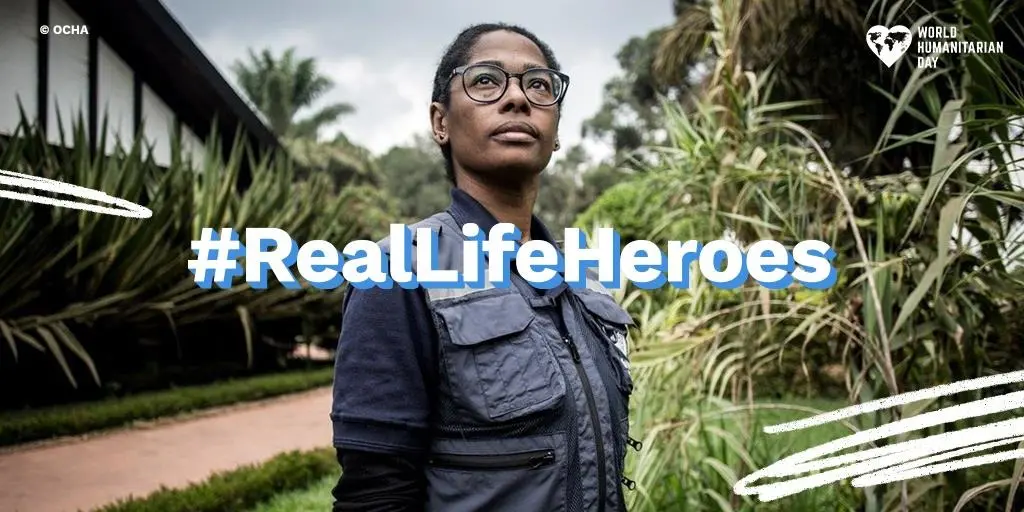
Today marks World Humanitarian Day, an international observance dedicated to honoring the millions of aid workers who risk their lives to provide essential support to the most vulnerable populations on Earth. This year, the occasion carries a profound sense of urgency and gravity, as the global community acknowledges those who have gone to extraordinary lengths during a period of unprecedented challenge. From conflict zones to remote villages, humanitarian workers are navigating the dual pressures of regional instability and the global COVID-19 pandemic, striving to bring food, shelter, healthcare, and hope to those whose lives have been upended by crisis.
The dedication, perseverance, and inherent self-sacrifice displayed by these individuals represent the very best of humanity. As the COVID-19 pandemic continues to exacerbate existing humanitarian needs, these "real-life heroes"—a term that captures the essence of their daily labor—have stepped into the breach, responding to a crisis that has stretched global resources to their breaking point.
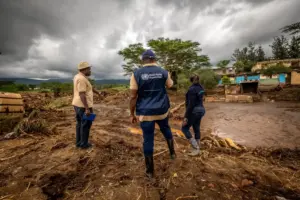
Often, these first responders are not distant observers but people in need themselves. The humanitarian sector relies heavily on refugees, members of local civil-society organizations, and community health workers who possess an intimate understanding of the crises unfolding in their own neighborhoods. Whether they are operating in the wake of natural disasters, amidst the chaos of armed conflict, or at the forefront of disease outbreaks, these individuals are the lifeline for millions of men, women, and children. Yet, as the need for aid continues to outpace available funding, these workers are being tested like never before, facing movement restrictions and a scarcity of resources that make their mission significantly more difficult.
The peril associated with humanitarian work remains a constant, grim reality. All too often, those who dedicate their lives to saving others find themselves the targets of violence. In recent weeks, the world has witnessed the tragic toll of this hostility, with despicable attacks resulting in the deaths of aid workers in Niger and Cameroon. Since the onset of the COVID-19 pandemic, health workers across the globe have also increasingly come under fire, complicating the already difficult task of providing medical care during a public health emergency.
Data from the Aid Worker Security Database, maintained by Humanitarian Outcomes, paints a somber picture of the risks involved. The most recent analysis reveals that major attacks against humanitarians last year surpassed all previous records. In 2019, 483 relief workers were attacked across 277 separate incidents. Of those, 125 were killed, 234 were wounded, and 124 were kidnapped. These figures represent an 18 percent increase in the number of victims compared to 2018, underscoring a deteriorating security environment for those working in the world’s most dangerous locations.
This year marks the eleventh observance of World Humanitarian Day since it was officially designated by the United Nations General Assembly. The date, August 19, holds deep historical significance; it commemorates the 2003 attack on the UN compound in Baghdad, which claimed the lives of 22 people, including Sergio Vieira de Mello, the Secretary-General’s Special Representative for Iraq. The tragedy served as a brutal turning point in the safety of humanitarian personnel. In the years following that attack, nearly 5,000 humanitarians have been killed, wounded, or abducted. The decade between 2010 and 2019 saw a 117 percent increase in attacks compared to the previous decade, highlighting an alarming trend of targeting those who provide neutral, impartial assistance.
The geography of this violence is widespread. In 2019, the international community saw a surge in attacks against health workers, including targeted strikes against medics in Syria and violent incidents involving Ebola response teams in the Democratic Republic of the Congo (DRC). Syria remains the country with the highest number of attacks, followed closely by South Sudan, the DRC, Afghanistan, and the Central African Republic. Furthermore, Mali and Yemen both saw a doubling of major attacks compared to the previous year. The United Nations has consistently condemned these acts of violence, calling for rigorous accountability for perpetrators and justice for the survivors and families of those affected. The core principle remains clear: relief workers can never be a target, and their protection is a prerequisite for the delivery of humanitarian aid.
Mark Lowcock, the Under-Secretary-General for Humanitarian Affairs and Emergency Relief Coordinator, expressed his gratitude for the commitment of these individuals. "To humanitarian workers everywhere doing important, courageous work on the front lines, we say ‘Thank You,’" Lowcock stated. "You are saving lives every day, and as new challenges and crises are piling on to existing ones, your perseverance is an inspiration. Your protection is also paramount to making sure we can deliver to people most in need. The best way to pay tribute to humanitarian workers is by funding their work and ensuring their safety."
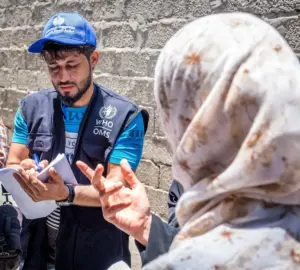
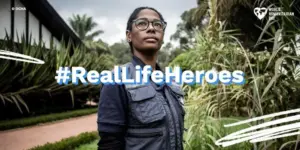
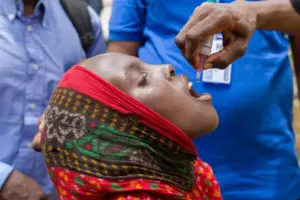
As the world continues to grapple with the COVID-19 pandemic, the Office for the Coordination of Humanitarian Affairs (OCHA) and its partners have launched an initiative to share the personal stories of these #RealLifeHeroes. These narratives highlight the diverse roles played by aid workers, from refugees serving as essential health workers in pandemic response efforts, to veteran Ebola responders adapting their expertise to fight the spread of the novel coronavirus, and doctors and nurses who continue to provide critical maternal and child healthcare despite the mounting risks.
The initiative aims to put a human face to the statistics, reminding the public that behind every aid delivery and medical procedure is a person with a family, a community, and a profound sense of duty. By documenting these experiences, OCHA hopes to foster a deeper global appreciation for the invisible labor that sustains the most vulnerable populations.
The United Nations General Assembly established World Humanitarian Day in 2008 to raise awareness of the necessity of humanitarian assistance and to honor those who risk everything to deliver it. The first commemoration took place in 2009, and since then, the day has evolved into a global platform for advocacy, reflection, and solidarity. It serves as a reminder that humanitarian action is not merely a job, but a vital component of global security and human dignity.
For those seeking to engage with the movement, the UN provides a wealth of resources, including visual media and personal accounts of humanitarian work. As the world moves forward, the mandate for the international community remains clear: to support, fund, and protect the people who operate in the world’s most desperate conditions. Ensuring the safety of these workers is not only a moral imperative but a practical necessity to ensure that life-saving aid continues to reach those who need it most.
The legacy of those who lost their lives in Baghdad and the thousands who have followed in their footsteps continues to inspire a new generation of aid workers. Despite the risks of violence, the complexity of conflict, and the overwhelming challenges of a global pandemic, the humanitarian spirit remains resilient. Today, we recognize that their work is not finished, and their courage continues to bridge the gap between despair and survival for millions of people across the globe.