







For many individuals who navigated the turbulence of dysfunctional or chaotic childhood environments, the desire for control is not merely a preference; it is a deeply ingrained survival mechanism. In such households, where unpredictability was the norm, exerting control over one’s surroundings or schedule became a vital tool to manage a nervous system perpetually on high alert. However, as these individuals transition into adulthood, this reliance on total control often reveals itself to be an unsustainable illusion. While these coping strategies were instrumental in surviving the unpredictability of youth, they frequently become detrimental to emotional well-being in adulthood, creating a cycle of frustration when the realities of life inevitably clash with our desire for order.
The pursuit of a predictable, orderly life is a common human aspiration, but it is often rooted in the fear of what lies outside our influence. Many people, including those who once considered themselves experts in managing chaos, eventually reach a sobering realization: the scope of what is truly within our control is significantly smaller than we once imagined. Attempting to dictate the outcome of uncontrollable events is not only futile but serves as a primary driver for anxiety, robbing us of inner peace as we find ourselves perpetually chasing an unattainable standard of stability.
The Challenge of Controlling the Uncontrollable During Health Crises
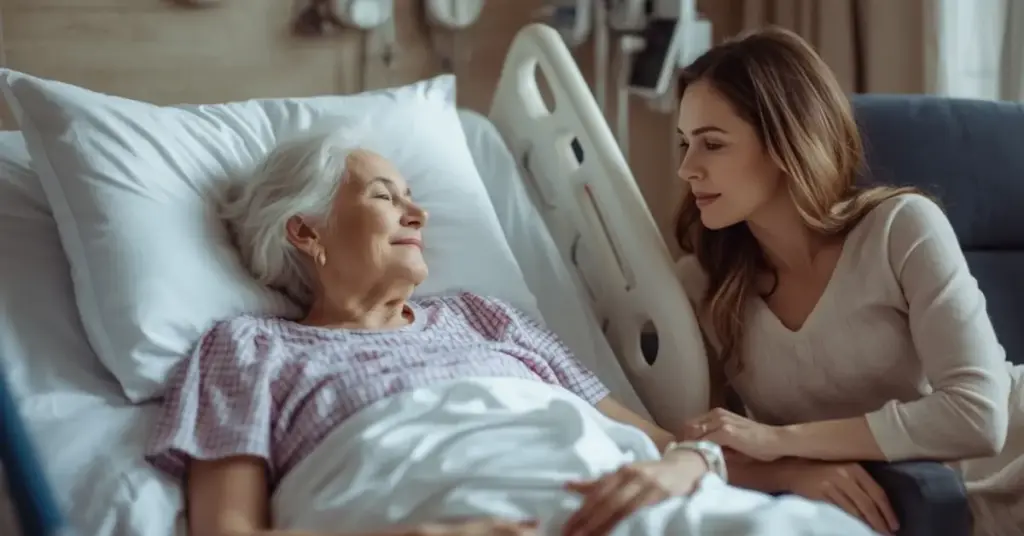
This struggle becomes particularly visceral when a loved one faces a terminal illness or an elderly parent experiences a severe decline in health. These situations are often described as emotionally gutting, capable of draining every ounce of an individual’s internal resources. For the caregiver or the family member, the awareness of an inevitable, tragic conclusion can feel like living inside a structure with a compromised foundation, waiting for an earthquake that they know is coming but are powerless to prevent.

This state of limbo often forces families into a psychological holding pattern. Important personal milestones, career decisions, or even daily routines may be sidelined due to the constant, underlying fear that a sudden, drastic downturn in the loved one’s health could occur at any moment. For those who have lived in this state of anticipation for months or years, the emotional exhaustion is compounded by an underlying, often unspoken, sense of guilt. Many find themselves oscillating between deep care for their relative and a weary, painful wondering about when the ordeal will reach its conclusion. These reactions are not signs of weakness or lack of affection; they are natural, human responses to an excruciatingly difficult reality that remains entirely outside our sphere of influence.
Shifting Perspectives: From Primary to Secondary Control
Maintaining emotional health during such trying times requires a fundamental shift in how we perceive our role. Letting go of the belief that we can control the health trajectory of a loved one is not an act of surrender or apathy, but rather a vital component of self-preservation. This is especially challenging when our deepest desire is to reverse the decline of those we hold dear.
Psychologists often distinguish between primary and secondary control strategies to help individuals navigate these crises. A "primary control strategy" involves attempting to directly change the situation—such as obsessively seeking new medical interventions or trying to force a change in the health outcome of a parent suffering from dementia. While understandable, this strategy often leads to a sense of defeat when the medical reality refuses to align with our desires.
In contrast, a "secondary control strategy" focuses on changing one’s internal cognitions—the way we think about and relate to the situation—rather than the situation itself. This is often achieved through positive reappraisal, a process of reframing the experience to find meaning or comfort despite the absence of a "cure." While finding a silver lining in the face of terminal decline is inherently difficult, this approach might manifest as choosing to focus on tender moments, recalling cherished memories, or prioritizing high-quality, meaningful interaction, even if that interaction is limited to phone calls or video chats. By shifting the focus from the outcome to the quality of the connection, individuals can reclaim a sense of agency that does not rely on changing an unchangeable medical prognosis.
Understanding the Non-Linear Path of Letting Go
It is essential to recognize that the process of letting go is rarely a straight line. It is better understood as a fluctuating, complex cycle of anticipatory grief. In this phase, individuals often experience a "push-pull" dynamic: they feel the intellectual necessity of letting go to protect their own sanity, but their heart and soul continue to fight to hold onto the person they are losing. This back-and-forth movement is a normal part of the grieving process, reflecting the deep attachment and love that define our relationships.
For many, this push-pull dynamic is mitigated by spiritual or philosophical frameworks. The use of traditional practices, such as the Serenity Prayer, is often cited as a way to provide comfort and a structure for surrendering control. When an individual turns to these methods, they are often not looking for a solution to the medical problem, but for a mechanism to find peace amidst the chaos. By externalizing the burden of control, they can often find a temporary respite from the crushing weight of responsibility that they have carried for so long.
Recognizing Boundaries and Practicing Self-Compassion
Perhaps the most challenging, yet liberating, realization in this journey is the acceptance that the illness is the loved one’s path to travel, not our own. This does not mean abandonment; rather, it creates a healthier boundary. Our path involves providing support, showing compassion, and ensuring that our loved ones are cared for, while simultaneously maintaining our own physical, emotional, and spiritual health. Accepting that we are not the masters of our loved ones’ destinies allows us to show up for them more fully, without the resentment or exhaustion that comes from trying to do the impossible.
This journey requires a profound amount of self-compassion. Many who have spent a lifetime trying to control their environment to stay safe find the act of "letting go" to be an entirely new, uncomfortable skill. It is crucial to be gentle with oneself during this process. Self-care is not a luxury in these circumstances; it is an essential requirement for survival. By acknowledging the limits of our influence and committing to our own well-being, we can navigate the most difficult of life’s passages with a degree of grace that is impossible to achieve when we are still trying to hold the reins of an uncontrollable world.
As we move forward, the goal is not to eradicate the pain of loss, but to ensure that the process of caring for ourselves and our loved ones is rooted in reality rather than the illusion of control. By focusing on what we can offer in the present moment—our presence, our patience, and our care—we can find a way to honor our loved ones without sacrificing our own emotional stability in the process.