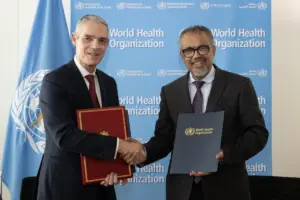



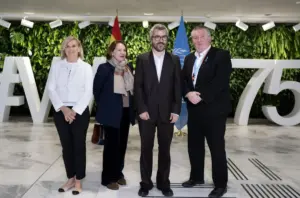

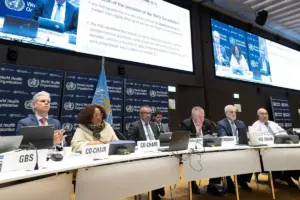



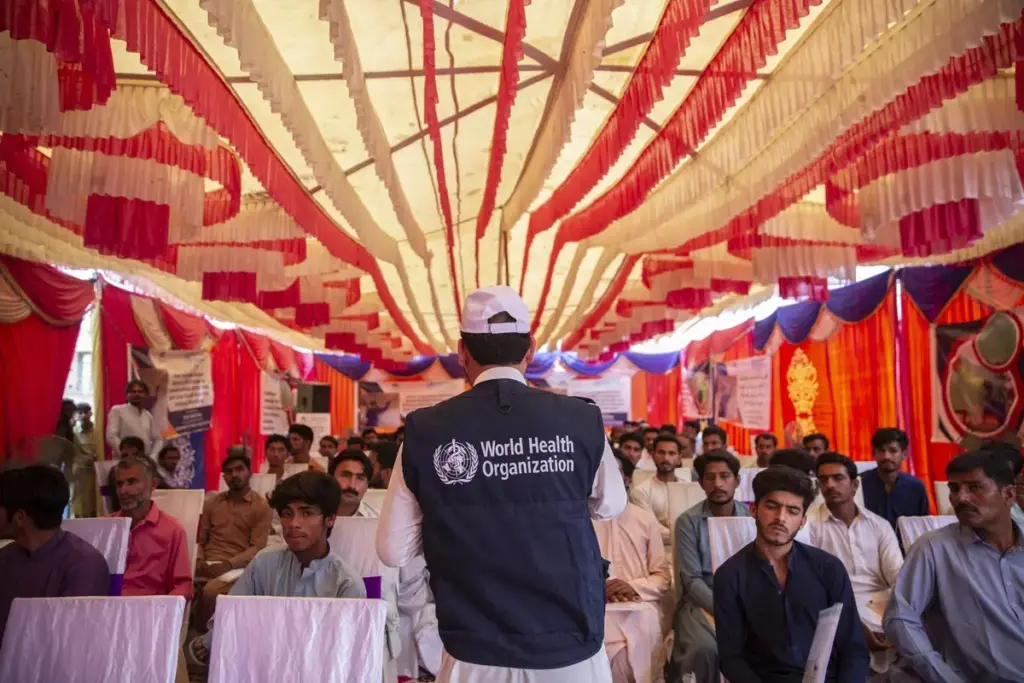
Ahead of the landmark Seventy-seventh World Health Assembly, the Qatar Fund for Development (QFFD) and the World Health Organization (WHO) have joined forces in a strategic partnership, signing a significant Core Contribution Agreement. The new accord is designed to bolster the implementation of the WHO’s extended Thirteenth General Programme of Work, marking another milestone in international cooperation for public health.
Under the terms of the newly established agreement, the State of Qatar, acting through the Qatar Fund for Development, will provide a core contribution of US$ 4 million to the global health body. This financial backing is specifically targeted at enhancing the Organization’s capacity to address evolving global health challenges, reinforcing health systems, and promoting sustainable well-being worldwide. The partnership powerfully underscores the steadfast commitment of both the State of Qatar and QFFD to improving health outcomes and vigorously advancing sustainable development goals on a global scale.
The announcement comes at a crucial juncture for the international community as health leaders gather to deliberate on pressing global health priorities. Core contributions of this nature are widely recognized by international public health experts as vital resources, providing organizations like the WHO with the operational agility required to navigate complex geopolitical landscapes, humanitarian crises, and systemic health disparities.
Highlighting the vision behind the collaboration, Mr. Sultan Ahmed Al-Aseeri, Acting Director-General of QFFD, emphasized the humanitarian imperatives driving the partnership. "Our partnership with WHO is a testament to our dedication to leaving no one behind in the pursuit of health equity worldwide," Mr. Al-Aseeri stated. He further noted that by supporting the overarching mission of the WHO, the institution aims to empower vulnerable communities, significantly enhance healthcare access, and lay the groundwork for a healthier, more secure future for all populations, regardless of geography.
The sentiment was warmly echoed by leadership at the highest levels of the United Nations health agency. WHO Director-General Dr. Tedros Adhanom Ghebreyesus underscored the practical significance of flexible funding mechanisms in executing large-scale public health mandates, particularly in volatile environments.
"Flexible funds are critical for WHO’s life-saving work," Dr. Tedros remarked. "With thanks to long-standing partners like the Qatar Fund for Development, WHO can use these funds to swiftly respond to global health needs as they arise. I am grateful to the State of Qatar for their support and for allowing us the flexibility we need to carry out our mission and mandate."
At the core of this financial and strategic arrangement is the WHO’s extended Thirteenth General Programme of Work, commonly referred to as GPW13. This comprehensive framework focuses on a holistic, multifaceted approach to global health. Rather than concentrating solely on single-disease interventions, GPW13 addresses a wide spectrum of health determinants, encompassing both communicable and non-communicable diseases, reinforcing fragile health systems from the ground up, and systematically promoting health and wellness through every stage of the human life course.
Furthermore, the collaboration will place a distinct and vital emphasis on supporting populations residing in crisis and post-crisis contexts. This targeted focus aligns seamlessly with the core humanitarian mission and strategic objectives of the State of Qatar and QFFD, both of which have consistently prioritized delivering crucial aid, medical relief, and infrastructure support to regions and communities where assistance is needed most urgently. By directing resources toward crisis-affected zones, the partnership seeks to bridge the gap between immediate humanitarian relief and long-term health resilience.
As the international community continues to navigate an array of intricate health challenges—ranging from emerging infectious threats and the rising burden of chronic conditions to the compounding pressures of climate change and displacement—the deepening partnership between QFFD and the WHO stands out as a beacon of hope. It serves as a practical, scalable model for international cooperation and solidarity in the realm of global health governance.
By combining strategic financial resources with multilateral technical expertise, the new agreement represents a significant, tangible step forward on the path toward achieving the shared global vision of a healthier, more equitable, and deeply resilient world for current and future generations.