








Caffeine remains the most ubiquitous psychoactive substance in the global landscape. It is embedded in the fabric of daily life, fueling morning commutes through coffee, providing a midday boost via tea, and serving as a cornerstone of the multi-billion-dollar sports supplement industry. Despite its status as a staple, however, many athletes and fitness enthusiasts remain divided on a fundamental question: What is the optimal window for caffeine consumption to maximize peak performance?
For individuals engaged in training regimens that demand repeated, high-intensity bursts of effort—such as interval training, competitive cycling, or circuit-based strength work—a new study conducted by researchers at the University of Tsukuba in Japan offers compelling evidence. The findings suggest that a single pre-exercise dose of caffeine does not merely provide a fleeting spike in energy; rather, it can sustain enhanced sprint performance for at least three and a half hours after ingestion. This discovery challenges the conventional wisdom that caffeine’s ergogenic effects are limited to a narrow, short-lived window.
The Methodology of the Tsukuba Study
To reach these conclusions, researchers conducted a randomized, double-blind, placebo-controlled trial involving 12 healthy young adults. Each participant underwent two distinct testing sessions: one in which they were administered caffeine and one involving a placebo. The dosage chosen for the study was significant, set at 5.5 milligrams per kilogram of body weight. For a person weighing approximately 150 pounds, this equates to roughly 374 milligrams of caffeine—a robust amount roughly equivalent to drinking nearly four standard cups of brewed coffee.

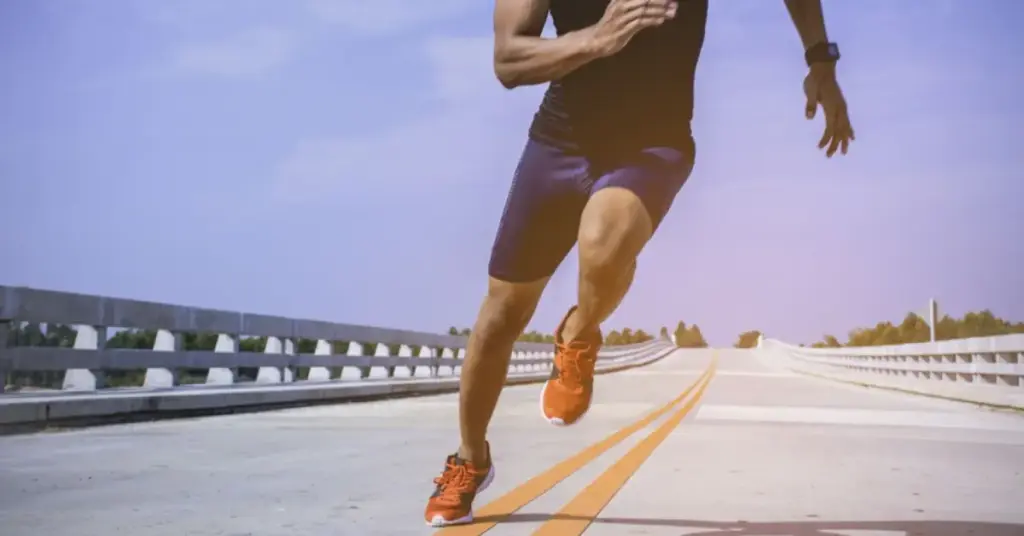
The experimental protocol was designed to mimic the physiological demands of intense, recurring athletic effort. Approximately 60 minutes after ingesting either the caffeine or the placebo, participants began a series of repeated-sprint cycling tests. This testing period spanned 3.5 hours, during which participants were put through three separate sprint sets. Each set consisted of five minutes of moderate-intensity cycling followed immediately by six intense, 5-second sprints.
The results of the study were notably consistent throughout the entire testing duration. When compared to the placebo group, those who consumed caffeine exhibited an increase in mean sprint power ranging from 0.5% to 2.4%. Crucially, this performance benefit remained statistically evident even at the 3.5-hour mark. Furthermore, peak power—the maximum output achieved during the sprints—was higher during the second and third sets of the protocol, showing increases of up to 3.7% compared to the control group.
The implications of these findings are substantial. The study did not indicate that the performance-enhancing effects of caffeine wore off at the 3.5-hour mark; rather, it demonstrated that the benefits were still actively present when the researchers concluded their final measurements. This suggests that the ergogenic window for caffeine is considerably more durable than previously assumed, allowing athletes to maintain higher power outputs across extended training sessions.
Why Caffeine May Make Hard Exercise Feel Easier
The performance gains observed by the Tsukuba team were not merely numerical; they were accompanied by distinct physiological and neurological shifts that help explain why caffeine is so effective as a performance aid.
One of the primary mechanisms identified in the study was a significant elevation in plasma noradrenaline concentrations following sprint efforts. Noradrenaline, a neurotransmitter and hormone, acts as a signaling agent for heightened sympathetic nervous system activity. By stimulating this system, caffeine helps the body prepare for and sustain the "fight or flight" response required for high-intensity physical exertion.
Simultaneously, participants reported lower ratings of perceived exertion—a metric commonly referred to as RPE—and a reduction in the sensation of leg muscle pain during their high-intensity intervals. By effectively dulling the central perception of pain and fatigue, caffeine appears to create a psychological and physiological buffer, allowing athletes to push harder and sustain higher power outputs with less subjective discomfort.
The researchers also tracked cardiovascular and cerebral responses to better understand the systemic impact of the dosage. Caffeine was shown to elevate heart rate and induce measurable changes in respiratory variables. Perhaps most interestingly, the study observed a reduction in middle cerebral artery blood velocity (MCAV mean), which serves as a key index of cerebral blood flow. By modulating both the central nervous system and the cardiovascular response, caffeine facilitates a state where the athlete can perform at an elevated capacity while experiencing a diminished sense of strain. This synthesis of neurological and physiological changes provides a comprehensive explanation for why the substance remains the world’s most popular performance enhancer.
How to Time Pre-Workout Caffeine Intake
Translating these scientific insights into a practical fitness routine requires a degree of individualization. Because caffeine typically takes about 60 minutes to reach peak concentration in the bloodstream and, as the Tsukuba study suggests, maintains its ergogenic effect for several hours, the scheduling of intake is paramount. A strategic approach to timing allows an athlete to maximize the quality of every repetition without succumbing to mid-workout fatigue.
When planning caffeine intake, individuals should account for the delay between ingestion and peak blood plasma levels. If a workout session involves a long-duration training block, consuming the caffeine roughly an hour before starting ensures that the substance is fully active when the most demanding portions of the exercise occur. Because the research shows that the benefits persist for over three hours, athletes engaged in long-form sports or multi-stage events can rely on a single, well-timed dose rather than attempting to "top off" their levels mid-workout, which could lead to unnecessary jitters or digestive distress.
Caffeine Cautions: Dosage, Overdose Risks, and Sleep Hygiene
While caffeine is a scientifically proven ergogenic aid, it is not without its drawbacks. A balanced, responsible approach is essential to reap the athletic benefits while avoiding severe physiological consequences. The dosage used in the Tsukuba study—5.5 mg per kilogram of body weight—is considered a high dose. For many individuals, this level of consumption can trigger side effects such as heart palpitations, anxiety, gastrointestinal issues, and significant sleep disruption.
Athletes must be particularly mindful of the half-life of caffeine. Even if a dose provides a performance boost during an afternoon training session, the substance can remain in the system for many hours, interfering with the quality and quantity of sleep. Since sleep is the primary driver of physical recovery, any gains made through caffeine-enhanced performance could be negated if that same caffeine causes a night of restless sleep.
Furthermore, individual tolerance levels vary wildly based on genetics, frequency of use, and overall health status. Consuming high doses without prior experience can lead to an "overdose" effect, characterized by tremors, dizziness, and an inability to focus, all of which are counterproductive to safe and effective training. For those who are sensitive to stimulants, starting with a lower dose and assessing tolerance is the most prudent path.
Ultimately, the University of Tsukuba study provides a new framework for understanding the longevity of caffeine’s impact on human performance. By recognizing that the benefits of a single dose can extend throughout a prolonged period of intense activity, athletes can move away from excessive or redundant consumption. Integrating caffeine into a training program with an understanding of both its physiological advantages and its potential risks allows for a sophisticated approach to performance enhancement, ensuring that the body and mind are prepared for the rigors of high-intensity exercise without compromising long-term health or recovery.