









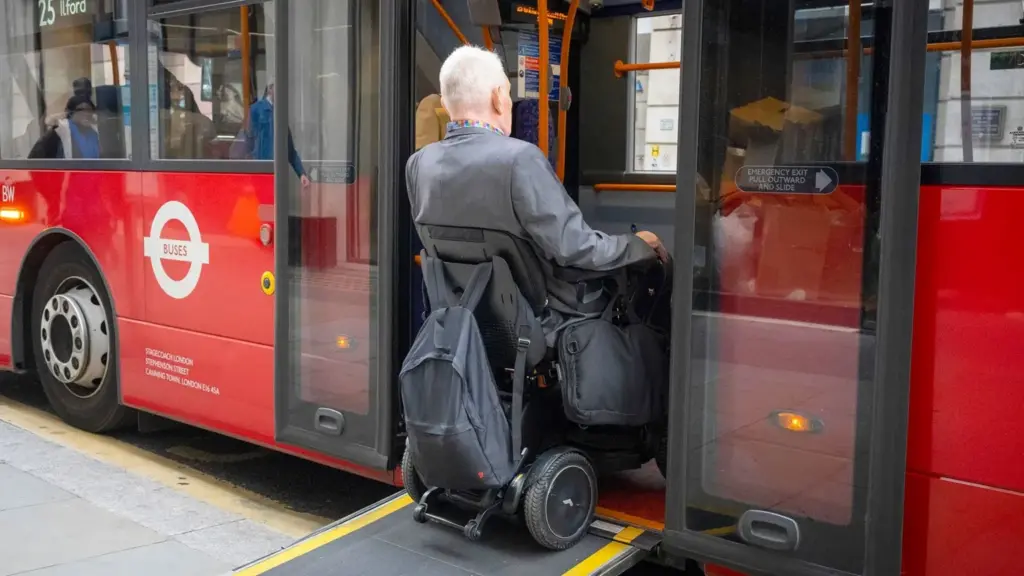
Starting April 1, disabled people across England will be able to travel by bus for free at any time of day, marking a monumental shift in national transportation policy and daily accessibility. Previously, free bus passes were strictly restricted to off-peak hours on weekdays, specifically limited to the window between 09:30 and 23:00. This historical constraint created significant barriers for pass holders attempting to commute to standard morning jobs, arrive early for professional commitments, or attend late-night cultural and social events.
The complete removal of these time limits will directly benefit an estimated one million people nationwide, effectively transforming the national bus network into a true full-time lifeline. For countless individuals who rely on public transportation as their primary mode of mobility, the reform eliminates longstanding logistical hurdles that previously restricted their participation in the modern workforce and community life.
The groundbreaking policy follows a highly successful trial period implemented within Greater Manchester’s integrated transport network, known locally as the “Bee Network.” The regional pilot demonstrated the immense social and economic value of removing time restrictions on concessionary travel, proving that all-day access did not unmanageably strain transport infrastructure while significantly improving independence for disabled passengers. Furthermore, the nationwide rollout responds directly to years of persistent campaigning by prominent disability rights organizations, including Scope and Transport for All. Advocates have widely celebrated the government’s move, praising it for eliminating an unfair “postcode lottery” where pass validity and travel rules previously depended entirely on local municipal jurisdictions. However, disability organizations emphasize that this reform is only a single step forward, noting that broader eligibility requirements across various regions still require urgent standardization to ensure true equity.

To make the program permanent and nationwide, the £60 million funding package is being supported jointly through the Department for Transport and the Department for Work and Pensions. Government officials have framed the sweeping reform as an essential workforce and cost-of-living initiative, designed to integrate smoothly with existing transit measures such as the nationwide £2 single-fare cap. By implementing this comprehensive update, England finally brings its transit policies in line with similar 24/7 concessionary transit programs that have successfully operated in Scotland and Wales for years, creating a more cohesive approach to accessibility across Great Britain.
Global Takeaways: How Other Countries Can Make Accessible Commuting Possible
Making daily commuting accessible and affordable for disabled citizens requires a careful combination of progressive policy design, robust digital systems, and targeted public investment. Public transportation systems globally face the ongoing challenge of balancing fiscal responsibility with social equity, and the United Kingdom’s latest policy shift offers a clear window into how systemic transit reforms can be successfully executed on a national scale.
Why Was the UK Able to Do It?
The successful implementation of this nationwide policy was made possible through a coordinated financial commitment from central government departments working in tandem with regional transit authorities. By pooling resources from both the Department for Transport and the Department for Work and Pensions, the government absorbed the initial financial impact of removing peak-hour restrictions. This centralized funding model relieved local councils of the sole financial burden, allowing for a standardized approach that bypassed local budgetary constraints. Additionally, the groundwork laid by regional pilots, such as Greater Manchester’s Bee Network, provided empirical evidence that policymakers needed to justify the £60 million investment to the public and lawmakers alike.
Does It Depend on Existing Infrastructure?
Yes, heavily. Free transit passes only work if the public transport network is physically and technologically accessible to begin with. The value of a free 24/7 bus pass is severely diminished if the buses themselves cannot accommodate wheelchairs, lack functional audio-visual announcement systems, or operate within bus stops that lack proper curb cuts and shelter. Furthermore, technological infrastructure plays a vital role. Smart ticketing systems, real-time tracking applications, and unified electronic pass validations ensure that passengers can board seamlessly without administrative friction. Without these foundational physical and digital upgrades, expanding operating hours for concessionary passes risks leaving behind passengers who face architectural or technological barriers at the platform level.
What Is Needed to Make Commuting Affordable for People with Disabilities?
Achieving true affordability and accessibility in public commuting demands a multi-layered approach that extends far beyond simply waiving fares. First, governments must establish universal, standardized eligibility frameworks that prevent regional discrepancies and ensure that disabled citizens receive consistent support regardless of where they live. Second, sustained public funding must be channeled directly into modernizing transit fleets and upgrading station infrastructure to guarantee universal physical access. Third, authorities must engage in continuous consultation with disability advocacy groups and transit workers to identify practical bottlenecks in real-time. Finally, integrating fare relief programs with broader employment and cost-of-living strategies ensures that public transportation serves as a genuine catalyst for social inclusion and economic independence, rather than a secondary consideration in urban planning.