









WASHINGTON, DC — ZERO TO THREE, the nation’s leading early childhood development nonprofit dedicated to ensuring that all infants and toddlers are given a strong start in life, has expressed strong encouragement regarding President Biden’s proposed fiscal year 2025 budget. The organization highlighted that the administration’s funding plan incorporates essential and much-needed financial commitments designed to build a solid foundation for young children and their families across the United States.
According to leadership at the prominent early childhood advocacy group, the newly proposed federal spending blueprint marks a significant step forward in federal policymaking by explicitly prioritizing the complex needs of the country’s youngest population. The nonprofit, which works tirelessly to champion policies that protect infant and toddler development, pointed to the broad scope of the funding proposals as evidence of a growing national recognition that early childhood investments yield long-term societal benefits.
The reaction from ZERO TO THREE follows closely on the heels of President Biden’s State of the Union address, during which the administration outlined an overarching vision aimed at empowering families and expanding choices for parents regarding their children’s futures. Representatives from the nonprofit noted that the fiscal year 2025 budget translates these broader policy goals into concrete funding mechanisms, addressing multiple facets of early childhood growth, parent support, and family economic stability.

Miriam Calderón, Chief Policy Officer at ZERO TO THREE, emphasized the profound impact the budget could have on American families if fully realized through the legislative process.
"If implemented, President Biden’s budget released today will make our nation a better and fairer nation to have and raise a baby," said Calderón. "ZERO TO THREE has urged Congress and the Administration to prioritize the needs of babies and their families in five key areas: maternal health, infant and early childhood mental health, child care, housing, and economic security."
Calderón added that the administration’s newly unveiled budget proposals successfully build upon the foundation laid during the recent State of the Union address. By tackling various interconnected elements of early childhood development, the administration is addressing the holistic needs of families during a critical developmental window.
"In last week’s State of the Union address, the President laid out a path toward a future where families are empowered and have choices about their baby’s future," Calderón noted. "This proposed budget expands on this vision with proposals that address all facets of young children’s development."

The comprehensive approach praised by ZERO TO THREE reflects longstanding advocacy efforts by child development experts who stress that the earliest years of a human life—spanning from zero to three—represent a period of unprecedented brain development and neurological growth. During this pivotal window, external factors such as stable housing, reliable child care, parental economic security, and robust physical and mental healthcare play an instrumental role in shaping long-term educational, emotional, and physical health outcomes.
For years, advocates have argued that federal budgets must reflect the realities faced by working parents and caregivers, who frequently struggle to access affordable, high-quality child care or adequate maternal health services. The fiscal year 2025 budget seeks to address these systemic hurdles by channeling federal resources into programs that directly alleviate financial strain and expand access to specialized care.
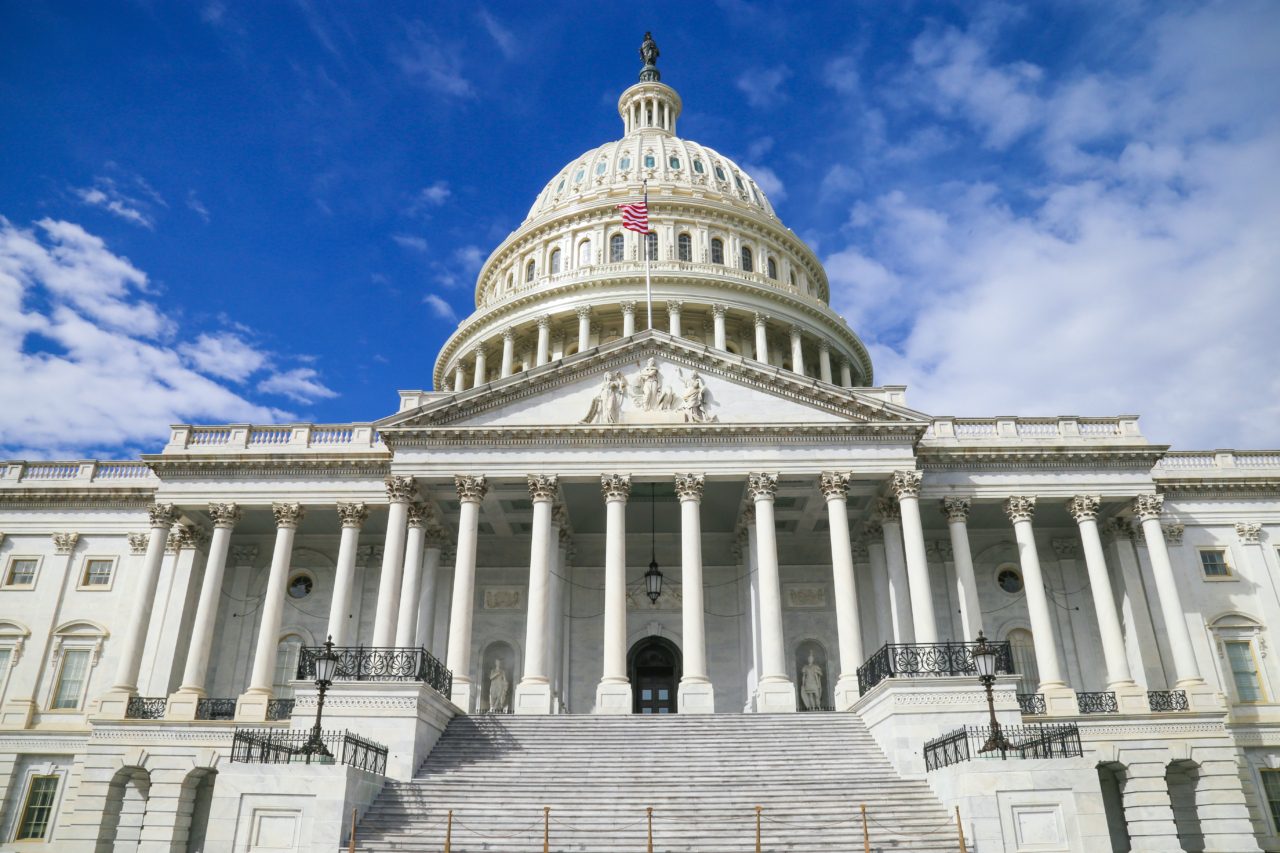
While the executive branch drafts and proposes the federal budget, the ultimate responsibility for passing spending bills rests with the United States Congress. Recognizing this constitutional division of power, ZERO TO THREE has turned its focus toward Capitol Hill, urging lawmakers from both sides of the aisle to recognize the urgency of supporting infants and toddlers.
"Now, Congress must work with the Administration to deliver for families and babies," Calderón emphasized, outlining the next critical phase in the legislative battle for funding. "We look forward to working with Congressional appropriators and our baby champions on the Hill to make these bold proposals a reality."

The path forward will require sustained collaboration between federal agencies, congressional committees, and advocacy organizations like ZERO TO THREE. As federal lawmakers begin the complex task of reviewing, debating, and rewriting the fiscal year 2025 budget allocations, early childhood advocates plan to maintain pressure on legislators to ensure that funding for maternal health, infant mental health, child care, housing, and economic security remains intact.
For families across the nation, the outcome of these upcoming congressional negotiations will carry profound implications. By keeping the spotlight focused squarely on the needs of the youngest Americans, ZERO TO THREE aims to keep infant and toddler welfare at the forefront of national policy discussions throughout the budgetary cycle.