








For decades, the clinical reality of Alzheimer’s disease has presented a confounding medical paradox. Pathologists conducting autopsies on the brains of deceased patients often find the telltale hallmarks of the disease—amyloid plaques and tau tangles—in individuals who, throughout their final years, showed no clinical signs of dementia. Conversely, some individuals experience a rapid and devastating decline in memory and executive function, despite having brains that appear relatively spared from these characteristic lesions.
This phenomenon, known as cognitive resilience, has long been one of the most significant mysteries in neurobiology. Why do some brains crumble under the weight of pathology while others remain remarkably sharp, functional, and resilient? A breakthrough study from the Netherlands Institute for Neuroscience may finally provide a piece of this complex puzzle. Researchers have discovered that a rare, elusive population of immature neurons may serve as a biological bulwark, actively protecting the brain from the degenerative cascade of Alzheimer’s disease.
Unlocking the Mystery of Cognitive Resilience
Cognitive resilience describes the ability of the human brain to maintain cognitive integrity—the capacity to think, learn, and remember—even in the presence of severe neurological disease. While traditional research has primarily focused on the catastrophic loss of brain cells, this new line of inquiry shifts the focus toward the mechanisms of preservation.
"Around 30 percent of older adults who develop Alzheimer’s disease never experience its symptoms," notes Dr. Evgenia Salta, the senior author of the study. "We really don’t know why. That’s a big mystery, and a very important one." By deciphering how some individuals maintain their cognitive baseline, scientists hope to transition from merely observing neurodegeneration to identifying the biological "brakes" that slow or prevent its progression.
At the heart of this research is the concept of adult neurogenesis—the controversial and much-debated idea that the human brain can continue to generate new nerve cells well into adulthood. For years, the scientific community has argued over whether this process, which is well-documented in rodents and other species, persists in humans. If the brain could theoretically produce "replacement parts" for damaged networks, it would fundamentally change our understanding of aging and disease.
However, the team led by Dr. Salta approached this question with a degree of healthy scientific skepticism. They recognized that the mere presence of immature neurons—cells that appear to be in a state of development—does not necessarily prove they were born yesterday. To determine whether these cells were truly a source of renewal or something more complex, the researchers turned to the Netherlands Brain Bank, a premier repository for high-quality human brain tissue.
A Precision Hunt in the Memory Center
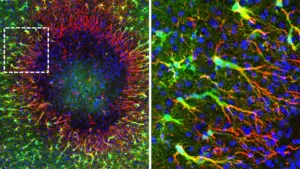
The study required an unprecedented level of analytical precision. The researchers focused their attention on the hippocampus, the brain’s memory center and a region widely considered one of the few areas where neurogenesis might occur. Identifying these cells was a monumental technical challenge.
"These cells are extremely rare, so we had to develop new ways to find them," Dr. Salta explains. "We really zoomed in on the exact spot where we expected them to be."
The team moved beyond traditional markers, developing sophisticated new data analysis approaches that allowed them to characterize these cells without relying on assumptions imported from animal studies. By comparing brain tissue from three distinct cohorts—healthy individuals, those with Alzheimer’s dementia, and those with Alzheimer’s pathology who remained cognitively resilient—the researchers hoped to find a clear disparity.
The results were unexpected. Immature neurons were present in the hippocampal tissue of all three groups, including individuals well over the age of 80. The discovery confirms that the aging human brain retains a cellular plasticity previously thought to diminish entirely with time. Yet, when the researchers compared the quantity of these cells between the resilient and the demented groups, the difference was negligible. It became clear that the secret to resilience was not the number of immature neurons, but rather what those neurons were doing.
Beyond Replacement: A Protective Fertilizer
The most compelling discovery emerged when the researchers shifted their focus from cell counts to cell activity. By examining the biological processes active within these immature neurons, the team identified distinct differences in how the cells behaved in the resilient brain compared to the brain succumbing to dementia.
In individuals who remained cognitively sharp despite their Alzheimer’s pathology, these immature neurons appeared to be "activated." They were triggering biological survival programs designed to cope with cellular stress. Furthermore, these cells were associated with lower levels of inflammation and markers of cell death—two of the primary drivers of cognitive decline.
"In resilient individuals, these cells seem to activate programs that help them survive and cope with damage," says Dr. Salta. "We also see lower signals related to inflammation and cell death."
This observation leads to a transformative theory: these immature neurons might not be acting as "replacement parts" at all. Instead, they may function as a support system for the existing neural architecture. Dr. Salta uses the analogy of a garden: "It might not be about replacing lost neurons. It could be that these cells support the surrounding tissue and help the brain stay functional and ‘youthful.’ They may act as a sort of fertilizer in a garden that has started falling apart."
By secreting protective factors or simply modulating the local environment to reduce neuroinflammation, these immature cells could effectively "prop up" the neural networks that are being assaulted by the toxic proteins associated with Alzheimer’s. This would explain how a brain can remain functional even as its physical structures are compromised.
The Limits of Discovery and the Path Forward
While these findings are undeniably exciting, the research team is careful to temper the enthusiasm with scientific rigor. Dr. Salta emphasizes that this study identifies an association, not a definitive mechanism. The team has observed a correlation between cell activity and resilience, but they have not yet performed the direct, functional experiments required to prove that these cells are the primary cause of that resilience.
"We assume the cells’ function based on the data, but we cannot confirm it in this type of study," she cautions. Furthermore, the presence of these cells does not definitively prove that new neurons are being generated throughout the human lifespan, nor does it suggest that these cells are a "cure" for Alzheimer’s. Cognitive resilience is a multifaceted phenomenon, and this discovery is likely only one chapter in a much larger story.
"This is one piece of a very large puzzle," Dr. Salta notes. "There will never be just one factor that explains resilience."
Despite these limitations, the study represents a significant departure from the traditional approach to Alzheimer’s research. For decades, the field has been dominated by the study of disease progression—how proteins misfold, how synapses wither, and how cells die. By pivoting to study the brain’s inherent protective mechanisms, researchers are opening a new frontier in neurology.
The next steps for the team involve investigating the complex communication networks between these immature neurons and the neighboring cells. If researchers can understand the signaling pathways these cells use to confer protection, they may eventually be able to develop therapeutic strategies that stimulate these natural defenses.
For now, the discovery serves as a hopeful reminder that the aging brain is not necessarily a passive victim of disease. Even in advanced age, it may harbor latent, protective capacities that scientists are only just beginning to map. The existence of these cells suggests that the human brain possesses a hidden, internal gardener—one that may, under the right circumstances, hold the key to maintaining cognitive health in the face of one of medicine’s most daunting challenges.