






Comprehensive Apple-Themed Curriculums for Fall Developmental Learning
As children head back to school and crisp autumn days approach, school-based occupational therapists are rolling out seasonal educational frameworks designed to address core developmental milestones. Leading the charge for the September curriculum is an intensive, multi-disciplinary apple-themed approach tailored to support students across entire school caseloads through fine motor, sensory, gross motor, cognitive, and social-emotional interventions.
For occupational therapists navigating the transition from the relaxed pace of summer to the structured environment of the new school year, digital resource platforms like The OT Toolbox Membership have become central hubs for lesson planning. Therapists are leveraging dashboard sorting tools to pull thematic worksheets and hands-on activities that simultaneously target fine motor precision, scissor skills, self-regulation, executive functioning, and handwriting without sacrificing seasonal engagement.
The shift toward thematic learning capitalizes on the seasonal shift—evoking imagery of hot apple cider, apple picking, and baking—while embedding vital clinical goals into playful execution. Experts in pediatric occupational therapy stress that structured thematic units provide a cohesive framework for children to build foundational skills essential for classroom success and daily independence.
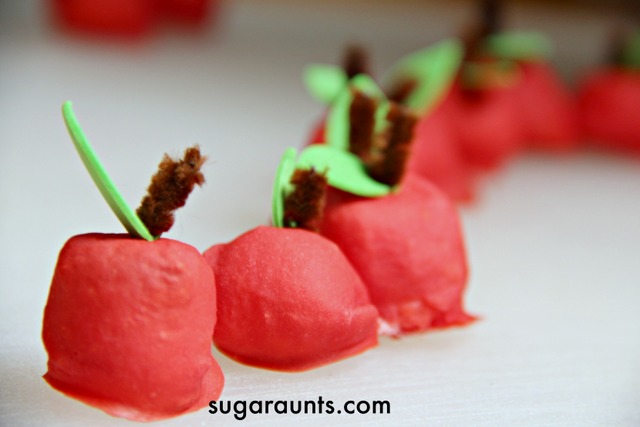
Sensory integration serves as a primary pillar of the autumn apple curriculum. Clinicians are utilizing tactile and proprioceptive activities to help students manage hyper- or hyposensitivities while simultaneously addressing unrelated therapeutic concerns such as attention, sequencing, and direction-following. Among the favored tactile interventions are baked cotton ball apples, which deliver heavy work through the hands to provide crucial proprioceptive input alongside tactile stimulation.

Additionally, sensory bins infused with an apple-cinnamon theme offer experiential learning environments. Therapists often hide magnetic letters within the bins, challenging students to locate and spell out target words like "apple." This tactile retrieval method directly assists children struggling with shape constancy and letter reversals, as physical interaction with the letters aids in wiring cognitive memory for future application. Another tactile innovation gaining traction in therapy sessions is applesauce oobleck, introducing a novel aromatic and textural variation to traditional slime experiments that can double as a foundation for socioemotional interventions and group communication.
Moving beyond sensory exploration, fine motor development remains a critical focus of the September apple initiatives. Occupational therapists emphasize that activities designed to build hand strength, dexterity, and pincer grasps directly prepare children for functional tasks such as handwriting, clothing management, and scissor use.

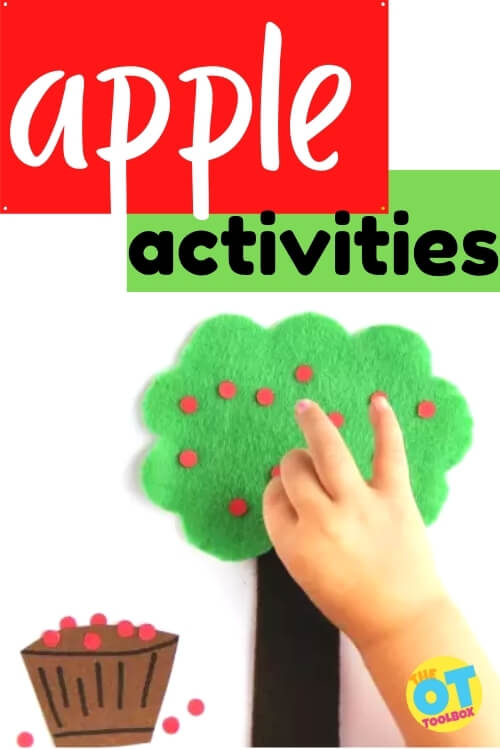
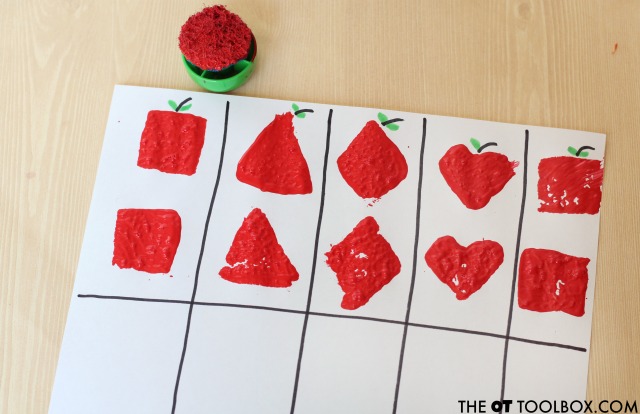
Multi-sensory learning tools, including apple-themed fine motor math exercises and recycled paper roll apple stamps, offer engaging avenues for children to practice precision, eye-hand coordination, and midline crossing. Simple interventions like poking toothpicks into apples require a refined tripod or pincer grasp, building the intrinsic hand muscles necessary for academic tasks. Similarly, pointillism art projects utilizing standard hole punches demand sustained hand strengthening and visual-motor coordination, while picking up the minuscule paper circles reinforces precise finger opposition.
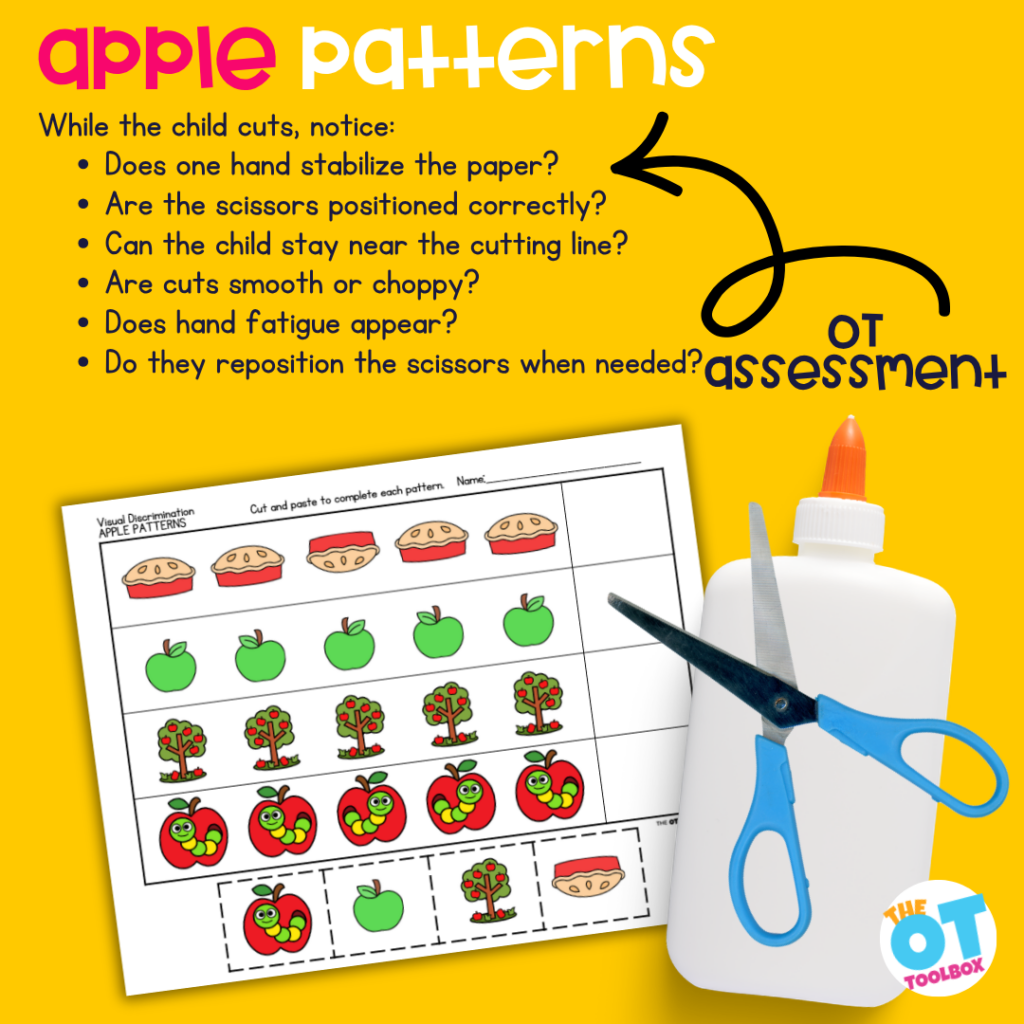
Worksheets incorporated into the seasonal curriculums—such as apple pattern coloring and cutting sheets—double as informal assessment tools for therapists at the start of the academic year. By observing a child’s grasp, posture, and cutting mechanics during a structured worksheet activity, clinicians can gather baseline data for screenings and track developmental progress over time.
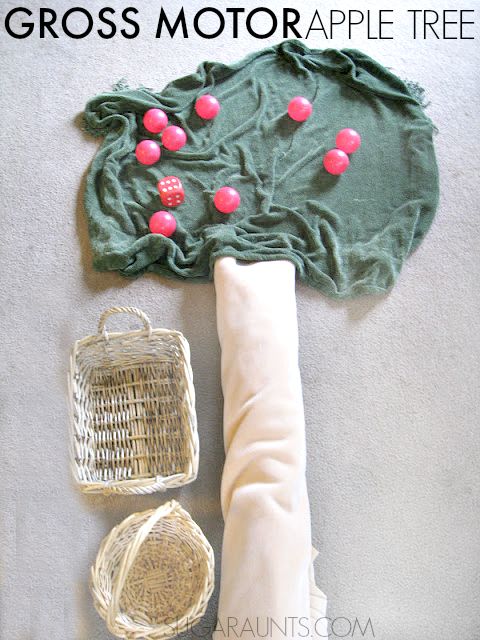
Gross motor development is seamlessly integrated into the apple theme to target core strength, endurance, balance, and motor planning. Clinicians are utilizing indoor balance beams customized with an apple motif to challenge vestibular and proprioceptive systems. Movement-based brain breaks centered around autumn themes provide essential opportunities for whole-body self-regulation. Furthermore, classic literature such as Dr. Seuss’s "Ten Apples Up on Top" is being adapted for physical therapy applications, where children mimic animal movements or balance felt apples on their heads to foster postural stability and coordination.
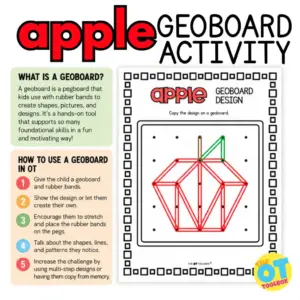
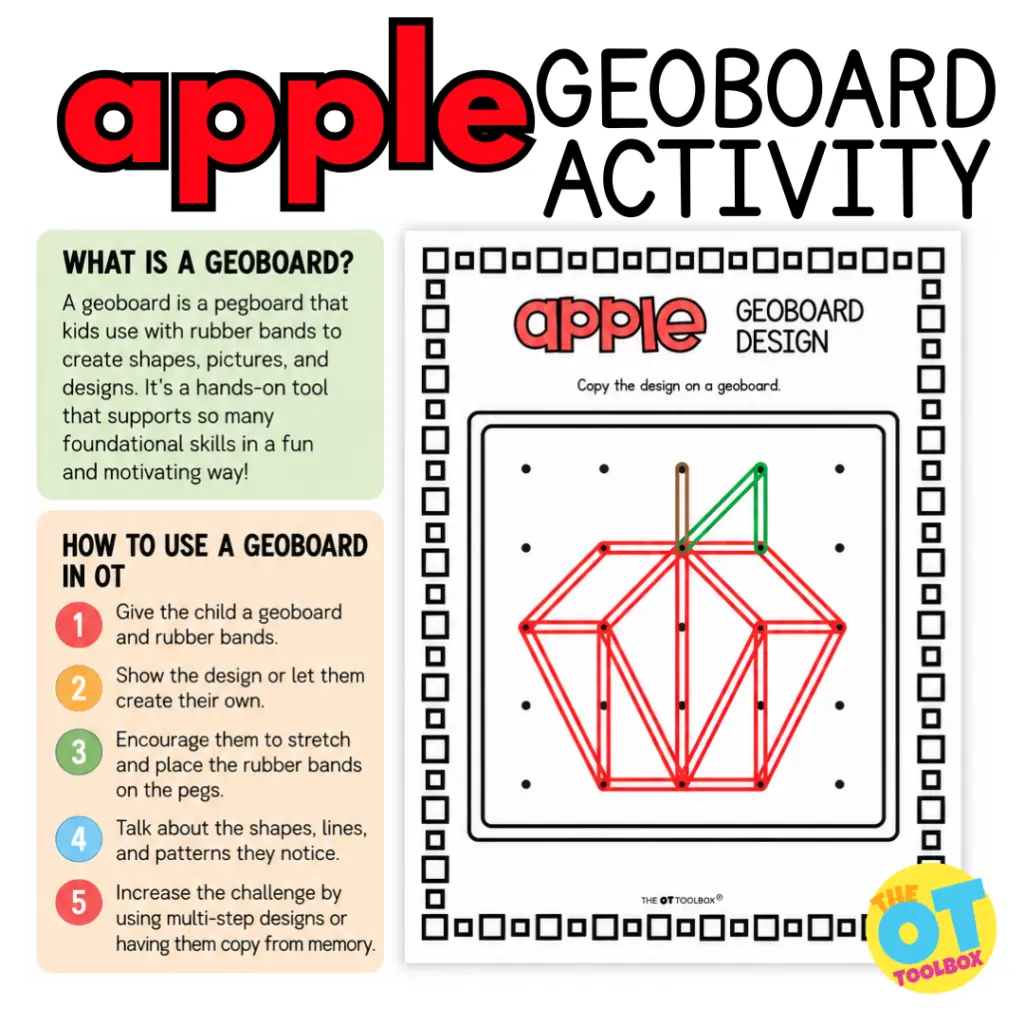
Visual perception and cognitive tasks are similarly addressed through structured geometric activities. Printable apple geoboards require students to replicate intricate designs using rubber bands, offering resistance that builds finger strength while challenging visual motor integration and spatial awareness. Therapists frequently grade these activities up or down to match individual student needs—varying the complexity from partial shape replication to memory-based pattern matching or supplementary handwriting tasks, such as writing descriptive words upon completion.
Executive functioning skills, which are deeply intertwined with planning and organization, find a natural home in kitchen-based and constructive play. Activities ranging from salt-dough apple sculpting to literary sequencing using stories like Zoe Hall’s "The Apple Pie Tree" allow clinicians to target attention, memory, and multi-step task execution. Tools such as red apple cups are similarly deployed to address spelling and word recognition through constructive play.
Handwriting interventions within the apple framework are tiered to accommodate various developmental stages. Beginning writers practice forming single apple-related vocabulary words, while developing writers construct complete sentences. Older students tackle more complex prompts detailing the botanical life cycle of an apple tree from seed to fruit, engaging in executive functioning challenges that require them to brainstorm, organize, draft, and edit their written work.
Social-emotional learning rounds out the comprehensive curriculum, with specialized programming designed to encourage structured social communication and peer interaction through thematic play. Backed by pediatric specialists and school-based practitioners, the expansive collection of autumn resources continues to provide individualized and meaningful treatment pathways for children and their families as the school year gets underway.