







As the autumn season brings changing foliage and cooler weather into communities, educators, occupational therapists, and parents are increasingly turning to seasonal themes to support children’s developmental needs. Rather than choosing fall activities simply for entertainment, professionals are leveraging items like leaves, pumpkins, apples, acorns, and farm materials to target specific fine motor milestones, including hand strength, finger dexterity, scissor proficiency, visual-motor integration, and handwriting development.
The integration of seasonal materials into pediatric therapy and early childhood education provides a natural bridge between engaging play and targeted developmental intervention. Many autumn-themed exercises are designed to address multiple motor and cognitive skills simultaneously, allowing therapists and teachers to adapt tasks based on individual developmental profiles.
Fostering Hand Strength Through Seasonal Tasks
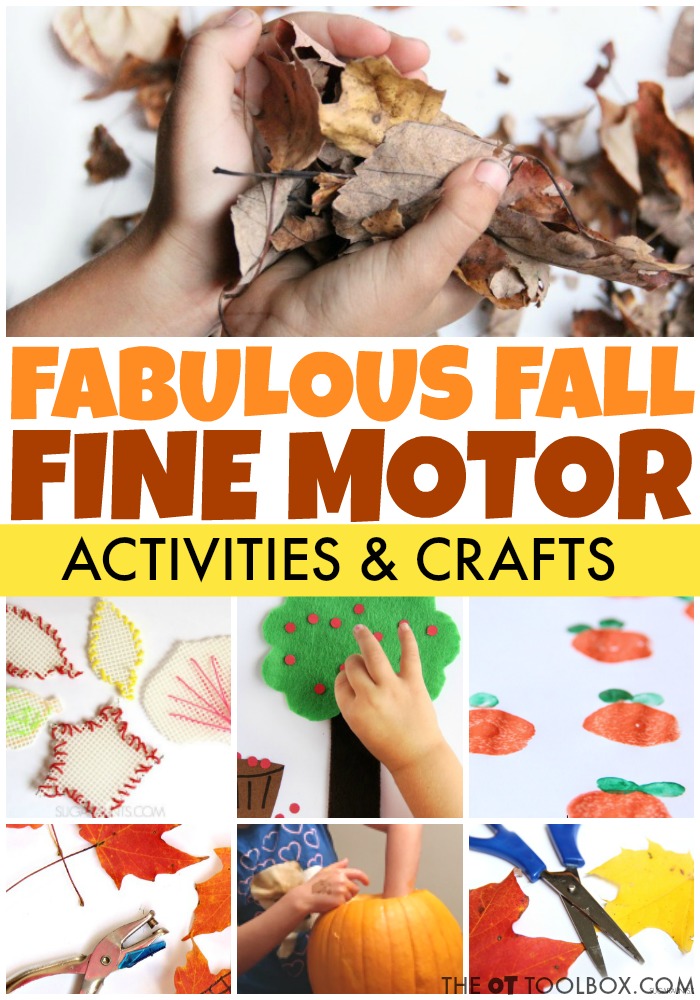
Hand strength is a foundational component of many daily tasks, from managing clothing fasteners to holding writing utensils. Seasonal themes offer a variety of resistive and tactile experiences that help build this strength without feeling like clinical work.
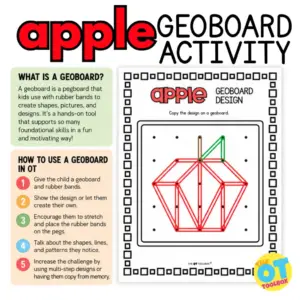
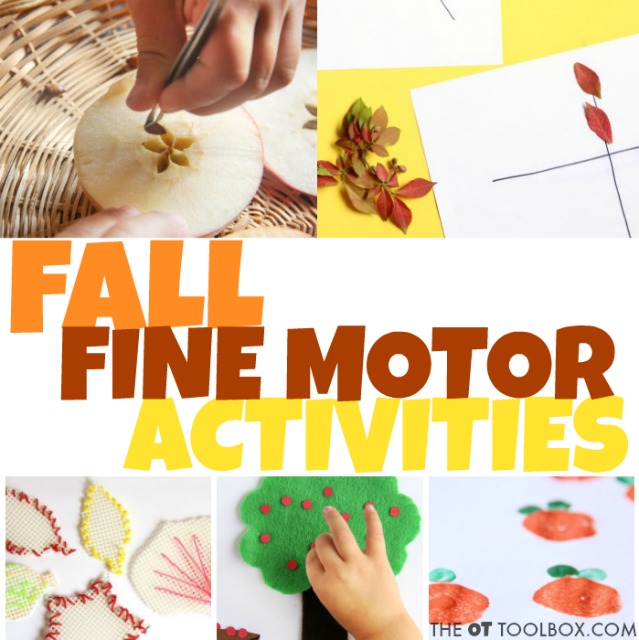
One approach utilized in professional settings is the apple geoboard, where children stretch rubber bands across pegs to recreate specific fruit designs. This action provides physical resistance to the fingers and hands while demanding precision and controlled release, simultaneously supporting bilateral coordination, visual-motor skills, and motor planning. Therapists frequently modify these tasks by adjusting the resistance of the bands or altering the complexity of the visual designs to match a child’s current capability.
Play dough remains a year-round staple in occupational therapy, but autumn variations provide unique tactile and proprioceptive sensory feedback. Rolling, squeezing, pinching, and pressing soft dough engage the small intrinsic muscles of the hands. Therapists often incorporate hidden items, such as mini leaves, small plastic erasers, or colored beads, to encourage targeted grasping patterns, arch development, and wrist stability.
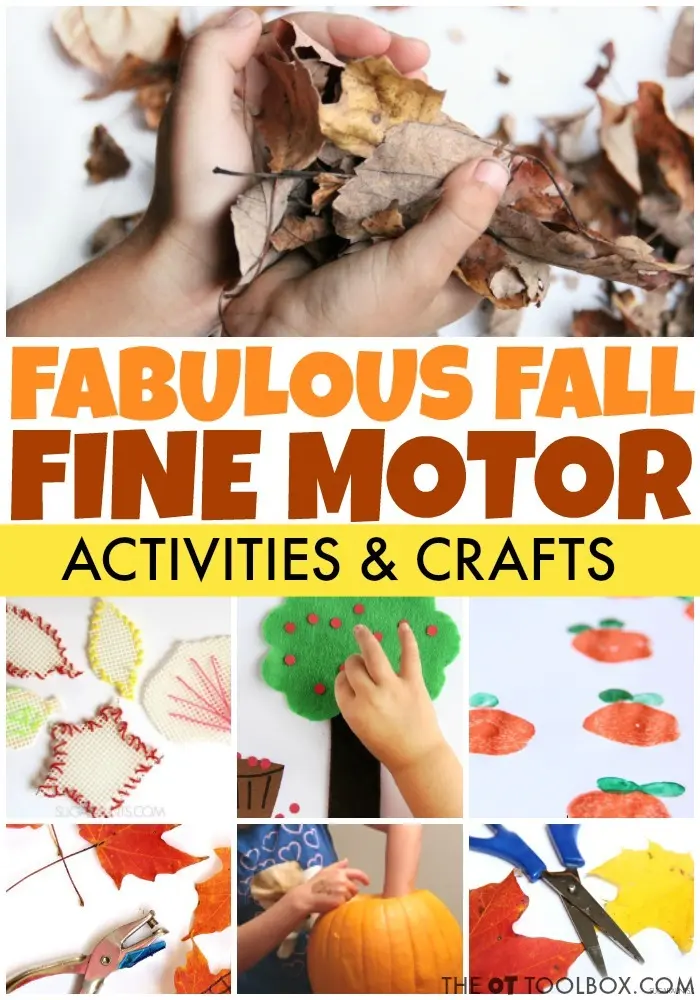
Hole-punching activities using apple- or leaf-shaped templates also offer an effective means of building sustained hand force. Operating a standard hole punch requires significant grip strength, while positioning the tool around the edges of a shape introduces a visual-motor tracking component.
Enhancing Finger Dexterity and Manipulation
Dexterity involves the efficient, coordinated use of fingers for small, precise movements. When children struggle with manual dexterity, it often impacts their speed, precision, and overall coordination during fine motor tasks. The introduction of autumn manipulatives—such as craft pom-poms, seeds, mini erasers, paper clips, and small craft supplies—turns basic seasonal projects into opportunities for refined finger manipulation.
For instance, tree-themed geoboards encourage children to use their fingertips rather than their whole hand to grasp, stretch, reposition, and release rubber bands across individual pegs. Similarly, paper clip counting cards require precise fingertip movements to attach clips to laminated templates, promoting bilateral hand coordination as one hand stabilizes the card while the other manipulates the fastener.
Craft pom-poms transferred via tongs or tweezers into ice cube trays or muffin tins provide another adaptable dexterity exercise. By altering the size of the pom-poms or changing the grabbing tools, professionals can easily grade the activity up or down to meet specific therapeutic goals.
Developing Scissor and Cut-and-Paste Proficiency
Scissor skills require the complex integration of bilateral coordination, where each hand performs a distinct action. While the dominant hand opens and closes the scissors, the non-dominant helper hand must stabilize, rotate, and guide the paper along a visual path.
Specialized cutting practice pages featuring apples and farm themes help children practice cutting along structured lines. Therapists frequently observe how a child approaches these tasks, noting hand positioning, stability, and paper rotation. In regions with accessible autumn foliage, children can also cut or snip real leaves, combining sensory exploration with cutting practice and introductory sewing or collage-making.
Cut-and-paste crafts introduce higher executive function demands beyond simple cutting. Children must cut out individual components, visually determine where they belong, orient them correctly, follow a multi-step assembly sequence, and glue them into precise positions. This multi-stage process engages visual-spatial skills, sequencing, and direction-following alongside traditional scissor proficiency.
Integrating Visual-Motor Skills and Handwriting
Adequate hand strength and dexterity alone are not always sufficient for academic tasks; children must also coordinate what they see with how their hands move. Visual-motor integration plays a critical role in copying designs, following lines, and locating targets.
Fall-themed directed drawing activities require children to observe a model of an acorn, leaf, or pumpkin, determine where lines begin and end, and reproduce spatial relationships on paper. Pattern block designs combine similar fine motor manipulation with visual discrimination, requiring children to select the correct geometric piece, determine its orientation, and position it accurately.
Seek-and-find or "I Spy" pages featuring seasonal items provide structured practice for visual scanning, figure-ground perception, and sustained attention. Therapists often enhance these visual tasks by incorporating a fine motor component, asking children to circle found items, cover them with small manipulatives, or attach clothespins to corresponding pictures.
When transitioning to writing, seasonal writing prompts offer a meaningful context for practicing handwriting skills rather than drilling isolated letters. Educators and therapists can utilize a single set of prompts across diverse skill levels, adapting the focus for emerging writers crafting a single fall word, beginning writers forming a single sentence, developing writers responding to a short prompt, or older students planning and executing a full paragraph.
No-Prep and Natural Material Strategies
Beyond structured printables and specialized materials, natural outdoor elements provide immediate resources for fine motor development. Fallen leaves can be torn, crumpled, punched, cut, sorted, or strung. Acorns can be picked up with tongs, sorted by size, counted, or transferred between containers. Common household items, such as plastic bread ties, can be manipulated and managed by children to build finger strength and coordination through seasonal crafts like ghost decorations.
As educators and therapists plan their seasonal curricula and therapy sessions, these autumn-themed strategies offer structured, adaptable pathways to support essential fine motor and sensory milestones in children of varying abilities.