








The community of occupational therapy practitioners is a vital, collaborative network, one that thrives on the shared experiences and clinical observations of those working on the front lines of patient care. Recently, this collaborative spirit led to an important realization regarding the Occupational Therapy Toolkit, a cornerstone resource for many clinicians. Following an insightful email from an occupational therapist practicing in Tennessee, it became clear that there is a significant, unmet need for structured clinical guidance regarding Ehlers-Danlos Syndrome (EDS).
The clinician reached out with a poignant observation: their patient, who had been diagnosed with this complex condition, was searching for a dedicated treatment guide within the Occupational Therapy Toolkit but found no such resource. This inquiry prompted a reevaluation of the current scope of the Toolkit. While EDS is a rare condition—one that may not appear frequently in every therapist’s caseload—it is a condition that presents unique challenges requiring highly specialized intervention. Recognizing that occupational therapy interventions can profoundly impact symptom management, functional independence, and overall quality of life for those living with EDS, the commitment has been made to integrate a formal treatment guide for the condition into the next edition of the Toolkit.
Because the 8th edition of the Occupational Therapy Toolkit was only recently released in 2024, the inclusion of a new, comprehensive section is a project for the future. In the interim, it is essential to bridge this information gap by dedicating professional discourse to the current best practices for EDS and the pivotal role that occupational therapy plays in supporting these patients.

Ehlers-Danlos Syndrome is fundamentally a connective tissue disorder that disrupts the body’s ability to synthesize and utilize collagen, the essential "glue" that provides structure and integrity to the skin, joints, blood vessels, and other vital organs. Because collagen is ubiquitous throughout the human body, the impact of EDS is systemic and highly variable. Currently, medical researchers have identified 13 distinct types of EDS, each with its own unique genetic origin and clinical presentation. Despite this genetic diversity, there is a common thread of symptoms that many patients share. These include widespread joint hypermobility, persistent joint instability, and chronic pain. The skin of an individual with EDS is often fragile, prone to easy bruising, tearing, and abnormal stretching. Furthermore, patients frequently contend with systemic issues such as debilitating fatigue, orthostatic intolerance—often manifested as dizziness upon standing—and complex gastrointestinal concerns.
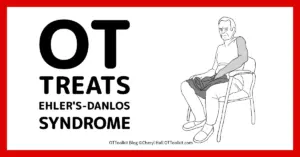
Occupational therapy offers a multifaceted approach to treating patients with EDS, focusing on empowering the individual to navigate their daily life while minimizing the physical strain on their connective tissues. One of the primary pillars of this approach is joint protection. Because hypermobility often leads to painful hyperextension and chronic subluxation, OTs work closely with patients to mitigate these risks. This involves a comprehensive analysis of daily tasks to identify movements that contribute to pain. Practitioners instruct patients in safe, sustainable ways to move and manage joint pain, often designing and fitting custom splints to provide the necessary structural support to vulnerable areas. By stabilizing joints, OTs can help prevent the cumulative damage that often plagues EDS patients over time.
Energy conservation is another cornerstone of the therapeutic intervention. For those with EDS, fatigue is not merely a feeling of tiredness; it is a clinical symptom that can severely limit a person’s capacity for daily living. OTs partner with patients to develop sophisticated pacing and planning strategies, ensuring that the individual does not exceed their physiological limits. By breaking down complex tasks into more manageable segments and introducing strategic modifications, therapists help patients maintain their independence without triggering a cycle of exhaustion and symptom flare-ups.
The integration of adaptive equipment serves as a natural extension of both joint protection and energy conservation efforts. Occupational therapists are uniquely positioned to evaluate a patient’s living and working environment to recommend devices that enhance safety and efficiency. This might include assistive technology to aid in daily living tasks, as well as equipment designed to prevent falls and improve community mobility, allowing patients to maintain their social and professional roles with greater confidence.
Ergonomics also plays a critical role in the clinical management of EDS. Whether in the classroom, the workplace, or the home, OTs conduct thorough evaluations to ensure that an individual’s environment is optimized for their physical needs. This process often involves recommending specific furniture, software, or organizational tools that limit repetitive motions and reduce the strain on hypermobile joints. By adjusting the environment to fit the person—rather than forcing the person to adapt to a standard, potentially harmful environment—therapists can significantly reduce the risk of secondary injuries.
Beyond the physical structure of the joints and muscles, occupational therapists must also address the neurological aspects of the condition, specifically proprioception. Hypermobility can significantly impair a patient’s internal map of where their body parts are located in space and how they are moving. This sensory disconnect can lead to clumsiness, an increased risk of injury, and a lack of fluidity in movement. OTs utilize targeted, therapeutic exercises designed to enhance proprioceptive feedback, which in turn helps to stabilize joints through better muscle engagement and improves the patient’s overall spatial awareness.
It is also vital to recognize the burden of co-occurring symptoms that often accompany an EDS diagnosis. Many patients navigate a complex landscape of secondary challenges, including chronic sleep disturbances, mental health struggles such as anxiety and depression, persistent migraines, and a range of autoimmune disorders. Occupational therapists are trained to look at the whole person, providing the necessary interventions, behavioral modifications, and lifestyle strategies to manage these overlapping conditions. By addressing the cognitive, emotional, and systemic aspects of the patient’s experience, the therapist provides a more holistic and effective path toward improved quality of life.
While the Occupational Therapy Toolkit is currently in the process of developing a formal, dedicated Treatment Guide for Ehlers-Danlos Syndrome, it remains a robust and valuable resource for clinicians who are currently treating these patients. The existing materials within the Toolkit—ranging from comprehensive ADL and mobility handouts to therapeutic exercise modules and educational resources—can be adapted and utilized to address the diverse needs of the EDS population. By applying the foundational principles of activity modification and patient education found within these pages, OTs can provide immediate and effective support to their patients while the specialized EDS content is being developed for future editions.
For those clinicians seeking to deepen their understanding of this complex condition, The Ehlers-Danlos Society serves as an indispensable resource. Their digital platform offers a wealth of information tailored specifically for healthcare professionals, including continuing education opportunities, the latest peer-reviewed research, and a comprehensive directory of medical experts with specialized experience in managing the various types of EDS. Engaging with such resources ensures that therapists remain at the cutting edge of clinical care.
The suggestion to include EDS in the Toolkit serves as a powerful reminder of the impact that proactive communication can have on professional resources. The evolution of the Occupational Therapy Toolkit has always been, and will continue to be, driven by the needs and insights of the practitioners who use it every day. Clinicians who identify gaps in current resources or who have suggestions for new materials are encouraged to reach out directly via email to continue this vital dialogue. By working together, the occupational therapy community can ensure that no patient—no matter how rare their condition—is left without the support and guidance they need to live a full, independent, and empowered life.