






BREAKING NEWS
Applied Behavior Analysis Daily Consumption of Peanuts Linked to Improved Brain Insulin Sensitivity in Older Adults 3 hours ago Child Development New Research Links Sleep Disorders to Structural Brain Changes Affecting Cognition and Emotion 3 hours ago Assistive Technology 3D-Printed Wheelchairs Offer a Glimpse Into a More Affordable and Accessible Future for Pediatric Mobility 3 hours ago Sensory Processing School Occupational Therapists Launch Autumn Learning Initiatives with Apple-Themed Therapy Frameworks 3 hours ago Assistive Technology McMaster University Students Launch Startup to Tackle Global Hearing Care Crisis with $20 Mechanical Device 11 hours ago Behavioral Health New Research Reveals How Narcissism Evolves Across the Lifespan 11 hours ago Child Development New Study Challenges the Efficacy of Fish Oil Supplements for Alzheimer’s Prevention 19 hours ago Applied Behavior Analysis Deciphering the Blueprint of the Primate Brain: Why Some Species Evolved Smooth Cortexes 19 hours ago Applied Behavior Analysis Daily Consumption of Peanuts Linked to Improved Brain Insulin Sensitivity in Older Adults 3 hours ago Child Development New Research Links Sleep Disorders to Structural Brain Changes Affecting Cognition and Emotion 3 hours ago Assistive Technology 3D-Printed Wheelchairs Offer a Glimpse Into a More Affordable and Accessible Future for Pediatric Mobility 3 hours ago Sensory Processing School Occupational Therapists Launch Autumn Learning Initiatives with Apple-Themed Therapy Frameworks 3 hours ago Assistive Technology McMaster University Students Launch Startup to Tackle Global Hearing Care Crisis with $20 Mechanical Device 11 hours ago Behavioral Health New Research Reveals How Narcissism Evolves Across the Lifespan 11 hours ago Child Development New Study Challenges the Efficacy of Fish Oil Supplements for Alzheimer’s Prevention 19 hours ago Applied Behavior Analysis Deciphering the Blueprint of the Primate Brain: Why Some Species Evolved Smooth Cortexes 19 hours ago
Stories
Daily Consumption of Peanuts Linked to Improved Brain Insulin Sensitivity in Older Adults
New Research Links Sleep Disorders to Structural Brain Changes Affecting Cognition and Emotion
3D-Printed Wheelchairs Offer a Glimpse Into a More Affordable and Accessible Future for Pediatric Mobility
School Occupational Therapists Launch Autumn Learning Initiatives with Apple-Themed Therapy Frameworks
McMaster University Students Launch Startup to Tackle Global Hearing Care Crisis with $20 Mechanical Device
New Research Reveals How Narcissism Evolves Across the Lifespan
New Study Challenges the Efficacy of Fish Oil Supplements for Alzheimer’s Prevention
Deciphering the Blueprint of the Primate Brain: Why Some Species Evolved Smooth Cortexes
Speech and Language Kids Announces Expansion of Innovative Curriculum to Revolutionize Therapy Practices
The Search for Significance: Why Finding Meaning is the Key to Modern Well-Being

Tag: aba

168 posts

Standard

Why Some Primate Brains Are Smooth: New Research Uncovers the Cellular "Brakes" on Brain Growth

Most primates possess brains that are marvels of biological engineering, characterized by large volumes and intricate patterns of folds and grooves—a hallmark of evolutionary complexity. However, the common marmoset (Callithrix jacchus), a small South American monkey, presents a striking evolutionary exception. Its brain is remarkably smooth, lacking the extensive folding found in its larger-brained primate…
Read more
Standard

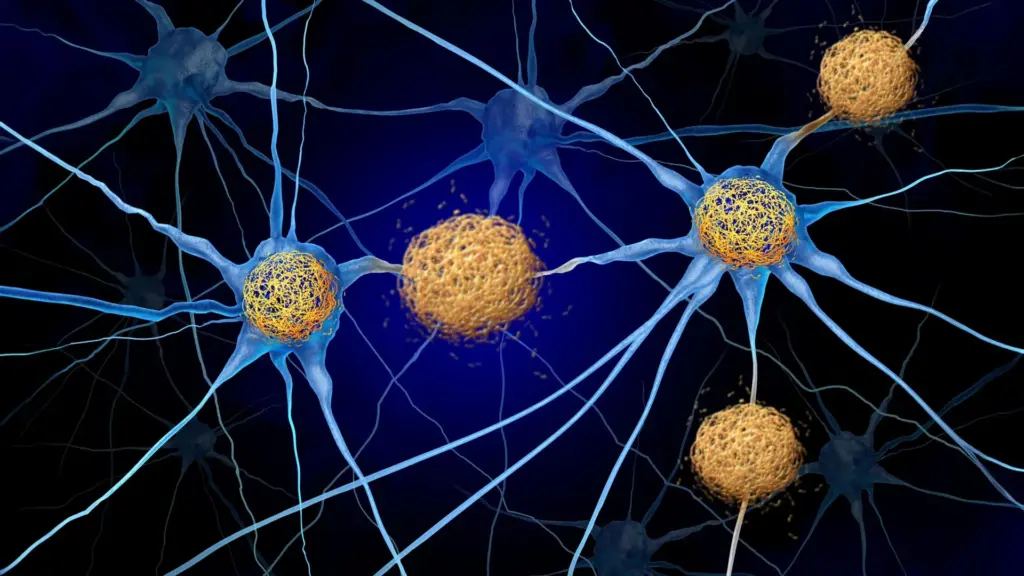
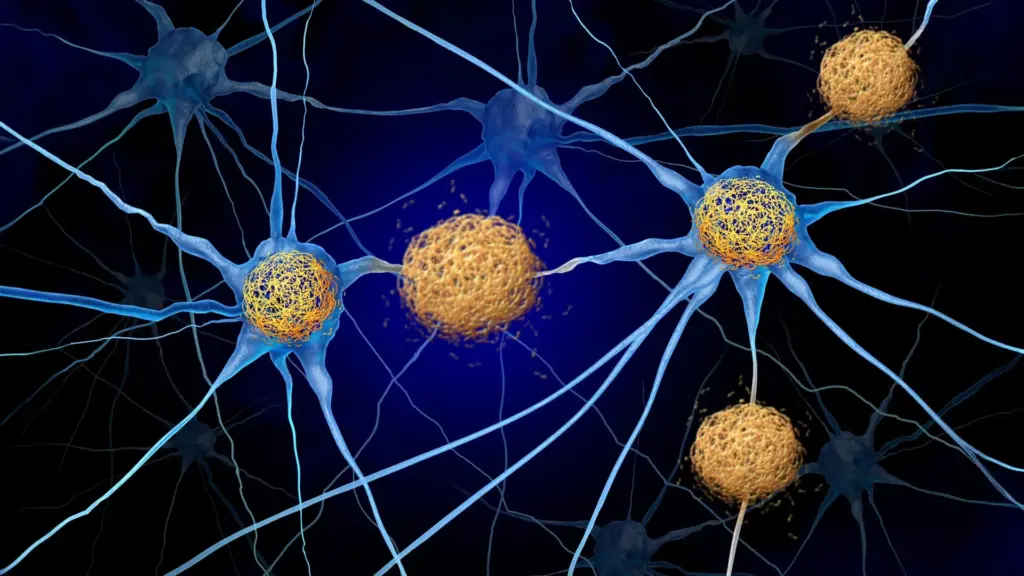
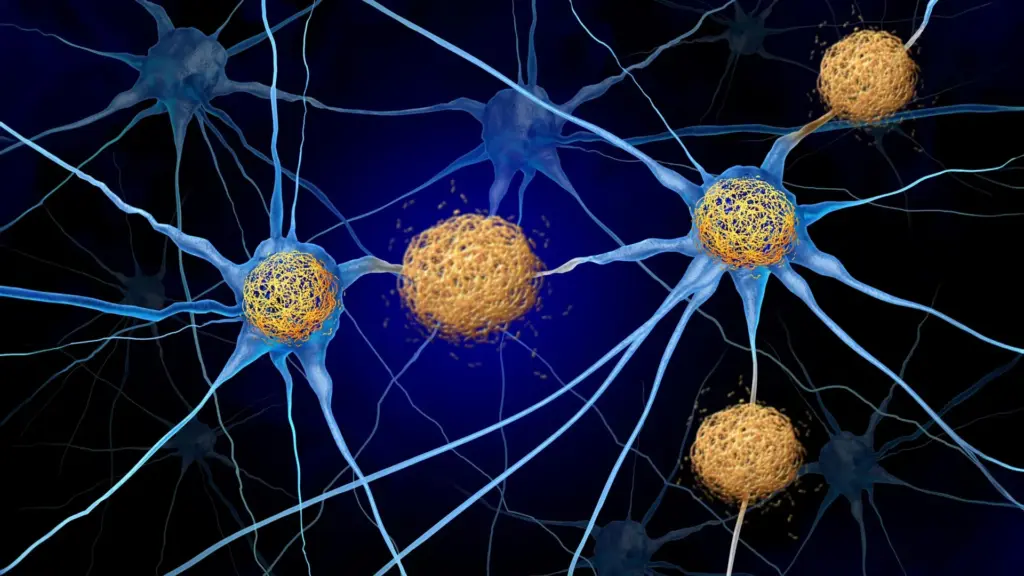
New Research Targets Immune Response to Halt Brain Cell Death in Alzheimer’s Disease

Protecting brain cells from the progressive destruction that characterizes Alzheimer’s disease and related neurodegenerative conditions remains one of the most formidable challenges in modern medicine. These disorders, collectively known as tauopathies, are marked by the accumulation of abnormal tangles of a protein called tau inside the brain. As these toxic tangles build up, neurons begin…

Read more
Standard

New Research Reveals Immune System’s Role in Alzheimer’s Brain Damage, Offering Potential New Treatment Path

For decades, the scientific community has been locked in a high-stakes race to identify the primary drivers of neurodegeneration in Alzheimer’s disease. While the accumulation of amyloid plaques and tau protein tangles has long been the primary focus of drug development, a groundbreaking study from the Washington University School of Medicine in St. Louis suggests…

Read more
Standard

New Genetic Clue Reveals How Some Defy Alzheimer’s Risk, Paving Path for Potential Treatments

For decades, one of the most confounding mysteries in neurology has been the "resilient carrier"—the individual who possesses the APOE ε4 gene, the most significant genetic risk factor for Alzheimer’s disease, yet remains cognitively sharp well into their 80s or 90s. While millions of people carry this genetic variant, which significantly increases the likelihood of…

Read more
Standard

Blocking Immune Response May Stop Alzheimer’s Brain Cell Loss, New Research Finds

Protecting brain cells from destruction remains one of the most formidable hurdles in modern medicine, particularly regarding Alzheimer’s disease and a spectrum of related neurodegenerative disorders known collectively as tauopathies. These conditions are characterized by the abnormal accumulation of "tau" protein tangles within the brain—a hallmark that has long been the primary target for diagnostic…

Read more
Standard

Breakthrough Discovery: Brain’s Immune Cells Identified as Key Culprit in Alzheimer’s-Related Sleep Loss

Scientists have uncovered a surprising and potentially reversible cause of sleep disruption in Alzheimer’s disease. In a study that challenges decades of conventional wisdom, researchers have discovered that the severe sleep problems associated with the condition are not primarily caused by the accumulation of amyloid plaques—the hallmark sticky protein deposits found in the brains of…

Read more
Standard

Genetic Shield: How a Rare Mutation Protects the Brain from Alzheimer’s

For decades, the field of Alzheimer’s research has been defined by a frustrating paradox. Scientists have long known that carrying the APOE ε4 gene variant—the strongest common genetic risk factor for Alzheimer’s—significantly increases an individual’s likelihood of developing the disease. Yet, among the millions of people who carry this variant, there exists a subset of…

Read more
Standard

Soy-Derived Compound Shows Promise in Mitigating Brain and Cardiovascular Damage from High-Salt Diets

Consuming too much salt is a staple concern of modern public health, primarily due to its well-established role in triggering hypertension and subsequent cardiovascular complications. However, emerging scientific evidence suggests that the impact of a high-sodium lifestyle extends far beyond the heart and blood vessels. Growing research indicates that excessive salt intake may also interfere…

Read more