






BREAKING NEWS
Applied Behavior Analysis Psychedelic Insight: Psilocybin Found to Selectively Mute Aggression in Mangrove Rivulus Fish 2 hours ago Child Development Youth-Associated Protein TIMP2 Found to Rejuvenate Aging Brain Immune Cells 2 hours ago Occupational Therapy The Silent Architects of Quality: Why Occupational Therapy is the Healthcare Team’s Ultimate Difference Maker 2 hours ago Speech and Language Therapy Speech and Language Kids Announces Expansion of Structured Curriculum to Transform SLP Workflows 2 hours ago Early Intervention Understanding Toddler Tantrums: Why Meltdowns Are a Crucial Part of Early Development 3 hours ago Assistive Technology Digital Inclusion Shift: Public Institutions Prepare for the 2026 ADA Title II Compliance Deadline 3 hours ago Sensory Processing Occupational Therapists Highlight Top Vision Books and Resources to Support Visual Processing and Academic Skills 3 hours ago Neurodiversity Rewriting the Autistic Relationship Manual: Cultural Metamorphosis and Ecologies of Care at Human Scale 3 hours ago Applied Behavior Analysis Psychedelic Insight: Psilocybin Found to Selectively Mute Aggression in Mangrove Rivulus Fish 2 hours ago Child Development Youth-Associated Protein TIMP2 Found to Rejuvenate Aging Brain Immune Cells 2 hours ago Occupational Therapy The Silent Architects of Quality: Why Occupational Therapy is the Healthcare Team’s Ultimate Difference Maker 2 hours ago Speech and Language Therapy Speech and Language Kids Announces Expansion of Structured Curriculum to Transform SLP Workflows 2 hours ago Early Intervention Understanding Toddler Tantrums: Why Meltdowns Are a Crucial Part of Early Development 3 hours ago Assistive Technology Digital Inclusion Shift: Public Institutions Prepare for the 2026 ADA Title II Compliance Deadline 3 hours ago Sensory Processing Occupational Therapists Highlight Top Vision Books and Resources to Support Visual Processing and Academic Skills 3 hours ago Neurodiversity Rewriting the Autistic Relationship Manual: Cultural Metamorphosis and Ecologies of Care at Human Scale 3 hours ago
Stories
Psychedelic Insight: Psilocybin Found to Selectively Mute Aggression in Mangrove Rivulus Fish
Youth-Associated Protein TIMP2 Found to Rejuvenate Aging Brain Immune Cells
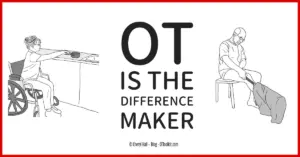
The Silent Architects of Quality: Why Occupational Therapy is the Healthcare Team’s Ultimate Difference Maker
Speech and Language Kids Announces Expansion of Structured Curriculum to Transform SLP Workflows
Understanding Toddler Tantrums: Why Meltdowns Are a Crucial Part of Early Development
Digital Inclusion Shift: Public Institutions Prepare for the 2026 ADA Title II Compliance Deadline
Occupational Therapists Highlight Top Vision Books and Resources to Support Visual Processing and Academic Skills
Rewriting the Autistic Relationship Manual: Cultural Metamorphosis and Ecologies of Care at Human Scale
The Aftermath of Cumulative Loss: Navigating Grief, Busyness, and the Duality of Survival
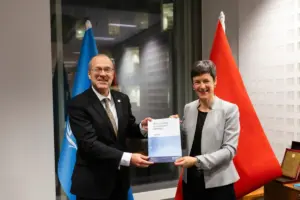
WHO and Switzerland Cement Long-Term Partnership with Renewal of Country Cooperation Strategy for 2024–2028

Tag: behavior

133 posts

Standard

Rethinking Alzheimer’s: Brain’s Immune Cells Identified as Key Culprit in Sleep Disruption

In a groundbreaking study that challenges decades of conventional wisdom, scientists have uncovered a surprising and potentially reversible cause for the chronic sleep disturbances that plague millions of individuals living with Alzheimer’s disease. By shifting the focus away from the amyloid plaques that have long dominated Alzheimer’s research, investigators at the University of Kentucky have…
Read more
Standard

Unlocking the Brain’s Shield: New Research Reveals How a Rare Genetic Mutation Defends Against Alzheimer’s

For decades, the medical community has grappled with a persistent and baffling mystery: why do some individuals, despite carrying the strongest known genetic risk factor for Alzheimer’s disease, remain cognitively sharp well into their eighties and nineties? While most carriers of the APOE ε4 gene variant face a statistically higher probability of developing the devastating…

Read more
Standard

Unlocking the Brain’s Natural Defenses: How a Rare Mutation May Shield Against Alzheimer’s

For decades, the medical community has grappled with a frustrating medical paradox: some individuals carry one of the most potent genetic risk factors for Alzheimer’s disease, yet they remain cognitively vibrant well into their eighties and beyond. These resilient individuals seem to possess a biological "shield" that renders them immune to the cognitive decline that…

Read more
Standard

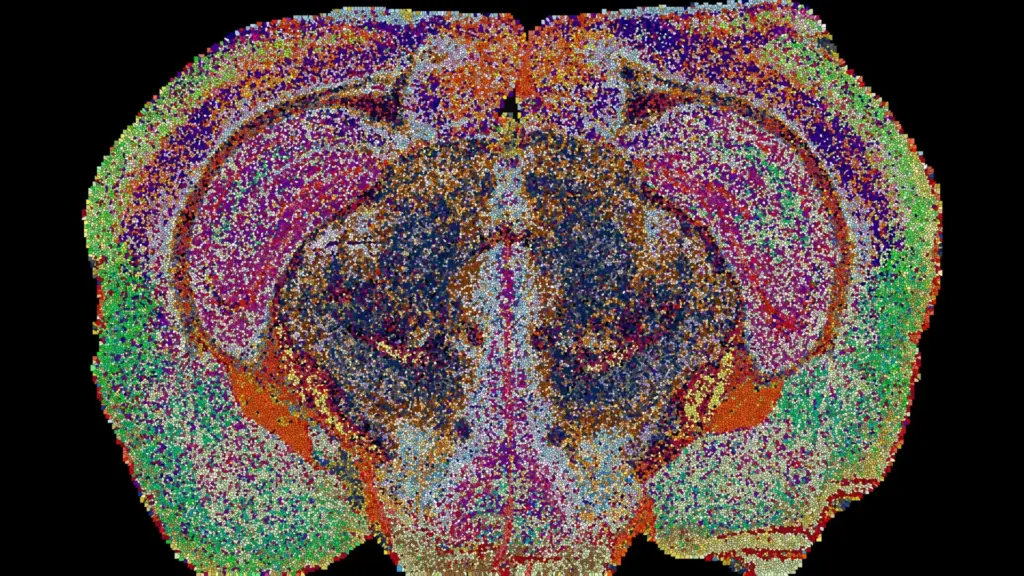
Decoding the Brain’s Chemical Architecture: Researchers Unveil the First Lipid Brain Atlas

For decades, the frontiers of neuroscience have been dominated by the study of the brain’s electrical signals, the architecture of its neuronal connections, and the complex expression of its genes and proteins. While these elements are undeniably central to our understanding of cognition and behavior, they represent only a portion of the biological story. Tucked…

Read more
Standard

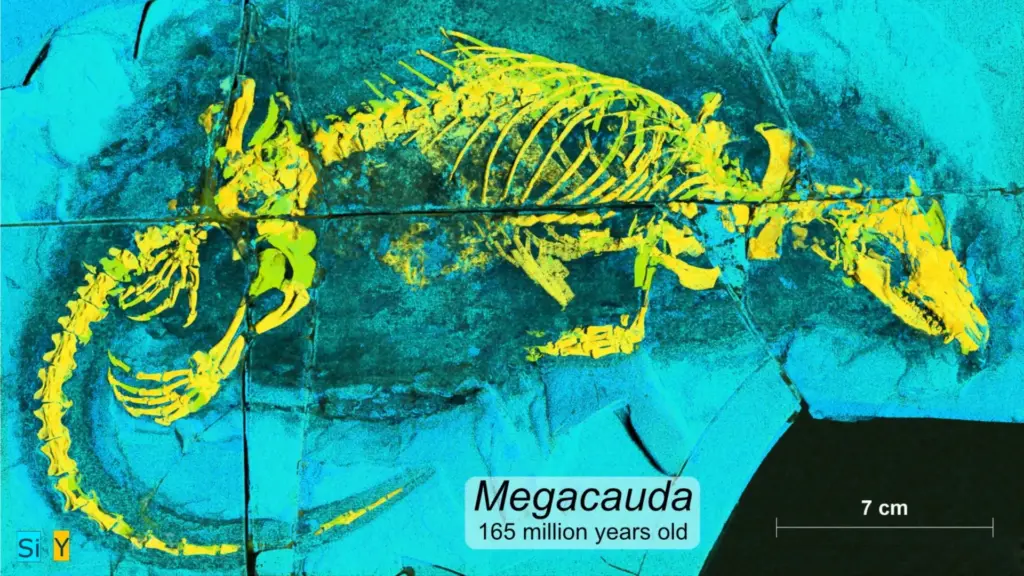
Jurassic "Giant": Ancient Aquatic Predator Rewrites the Evolutionary History of Mammals

A remarkable fossil discovery from the heart of Inner Mongolia is challenging long-held assumptions about the evolutionary timeline of mammals. Scientists have identified a 165-million-year-old predator, Megacauda sungei, whose sophisticated anatomy offers an unprecedented window into how early mammal relatives navigated the dangerous, dinosaur-dominated landscape of the Jurassic Period. Measuring approximately half a meter—or 20…

Read more
Standard

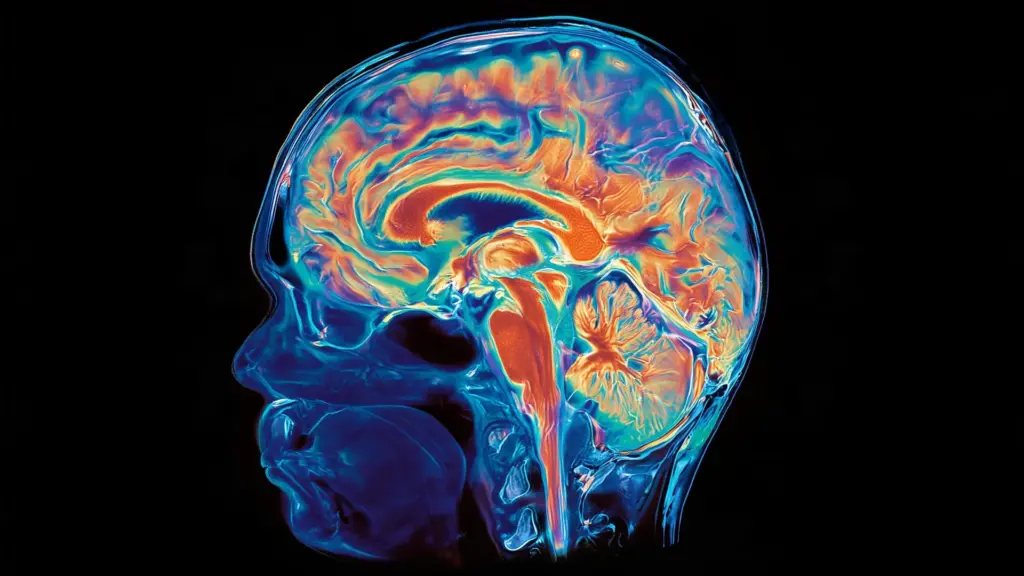
Brain Tissue Study Provides Breakthrough Evidence Linking Amyloid Clearance to Reduced Tau and Neurodegeneration

An unusually detailed and revelatory examination of a human brain has provided what researchers are calling some of the most compelling evidence to date that clearing amyloid plaques—a hallmark of Alzheimer’s disease—can offer a tangible protective effect against the secondary, more destructive processes that drive cognitive decline. The findings, presented at the 2026 Alzheimer’s Association…

Read more
Standard

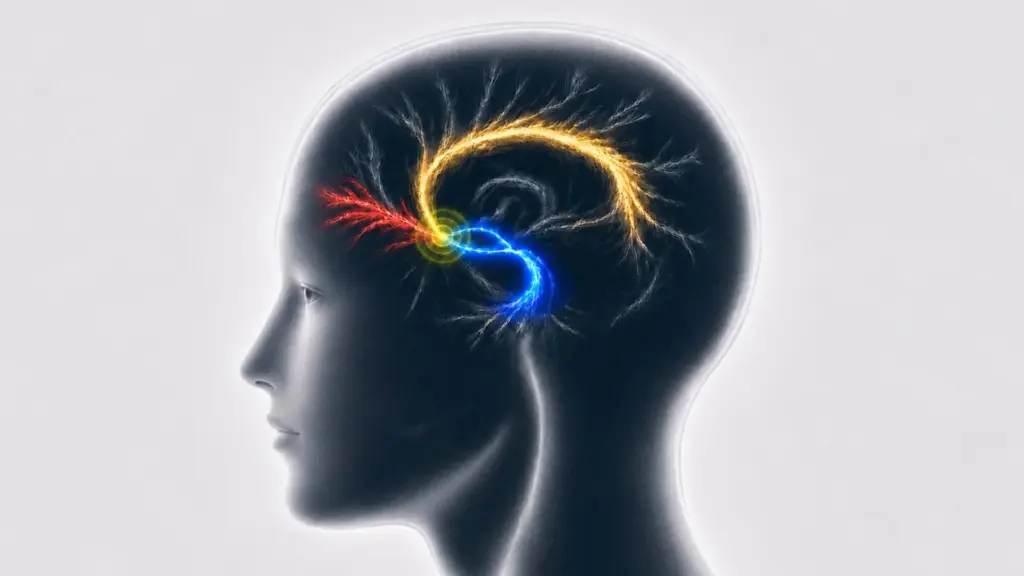
Mapping the Mind: New Study Identifies Critical Brain Connections for Treating Severe Depression

For patients suffering from treatment-resistant depression, the search for relief is often a grueling journey through failed medications, intensive therapy, and various experimental interventions. Among the most promising—and complex—of these interventions is deep brain stimulation (DBS), a surgical procedure that involves implanting electrodes to modulate specific neural circuits. Now, a team of researchers at Mount…

Read more
Standard

Psychedelic Compound Psilocybin Found to Curb Aggressive Behavior in Fish

Psilocybin, the psychoactive compound naturally occurring in more than 200 species of mushrooms—most notably those within the Psilocybe genus—has long been a subject of intense scientific fascination for its profound effects on the human mind. In mammals, the substance is known to interact with serotonin receptors, acting as a chemical modulator that can alter mood,…

Read more
Standard

Soy-Derived Compound Shows Promise in Mitigating Brain and Cardiovascular Damage from High-Salt Diets

Consuming excessive salt is a habit deeply embedded in modern dietary patterns across the globe, and for decades, public health authorities have warned of its clear link to hypertension and cardiovascular strain. However, emerging scientific evidence suggests that the dangers of a high-salt diet (HSD) extend far beyond the heart and blood vessels. Growing research…

Read more
Standard

Soy-Derived Compound Shows Promise in Mitigating Brain and Cardiovascular Damage from High-Salt Diets

Consuming too much salt is a staple concern of modern nutritional science, long recognized as a primary driver of hypertension and cardiovascular disease. However, emerging research suggests the health implications of a high-salt diet (HSD) extend far beyond blood pressure. Growing evidence indicates that excessive sodium intake may also interfere with critical cognitive functions, including…

Read more