





BREAKING NEWS
Applied Behavior Analysis Psychedelic Insight: Psilocybin Found to Selectively Mute Aggression in Mangrove Rivulus Fish 6 hours ago Child Development Youth-Associated Protein TIMP2 Found to Rejuvenate Aging Brain Immune Cells 6 hours ago Occupational Therapy The Silent Architects of Quality: Why Occupational Therapy is the Healthcare Team’s Ultimate Difference Maker 6 hours ago Speech and Language Therapy Speech and Language Kids Announces Expansion of Structured Curriculum to Transform SLP Workflows 6 hours ago Early Intervention Understanding Toddler Tantrums: Why Meltdowns Are a Crucial Part of Early Development 6 hours ago Assistive Technology Digital Inclusion Shift: Public Institutions Prepare for the 2026 ADA Title II Compliance Deadline 6 hours ago Sensory Processing Occupational Therapists Highlight Top Vision Books and Resources to Support Visual Processing and Academic Skills 6 hours ago Neurodiversity Rewriting the Autistic Relationship Manual: Cultural Metamorphosis and Ecologies of Care at Human Scale 6 hours ago Applied Behavior Analysis Psychedelic Insight: Psilocybin Found to Selectively Mute Aggression in Mangrove Rivulus Fish 6 hours ago Child Development Youth-Associated Protein TIMP2 Found to Rejuvenate Aging Brain Immune Cells 6 hours ago Occupational Therapy The Silent Architects of Quality: Why Occupational Therapy is the Healthcare Team’s Ultimate Difference Maker 6 hours ago Speech and Language Therapy Speech and Language Kids Announces Expansion of Structured Curriculum to Transform SLP Workflows 6 hours ago Early Intervention Understanding Toddler Tantrums: Why Meltdowns Are a Crucial Part of Early Development 6 hours ago Assistive Technology Digital Inclusion Shift: Public Institutions Prepare for the 2026 ADA Title II Compliance Deadline 6 hours ago Sensory Processing Occupational Therapists Highlight Top Vision Books and Resources to Support Visual Processing and Academic Skills 6 hours ago Neurodiversity Rewriting the Autistic Relationship Manual: Cultural Metamorphosis and Ecologies of Care at Human Scale 6 hours ago
Stories
Psychedelic Insight: Psilocybin Found to Selectively Mute Aggression in Mangrove Rivulus Fish
Youth-Associated Protein TIMP2 Found to Rejuvenate Aging Brain Immune Cells
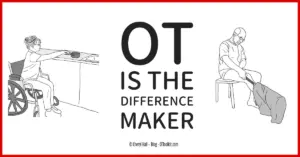
The Silent Architects of Quality: Why Occupational Therapy is the Healthcare Team’s Ultimate Difference Maker
Speech and Language Kids Announces Expansion of Structured Curriculum to Transform SLP Workflows
Understanding Toddler Tantrums: Why Meltdowns Are a Crucial Part of Early Development
Digital Inclusion Shift: Public Institutions Prepare for the 2026 ADA Title II Compliance Deadline
Occupational Therapists Highlight Top Vision Books and Resources to Support Visual Processing and Academic Skills
Rewriting the Autistic Relationship Manual: Cultural Metamorphosis and Ecologies of Care at Human Scale
The Aftermath of Cumulative Loss: Navigating Grief, Busyness, and the Duality of Survival
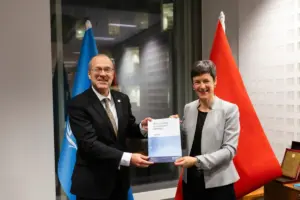
WHO and Switzerland Cement Long-Term Partnership with Renewal of Country Cooperation Strategy for 2024–2028

Tag: behavior

133 posts

Standard

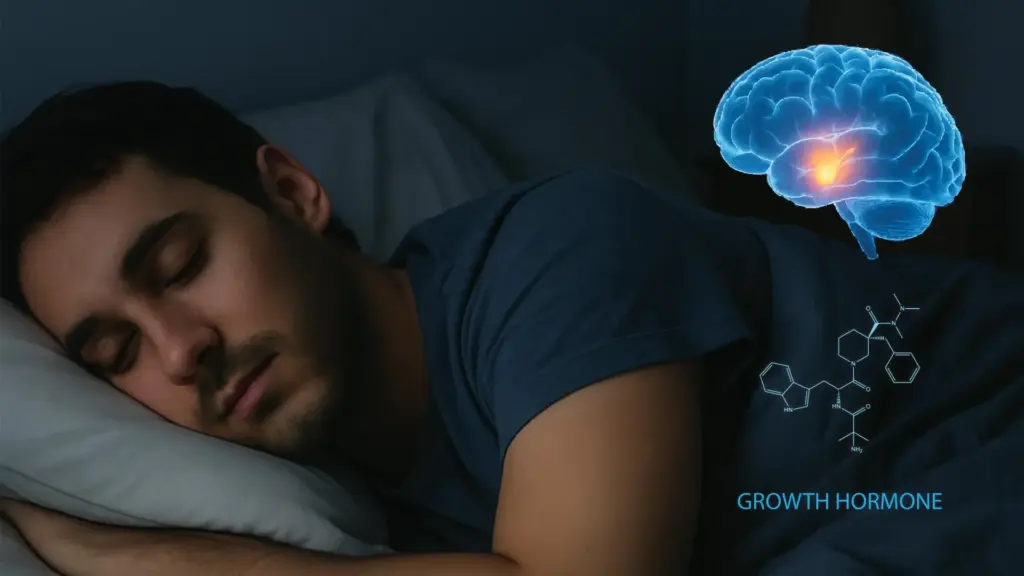
New Brain Circuit Discovery Reveals How Sleep Regulates Growth and Metabolism

A good night’s sleep is often described as restorative, but the biological reality is far more dynamic than simply "recharging." While we slumber, the body engages in a complex, high-stakes physiological process that is essential for long-term health. During deep, non-REM sleep, the body releases growth hormone—a powerful chemical messenger that does far more than…


Read more

Mapping the Mind: New Study Identifies Critical Brain Connections for Treating Severe Depression with Deep Brain Stimulation

Researchers at the Icahn School of Medicine at Mount Sinai have unveiled a significant breakthrough in the quest to refine deep brain stimulation (DBS) for patients suffering from treatment-resistant depression. By analyzing data from the largest multi-site cohort of patients to date, the team has identified three specific white matter pathways in the brain that,…

Read more
Standard

Psilocybin Found to Selectively Mute Aggressive Behavior in Mangrove Rivulus Fish

In a significant discovery that offers a new window into the neurobiology of social interaction, researchers have found that psilocybin—the psychoactive compound found in over 200 species of mushrooms—exerts a surprisingly specific influence on the behavior of aggressive fish. The study, published in the journal Frontiers in Behavioral Neuroscience, suggests that even a brief, low-dose…

Read more
Standard

Soy-Derived Compound Shows Promise in Mitigating Brain and Cardiovascular Damage from High-Salt Diets

The modern diet is increasingly defined by high levels of sodium, a trend that public health experts have long warned is a primary driver of global hypertension. While the cardiovascular risks of excess salt—such as stroke, heart disease, and chronic kidney damage—are well-documented, a growing body of scientific evidence suggests that the impact of a…

Read more
Standard

Beyond Awareness: Study Reveals the Unconscious Brain’s Hidden Language Processing Abilities

Even when a patient is fully submerged in the profound stillness of general anesthesia, the human brain remains a hive of activity. While the clinical definition of being "under" suggests a complete cessation of cognitive interaction with the world, groundbreaking research from Baylor College of Medicine reveals that the brain continues to perform remarkably sophisticated…

Read more
Standard

How Stress Rewires the Brain to Solidify Emotional Memories

Stress is a universal human experience, yet its impact on our internal lives—specifically our memory—remains a complex puzzle for neuroscientists. It is widely understood that stress influences our emotional state, but beyond the immediate feelings of tension or anxiety, it fundamentally alters what we remember. For years, scientists have recognized that cortisol, the primary hormone…

Read more
Standard

Yale Researchers Uncover How Stress Hormones Fine-Tune the Brain for Emotional Memory

Stress is a universal human experience, often dismissed as a mere nuisance or a source of anxiety. However, new research from Yale University suggests that stress serves a far more sophisticated and adaptive purpose than previously understood. For decades, scientists have recognized that cortisol—the primary hormone released by the body during high-pressure situations—acts as a…

Read more
Standard

The Hidden Mind: Baylor Researchers Discover Sophisticated Language Processing During General Anesthesia

Even when a patient is fully unconscious under the deep influence of general anesthesia, the human brain is far from dormant. A groundbreaking study conducted by researchers at Baylor College of Medicine has revealed that even in a state of total sedation, the brain continues to perform complex, high-level cognitive tasks, including the processing of…

Read more
Standard

The Unconscious Mind: Baylor Researchers Find the Brain Remains Active and Predictive Under Anesthesia

For decades, the state of general anesthesia has been equated with a total "switch-off" of the brain’s higher-order functions. When a patient is rendered unconscious for surgery, the medical assumption has been that the theater of the mind goes dark, ceasing its complex work of language processing and environmental monitoring. However, a groundbreaking new study…

Read more