







BREAKING NEWS
Applied Behavior Analysis Northwestern Researchers Identify Neural Mechanism Behind Cannabis-Induced Anxiety 2 hours ago Child Development Consistency Over Intensity: Why Daily Movement May Be the Secret to Better Sleep 2 hours ago Speech and Language Therapy Mastering the Art of Inquiry: New Approaches to Supporting Children and Teens in Communication Development 2 hours ago Mental Health and Psychology The Architecture of Despair: How Apocalyptic Narratives Strip Away Human Agency 2 hours ago Pediatric Healthcare World Health Day 2024: WHO Champions the Fundamental Right to Health for All 2 hours ago Learning Disabilities How a Rare Gene Mutation Connected a Boy’s Autism Diagnosis to Parkinson’s Disease Research 2 hours ago Neurodiversity Sowing the Seeds for Ecological and Intersectional Communal Wellbeing: Reframing Human Ways of Being Beyond the Colonial Paradigm 2 hours ago Behavioral Health Bridging the Divide: How Parents and Struggling Adult Children Can Transform Longstanding Conflicts 2 hours ago Applied Behavior Analysis Northwestern Researchers Identify Neural Mechanism Behind Cannabis-Induced Anxiety 2 hours ago Child Development Consistency Over Intensity: Why Daily Movement May Be the Secret to Better Sleep 2 hours ago Speech and Language Therapy Mastering the Art of Inquiry: New Approaches to Supporting Children and Teens in Communication Development 2 hours ago Mental Health and Psychology The Architecture of Despair: How Apocalyptic Narratives Strip Away Human Agency 2 hours ago Pediatric Healthcare World Health Day 2024: WHO Champions the Fundamental Right to Health for All 2 hours ago Learning Disabilities How a Rare Gene Mutation Connected a Boy’s Autism Diagnosis to Parkinson’s Disease Research 2 hours ago Neurodiversity Sowing the Seeds for Ecological and Intersectional Communal Wellbeing: Reframing Human Ways of Being Beyond the Colonial Paradigm 2 hours ago Behavioral Health Bridging the Divide: How Parents and Struggling Adult Children Can Transform Longstanding Conflicts 2 hours ago
Stories
Northwestern Researchers Identify Neural Mechanism Behind Cannabis-Induced Anxiety
Consistency Over Intensity: Why Daily Movement May Be the Secret to Better Sleep
Mastering the Art of Inquiry: New Approaches to Supporting Children and Teens in Communication Development
The Architecture of Despair: How Apocalyptic Narratives Strip Away Human Agency
World Health Day 2024: WHO Champions the Fundamental Right to Health for All
How a Rare Gene Mutation Connected a Boy’s Autism Diagnosis to Parkinson’s Disease Research
Sowing the Seeds for Ecological and Intersectional Communal Wellbeing: Reframing Human Ways of Being Beyond the Colonial Paradigm
Bridging the Divide: How Parents and Struggling Adult Children Can Transform Longstanding Conflicts
Federal Officials Launch National Initiative to Make Community Gardens Accessible for People with Disabilities and Older Adults
WHO and the Netherlands Strengthen Strategic Partnership to Address Global Health Challenges and Secure Sustainable Financing

Tag: brain

252 posts

Standard

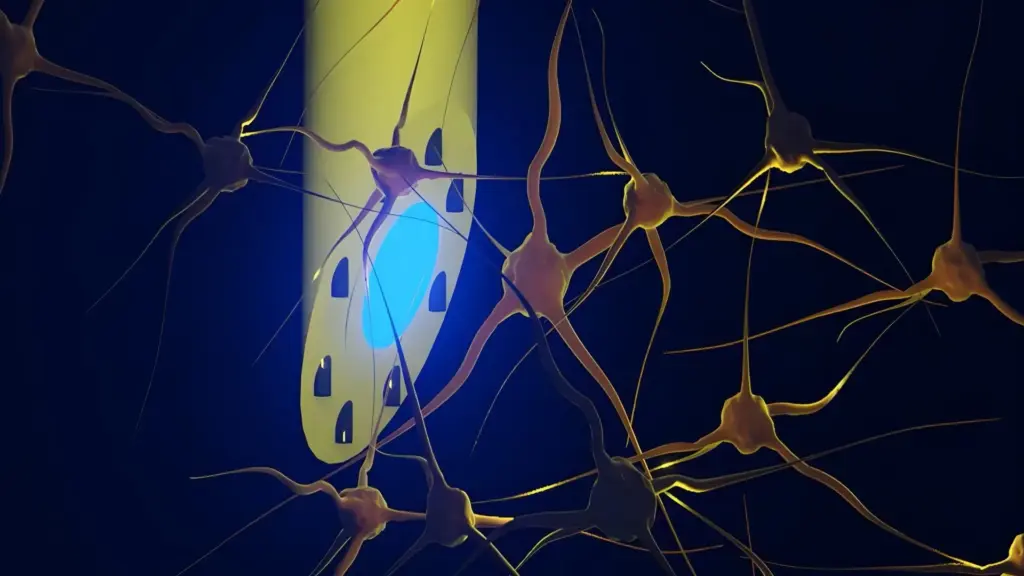
New Microfluidic "Axialtrode" Implant Offers Breakthrough in Precise Brain Mapping and Therapy

A revolutionary leap in neurotechnology has emerged from an international collaboration between the Technical University of Denmark (DTU), the University of Copenhagen, and University College London. Researchers have successfully developed a cutting-edge, needle-thin brain implant capable of unprecedented multi-modal interaction with neural tissue. Known as the microfluidic Axialtrode (mAxialtrode), this device promises to transform how…
Read more
Standard

New Alzheimer’s Research Reveals How APOE4 Genetic Risk Alters Brain Function Early in Life

For millions of people worldwide, the APOE4 gene variant represents the most significant genetic risk factor for the development of Alzheimer’s disease. While the correlation between this gene and the eventual onset of dementia has been well-documented for decades, the precise mechanisms of how it initiates the long-term decline of cognitive health have remained shrouded…

Read more
Standard

Scientists Uncover the Biological "Scar" of Childhood Trauma in the Brain

Severe stress experienced during childhood acts as a silent architect of the human brain, fundamentally altering its blueprint and increasing a person’s lifelong vulnerability to anxiety, depression, and other mood disorders. For decades, clinicians and researchers have observed the correlation between early-life adversity and later mental health struggles, yet the precise biological mechanism behind this…

Read more
Standard

Living Life in "Hard Mode": The Fight for Autistic Culture, Rights-Centric Education, and the Blind Spots of Modern Policy

In the current edition of the Aotearoa New Zealand Autism Guideline, the existence of Autistic culture is not mentioned with a single word. Despite major updates that reflect a growing awareness of neurodiversity—including ongoing advocacy toward a comprehensive ban on Applied Behaviour Analysis (ABA) and related forms of conversion therapy—understanding Autistic people and Autistic culture…

Read more
Standard

Beyond the ‘Sandwich Model’: New Research Challenges How We Think About Brain Decision-Making

For decades, the standard narrative regarding the human brain has been one of sequential efficiency: we perceive the world, we deliberate on that information, and finally, we execute an action. It is a model that feels intuitively correct, mirroring our personal experience of weighing desires, beliefs, and intentions before choosing a path. However, according to…

Read more
Standard

Beyond the WEIRD Spectacle: How Neurodivergent Perspectives Challenge the Growth-Obsessed Empire

In the Western, Educated, Industrialized, Rich, and Democratic world—collectively known as the WEIRD sphere—society operates precisely within what French philosopher Guy Debord once attempted to describe as "The Society of the Spectacle." Within this framework, the reality presented to the public via mass media and social platforms has been meticulously engineered to fit the exacting…

Read more
Standard

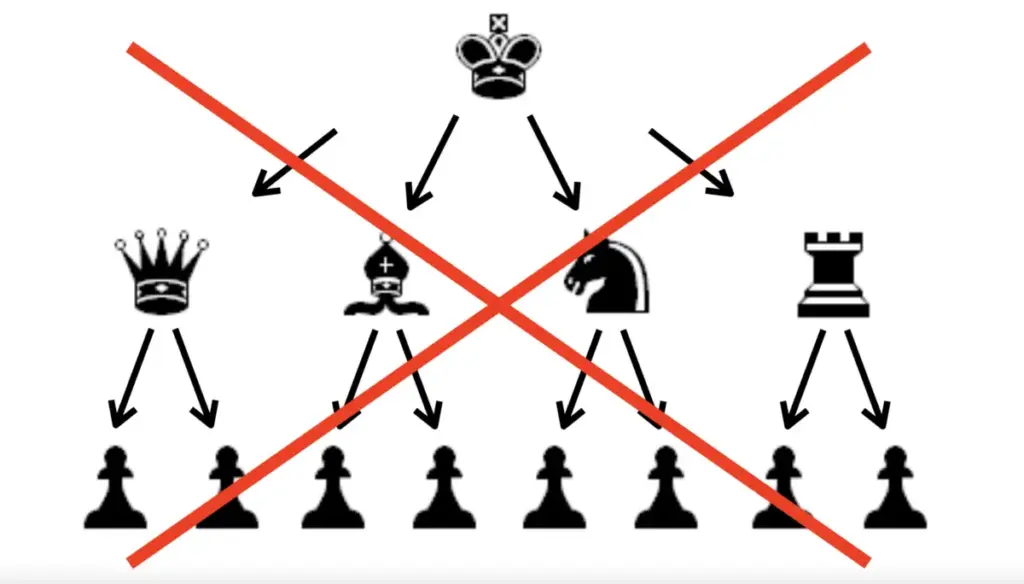
Beyond Hierarchies: How Autistic Culture and Relational Living Challenge the State Religion of "Homo Economicus"

Many autistic individuals experience profound difficulty in perceiving or navigating the world through hierarchical frameworks. According to contemporary insights into human evolutionary paths and neurodiversity, this cognitive trait reflects innate human collaborative cultural capabilities combined with a significantly reduced capacity to sustain ongoing cognitive dissonance. This reduced tolerance for contradiction stems from uncommon sensory and…

Read more
Standard

Injectable Biomaterial Offers New Hope for Brain Tissue Repair After Ischemic Stroke

Biomedical engineers at Duke University have achieved a significant milestone in regenerative medicine, developing an injectable biomaterial that shows promise in helping the brain recover from the debilitating effects of an ischemic stroke. In a study published in the journal Cell Biomaterials, researchers demonstrated that by transforming the cavity left behind by lost brain tissue…

Read more
Standard

Beyond the "Lizard Brain": New Research Challenges Long-Held Myths About How Our Brains Evolved

For generations, the popular understanding of the human brain has been framed by a compelling but increasingly contested narrative: a struggle between the cold, calculated logic of the "higher" brain and the primal, impulsive urges of the "lizard brain." This metaphor suggests that our evolutionary journey involved stacking sophisticated, rational layers—like the neocortex—atop an ancient,…

Read more