






BREAKING NEWS
Applied Behavior Analysis New Research Suggests the Brain’s Survival Mechanism May Blur the Lines Between Safety and Danger 4 hours ago Child Development New Research Debunks Myths About Reading Struggles, Pointing to Auditory and Knowledge-Based Skills 4 hours ago Occupational Therapy Global Community Prepares to Honor World Occupational Therapy Day 2026 4 hours ago Speech and Language Therapy Speech and Language Kids Announces Expansion of Structured Curriculum to Transform SLP Workflow 4 hours ago Mental Health and Psychology The Paradox of Affection: Questioning the Cultural Normalization of Dog Ownership 4 hours ago Pediatric Healthcare The Dual Challenge: Navigating the Pandemic and the Global Infodemic 4 hours ago Assistive Technology Higher Education Faces a Pivotal Choice as AI Threatens to Codify Exclusion for Students with Disabilities 4 hours ago Sensory Processing Empowering Children Through Emotional Regulation: The Impact of "Size of the Problem" Strategies 4 hours ago Applied Behavior Analysis New Research Suggests the Brain’s Survival Mechanism May Blur the Lines Between Safety and Danger 4 hours ago Child Development New Research Debunks Myths About Reading Struggles, Pointing to Auditory and Knowledge-Based Skills 4 hours ago Occupational Therapy Global Community Prepares to Honor World Occupational Therapy Day 2026 4 hours ago Speech and Language Therapy Speech and Language Kids Announces Expansion of Structured Curriculum to Transform SLP Workflow 4 hours ago Mental Health and Psychology The Paradox of Affection: Questioning the Cultural Normalization of Dog Ownership 4 hours ago Pediatric Healthcare The Dual Challenge: Navigating the Pandemic and the Global Infodemic 4 hours ago Assistive Technology Higher Education Faces a Pivotal Choice as AI Threatens to Codify Exclusion for Students with Disabilities 4 hours ago Sensory Processing Empowering Children Through Emotional Regulation: The Impact of "Size of the Problem" Strategies 4 hours ago
Stories
New Research Suggests the Brain’s Survival Mechanism May Blur the Lines Between Safety and Danger
New Research Debunks Myths About Reading Struggles, Pointing to Auditory and Knowledge-Based Skills
Global Community Prepares to Honor World Occupational Therapy Day 2026
Speech and Language Kids Announces Expansion of Structured Curriculum to Transform SLP Workflow
The Paradox of Affection: Questioning the Cultural Normalization of Dog Ownership
The Dual Challenge: Navigating the Pandemic and the Global Infodemic
Higher Education Faces a Pivotal Choice as AI Threatens to Codify Exclusion for Students with Disabilities
Empowering Children Through Emotional Regulation: The Impact of "Size of the Problem" Strategies
New Comprehensive Voting Guide Empowers Voters with Disabilities Ahead of Midterm Elections
Finding Your Voice Through Resistance: How Intentional Living Navigates Uncertainty, Grief, and Growth

Tag: development

246 posts

Standard

Healthy Habits May Boost Mental Resilience by Strengthening Psychological Flexibility, Study Finds

In an era defined by rapid change and high-pressure environments, the ability to recover from setbacks—often termed resilience—has become a vital trait for success and well-being. While many people attribute this capacity to bounce back to innate personality traits, new research from Binghamton University suggests that the foundation of a resilient mind may be rooted…

Read more
Standard

Beyond the Turing Test: Why Humans Still Draw a Hard Line on AI Consciousness

As artificial intelligence systems grow increasingly sophisticated, the lines between human interaction and machine processing are blurring at an unprecedented rate. Modern AI models are now capable of misleading users, collaborating on complex tasks, and seemingly pursuing independent goals with a level of proficiency that was once the domain of science fiction. These behaviors often…

Read more
Standard

Yale Researchers Uncover How Stress Hormones Fine-Tune the Brain for Emotional Memory

Stress is a universal human experience, often viewed primarily as a disruptive force that clouds judgment or hinders performance. However, for years, neuroscientists have suspected that stress serves a more nuanced, evolutionary purpose. It is well-documented that the physiological "fight or flight" response—driven by a cascade of hormones, most notably cortisol—can dramatically alter the way…

Read more
Standard

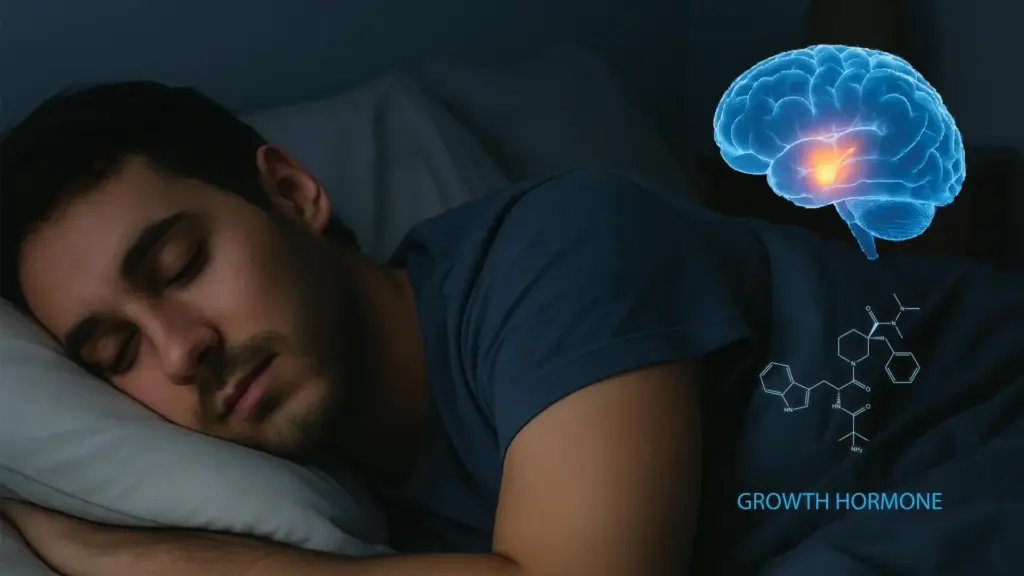
Decoding the Brain’s Internal Clock: How Sleep and Growth Hormone Orchestrate Our Biology

A good night’s sleep is often described as the foundation of health, but for years, the biological mechanisms that turn rest into physical restoration remained somewhat mysterious. Beyond the subjective feeling of being "refreshed," deep sleep serves as a vital physiological engine. During these restorative hours, the body initiates the release of growth hormone—a potent…

Read more
Standard

Bridging the Divide: How Modern Neuroscience is Validating Centuries-Old Psychoanalytic Insights

For more than 130 years, the theories of Sigmund Freud have occupied a contentious space in the scientific landscape, often viewed as either foundational to our understanding of the human psyche or relegated to the margins of empirical science. However, a groundbreaking scientific analysis published in the journal Entropy suggests that the divide between the…

Read more
Standard

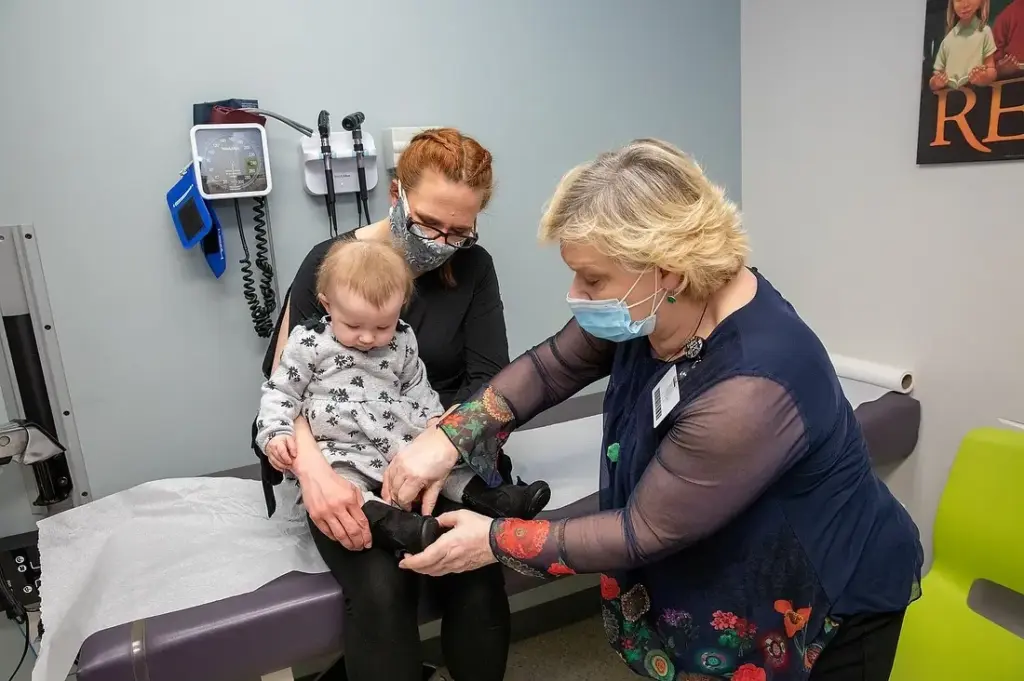
ZERO TO THREE Expands Comprehensive Early Childhood Resource Center to Support Babies, Families, and Professionals

For more than four decades, the organization ZERO TO THREE has stood at the forefront of advocacy, research, and support for the mental health and well-being of young children. Building upon this extensive history, the organization continues to broaden its reach through the ZERO TO THREE Early Childhood Resource Center, an expansive digital and community…

Read more
Standard

Beyond the Plaque: New Evidence Links Modest Daily Walking to Reduced Alzheimer’s Risk

A compelling new study has challenged long-standing assumptions about how physical activity influences brain health, suggesting that even modest amounts of daily movement may provide a vital shield against the progression of Alzheimer’s disease. While the scientific community has spent decades focused on the removal of toxic amyloid plaques as the primary goal of dementia…

Read more