






World Health Organization Director-General Dr Tedros Adhanom Ghebreyesus traveled to Spain to join the nation’s leadership in paying solemn homage to the individuals who have lost their lives to COVID-19. During his visit, Dr Tedros saluted the extraordinary, heroic efforts of health workers on the front lines and praised the Spanish government’s resolute, robust response, which successfully reversed the aggressive transmission of the virus within its borders.
The visit served as a moment of national reflection and international recognition. At the highest levels of government, the WHO chief stood alongside the King of Spain, the Prime Minister, and members of the broader administration to honor the memories of those who fell victim to the global pandemic. The solemn gathering underscored the heavy toll the health crisis took on the European nation during its darkest periods, while also acknowledging the remarkable turnaround achieved through collective sacrifice and strategic public health interventions.
"It is with great respect that I join the King of Spain, the Prime Minister, and the entire government of the country to pay tribute to the people who have fallen victim to COVID-19," said Dr Tedros during his address. Offering words of solace to those left behind, he added, "I extend my deepest condolences to the families of all people who have lost their lives due to this virus in Spain, and around the world."
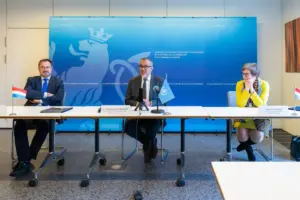
The journey to this point of recognition has been arduous. At one critical juncture in the global health emergency, Spain stood among the nations most severely impacted by the rapid spread of COVID-19. The sheer scale of the outbreak overwhelmed healthcare facilities, placed immense pressure on medical professionals, and gripped the nation with fear and uncertainty. At the absolute peak of the outbreak’s destructive wave, close to 10,000 new cases were reported in a single day across the country, stretching resources to their absolute limits and demanding immediate, extraordinary intervention from public health authorities.
Faced with this unprecedented crisis, the nation mounted a massive, coordinated defense. Intensive efforts, spearheaded by robust surveillance systems, widespread testing, meticulous contact tracing, specialized treatment protocols, and effective isolation measures, gradually turned the tide. These comprehensive public health measures were designed not only to treat those already infected but also to break the chains of transmission circulating within communities.
Dr Tedros emphasized that this dramatic shift in the trajectory of the outbreak was primarily driven by decisive political leadership shown by Spain and the extraordinary resolve demonstrated by the Spanish public. Citizens across the country willingly adhered to strict, restrictive measures, including mandatory lockdowns, rigorous physical distancing protocols, and a host of other critical guidelines implemented to contain community transmission. These collective efforts, combining top-down governmental action with bottom-up civic responsibility, fundamentally changed the course of the country’s outbreak and prevented further devastation.
The success in Spain serves as a powerful testament to what can be achieved when governance and community alignment work in tandem during a public health emergency. Dr Tedros noted that the nation’s experience offers a vital lesson for the global community facing similar crises, proving that proactive management and steadfast public compliance can alter the course of a pandemic regardless of how severe local transmission rates may appear.
"Spain has shown that with political leadership and action, backed by community support, that COVID-19 can be controlled, no matter at what stage virus transmission is at in a country," Dr Tedros added, highlighting the significance of the nation’s turnaround. "From being greatly challenged, Spain has reversed the trajectory of the outbreak."
Despite the undeniable successes achieved in suppressing the virus, the WHO leadership and Spanish authorities remain acutely aware that the threat has not entirely vanished. The global health landscape continues to be shaped by the persistent nature of the coronavirus, requiring ongoing vigilance, preparedness, and adaptability from nations that have successfully beaten back their initial waves.
Concluding his remarks on the importance of continued caution, Dr Tedros expressed his full backing for the ongoing strategies implemented by national leaders. "While we have witnessed the suppression of the virus across Spain, I support the commitment by Spanish authorities to remain vigilant in the face of the persistent threat that COVID-19 poses," he stated, reinforcing the message that the fight against the pandemic requires sustained attention even in times of recovery.
The high-level visit concluded with renewed expressions of solidarity between the World Health Organization and the Kingdom of Spain, as the nation continues to navigate the post-peak phase of the health crisis with a steadfast commitment to public safety, health worker appreciation, and international cooperation.