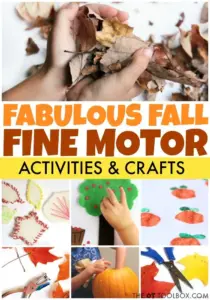






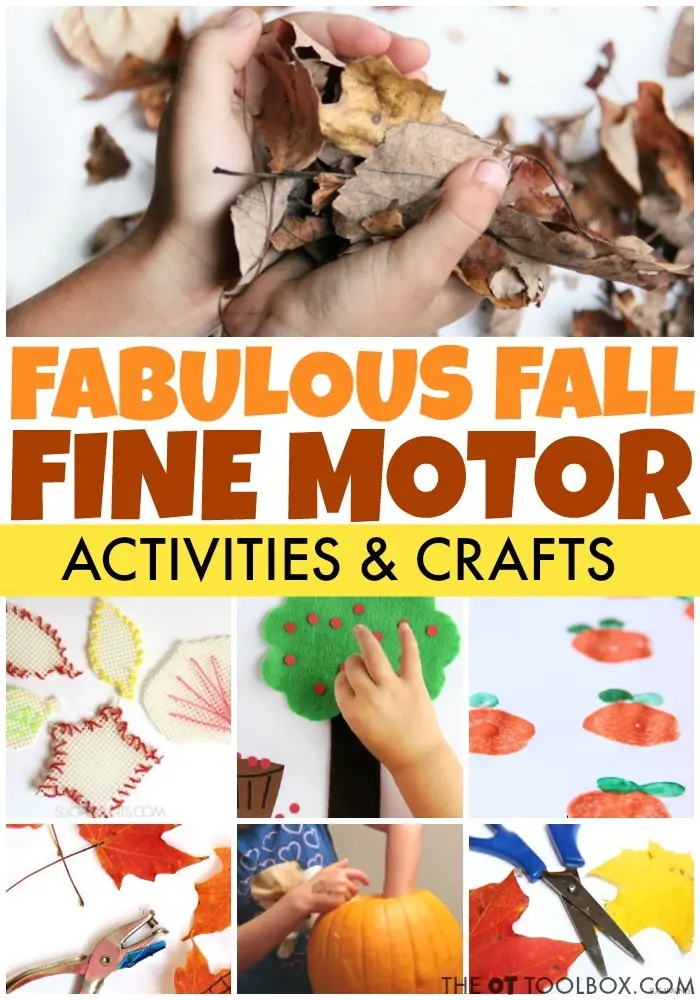
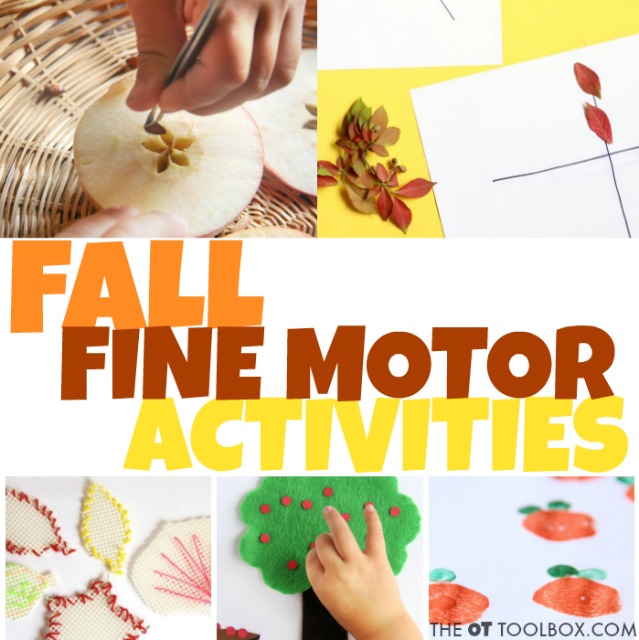
As the autumn season arrives, bringing with it changing foliage, crisp air, and ubiquitous seasonal motifs, pediatric occupational therapists and educators are presented with a natural array of themes to support child development. Rather than selecting seasonal activities purely for festive engagement, professionals and parents are increasingly utilizing apples, leaves, pumpkins, acorns, and farm-themed materials to target specific, foundational fine motor needs.
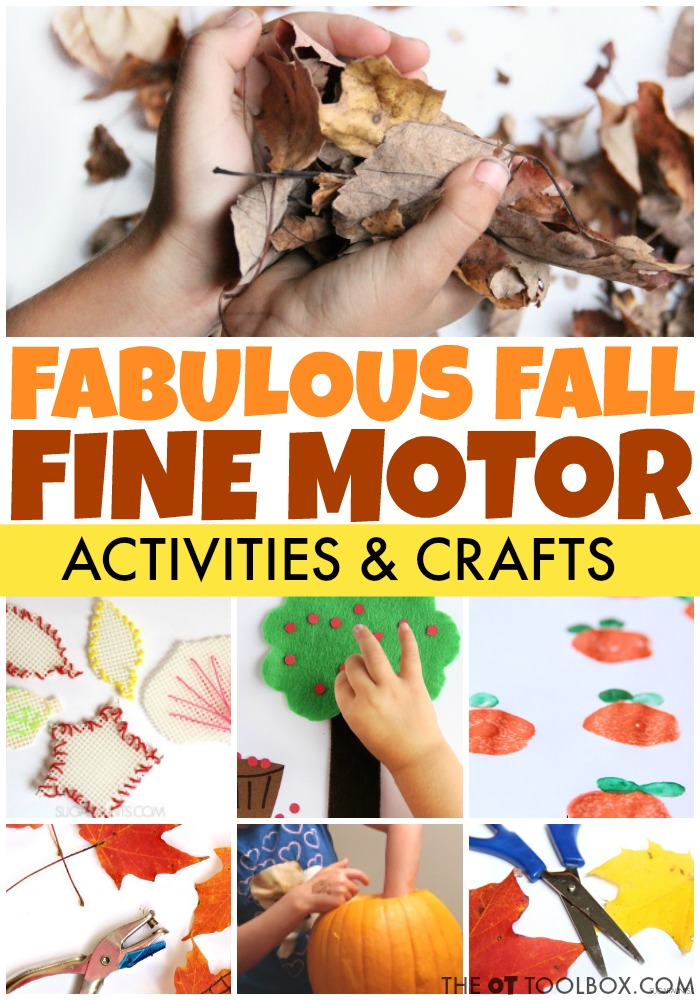
Recent frameworks highlight how autumn-themed resources can systematically address core developmental areas, including hand strength, finger dexterity, scissor proficiency, visual-motor integration, and handwriting mechanics. Many seasonal tasks naturally overlap across multiple skill domains, allowing therapists to adapt activities flexibly depending on the specific developmental profile of a child.
Integrating Seasonal Materials into Developmental Strategies
The transition into fall offers a rich sensory landscape that can be seamlessly incorporated into therapy sessions and play-based learning. From the tactile feedback of squishy play dough to the resistance offered by elastic bands and hole punches, seasonal objects provide organic opportunities to encourage tripod grasps, toddler-appropriate fine motor tasks, and broader occupational therapy objectives.

Practitioners utilizing these methods often draw upon comprehensive seasonal toolkits, such as specialized sensory booklets that promote both fine and gross motor movements through family-friendly autumn experiences. By engaging children in sensory-rich environments, such activities encourage physical development while maintaining a playful, low-pressure atmosphere.
Fall Hand Strength Activities
Hand strength remains a critical prerequisite for daily functional tasks, ranging from fastening clothing to manipulating writing utensils. When intrinsic hand muscles are underdeveloped, children often experience fatigue or difficulty with precise motor control. Autumn-themed interventions offer targeted resistance to build strength in the hands and fingers.
One prominent approach involves the use of apple geoboards, where children recreate specific apple designs by stretching rubber bands across pegboards. The physical act of pulling and positioning the bands provides graded resistance to the fingers and hands while demanding precision and controlled release. This activity simultaneously supports bilateral coordination, visual-motor skills, and motor planning. Therapists can easily modify the challenge by introducing thicker, higher-resistance bands or simplifying the visual design if spatial demands become overly complex.
Play dough represents another versatile medium for hand strengthening regardless of the season. The resistive nature of the material naturally engages the small muscles of the hands through rolling, squeezing, pinching, and pressing. These actions serve as effective finger and grip strength exercises that deliver proprioceptive sensory feedback alongside tactile stimulation. To elevate the therapeutic value, professionals often embed small autumn-themed items—such as miniature leaves, plastic erasers, or colored beads—within the dough, or utilize printable templates to guide children in forming seasonal shapes.
Similarly, apple-themed hole-punch activities engage sustained hand force while incorporating a visual-motor component. By drawing or printing an apple outline and instructing a child to punch holes precisely along the perimeter, therapists can observe and build continuous hand closure strength and spatial awareness.
Enhancing Manual Dexterity Through Fall Manipulatives
Manual dexterity requires the efficient, coordinated movement of the fingers to execute small, precise actions. When dexterity breaks down, children often struggle with speed, precision, and finger isolation. Autumn provides an abundance of manipulatives—including craft pom-poms, seeds, mini erasers, paper clips, and small craft items—that transform routine tasks into exercises in finger manipulation.
Fall tree geoboards utilize rubber bands looped around individual pegs to encourage children to use their fingertips rather than grasping with the entire hand. This precise fingertip manipulation, stretching, and repositioning fosters fine motor coordination and control.
Apple paper clip counting activities offer another portable, print-and-go solution. By attaching a specified number of paper clips to laminated apple counting cards, children practice precise fingertip movements and bilateral hand stabilization, where one hand holds the card steady while the dominant hand manipulates the fastener. This combination addresses fingertip precision, dexterity, eye-hand coordination, and foundational number concepts simultaneously.
Additionally, fall pom-pom transfer tasks utilize tongs or tweezers to move autumn-colored pom-poms into ice cube trays, muffin tins, or compartmentalized containers. Therapists can easily grade the difficulty of this activity by altering the size of the pom-poms or changing the gripping tools to modify the required level of precision.
Scissor Skills and Cut-and-Paste Mechanics
Proficiency with scissors requires complex bilateral coordination, where the dominant hand opens and closes the blades while the stabilizing hand rotates and positions the paper. Fall-themed cutting practice pages provide structured visual paths that guide children through line-following exercises.
When children cut along lines or snip seasonal leaves, occupational therapists evaluate several mechanical indicators, observing how the child manages hand positioning, paper rotation, and blade control. For children living in regions with natural autumn foliage, actual leaves can be incorporated into cutting tasks to practice snipping shapes or reducing leaves into small fragments. In areas without changing foliage, paper leaves serve as an effective alternative.
Farm-themed and seasonal cut-and-paste crafts further expand these demands by incorporating executive functioning and visual-spatial skills. Beyond the physical act of cutting, children must visually analyze where individual pieces belong, orient them correctly, follow a multi-step assembly sequence, and apply adhesive to secure the final composition.
Visual-Motor Integration in Autumn Tasks
Visual-motor integration bridges visual perception with motor output. Children frequently possess adequate hand strength and dexterity, yet encounter difficulties when tasks require them to copy designs, follow linear paths, locate specific targets, or coordinate visual input with hand movements.
Fall directed drawing activities address this need by asking children to reproduce seasonal shapes such as acorns, leaves, apples, and pumpkins. By observing a visual model and replicating its spatial relationships on paper, children practice pencil control and line positioning.
Similarly, fall pattern block activities combine fine motor manipulation with visual discrimination and spatial awareness, requiring children to select the correct geometric pieces, determine their proper orientation, and position them relative to neighboring components.
Visual scanning, figure-ground perception, and sustained attention are heavily engaged through fall "I Spy" and seek-and-find printables. Therapists often enhance the fine motor aspect of these visual tasks by having children circle found items, cover them with small manipulatives, or attach clothespins to corresponding pictures along the page margins.
Contextual Handwriting Practice
Rather than relying solely on isolated letter drills, educators and therapists frequently integrate handwriting practice into meaningful contextual tasks using seasonal writing prompts. These resources allow practitioners to tailor writing expectations to the developmental stage of the individual child.
Emerging writers may focus on producing a single autumn-related vocabulary word, while beginning writers construct a complete sentence. Developing writers can respond to short seasonal prompts, and older students are encouraged to plan and draft structured paragraphs. This flexible approach allows a single set of prompts to accommodate diverse caseload requirements while emphasizing line awareness, spacing, letter size, formation, and writing endurance.
No-Prep and Natural Yard Activities
Beyond structured printables and membership resources, everyday natural items found outdoors or in the home provide immediate opportunities for fine motor intervention. Leaves can be torn, crumpled, punched, cut, sorted, or strung onto yarn. Acorns and pinecones can be picked up with tongs, sorted by size, counted, or transferred between containers.
Household items like clothespins offer a practical mechanism for strengthening when children attach paper "leaves" to a cardboard tree structure. Similarly, plastic bread ties collected from grocery items can be manipulated and managed during crafting activities to build finger strength and dexterity.
As pediatric professionals and educators plan their seasonal curricula, the integration of targeted autumn activities offers a practical means to support foundational motor skills. By aligning festive seasonal themes with specific occupational therapy objectives, children are provided with engaging, meaningful opportunities to develop the strength, dexterity, and coordination necessary for academic and daily living success.