






The World Health Organization (WHO) has formally expressed its deep regret regarding the United States’ notification of its intent to withdraw from the organization, a move that the international health body warns could diminish global safety and weaken the collaborative infrastructure essential for addressing future health threats. As a founding member of the WHO, the United States has historically played a pivotal role in the organization’s most significant achievements, including the monumental task of eradicating smallpox and making sustained progress against complex public health challenges such as HIV, polio, Ebola, influenza, tuberculosis, malaria, and the growing crisis of antimicrobial resistance.
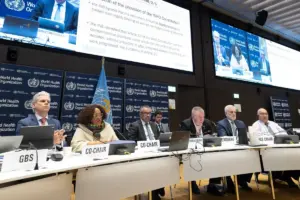
The formal notification of withdrawal from the United States has initiated a complex diplomatic and procedural process. These developments are slated for extensive review by the WHO Executive Board during its upcoming session beginning on February 2, with further deliberations expected at the World Health Assembly’s annual meeting in May 2026. The departure of such a significant contributor poses substantial questions regarding the future of international health cooperation and the stability of the global health architecture that the WHO oversees.
In its recent statements, the United States government has leveled sharp criticisms at the organization, alleging that the WHO has been "trashed and tarnished," insulted, and that its institutional independence has been compromised. The WHO has firmly rejected these characterizations. In its response, the organization emphasized that it has consistently engaged with the United States—as it does with every other member state—in good faith and with a steadfast commitment to respecting national sovereignty. The WHO maintains that the allegations of bias or political subservience are unfounded and contradict the organization’s mandate to serve all nations impartially.
A central pillar of the U.S. decision to withdraw hinges on the contention that the WHO failed during the COVID-19 pandemic. Washington has specifically accused the organization of "obstructing the timely and accurate sharing of critical information" and attempting to "conceal" those failures. Addressing these claims directly, the WHO acknowledged that while no entity, government, or organization emerged from the unprecedented global crisis without fault, it stands by its documented response. The WHO asserts that throughout the pandemic, it acted with urgency, sharing available information rapidly and transparently with the international community.
The organization further clarified its operational role during the pandemic, noting that its recommendations were always grounded in the best available scientific evidence. While the WHO advocated for public health measures such as masking, vaccination, and physical distancing, it emphasizes that it never recommended mandatory masking, vaccine mandates, or lockdowns. According to the WHO, the responsibility for such measures rested with sovereign governments, which were supported in making decisions they believed were most appropriate for their own populations and specific domestic contexts.
Providing a detailed timeline of its actions, the WHO reiterated that its response began immediately following the first reports of a cluster of "pneumonia of unknown cause" in Wuhan, China, on December 31, 2019. Upon receiving these initial reports, the organization formally requested further information from Chinese authorities and simultaneously activated its emergency incident management system. By January 11, 2020, when the first death was officially reported, the WHO had already alerted the global community through formal channels, public statements, and social media, while convening experts to publish comprehensive guidance for health systems worldwide.
The organization underscores the significance of its declaration of a Public Health Emergency of International Concern (PHEIC) on January 30, 2020. At the time this highest level of alarm under international health law was sounded, there were fewer than 100 cases reported outside of China and zero reported deaths. In the critical weeks and months that followed, the WHO Director-General repeatedly urged nations to take immediate, proactive steps, issuing stark warnings that "the window of opportunity is closing," emphasizing that the crisis was "not a drill," and characterizing the virus as "public enemy number one."
In the aftermath of the pandemic, the WHO has been subject to multiple independent reviews of its performance. In response to these evaluations, the organization has taken proactive steps to refine its internal operations and provide enhanced support to countries looking to bolster their own pandemic preparedness and response capacities. The systems developed and managed by the WHO, which operate on a 24/7 basis, remain vital components of the global safety net that continues to protect all countries, including the United States, from emerging health threats.
Addressing the U.S. claim that the WHO has "pursued a politicized, bureaucratic agenda driven by nations hostile to American interests," the organization reiterated its position as a specialized agency of the United Nations. Governed by its 194 member states, the WHO asserts that it remains impartial and dedicated to serving the global public health interest without fear or favor. It maintains that its work is conducted in strict accordance with the principles of international law and respect for the sovereignty of all its members.
Despite the current friction with the United States, the WHO continues to emphasize the importance of collective action. The organization expressed appreciation for the ongoing support and engagement of its remaining member states, which continue to utilize the WHO framework to tackle both communicable and noncommunicable diseases. A major milestone in this collaborative effort occurred last year with the adoption of the WHO Pandemic Agreement. Once ratified, this instrument is expected to serve as a landmark in international law, designed to keep the world safer from future pandemic threats.
Furthermore, member states are currently engaged in delicate negotiations regarding an annex to the Pandemic Agreement, known as the Pathogen Access and Benefit Sharing system. If successfully adopted, this system is intended to promote the rapid detection and sharing of pathogens with pandemic potential, while simultaneously ensuring equitable and timely access to essential vaccines, therapeutics, and diagnostics for all nations, regardless of their economic status.
The WHO concluded its statement by expressing a sincere hope that the United States will eventually return to active participation within the organization. Until that time, the WHO maintains that it remains steadfastly committed to its core mission and constitutional mandate: the attainment of the highest possible standard of health as a fundamental right for every individual on the planet. The path forward for the organization, even in the absence of a founding member, remains focused on the complex, global, and often life-saving work of maintaining international health security.