




BREAKING NEWS
Applied Behavior Analysis The Active Unconscious: How the Brain Continues to Process Language Under General Anesthesia 4 hours ago Child Development Yale Researchers Uncover How Stress Hormones Fine-Tune the Brain for Emotional Memory 5 hours ago Pediatric Healthcare Emergency Medical Supplies Airlifted to Beirut as Health System Faces Catastrophic Strain 7 hours ago Applied Behavior Analysis Precision Neuromodulation: Mount Sinai Researchers Identify Key Brain Pathways for Treating Severe Depression 12 hours ago Child Development New Research Links Alzheimer’s-Related Protein to Disrupted Sleep Patterns and Memory Decline 13 hours ago Occupational Therapy The Growing Essential Role of Occupational Therapy in Aging-in-Place Initiatives 13 hours ago Mental Health and Psychology The Architect of Choice: Viktor Frankl and the Power of the Internal Space 13 hours ago Pediatric Research Honoring Real-Life Heroes: World Humanitarian Day Shines a Light on Frontline Workers Amid Global Crises and COVID-19 13 hours ago Applied Behavior Analysis The Active Unconscious: How the Brain Continues to Process Language Under General Anesthesia 4 hours ago Child Development Yale Researchers Uncover How Stress Hormones Fine-Tune the Brain for Emotional Memory 5 hours ago Pediatric Healthcare Emergency Medical Supplies Airlifted to Beirut as Health System Faces Catastrophic Strain 7 hours ago Applied Behavior Analysis Precision Neuromodulation: Mount Sinai Researchers Identify Key Brain Pathways for Treating Severe Depression 12 hours ago Child Development New Research Links Alzheimer’s-Related Protein to Disrupted Sleep Patterns and Memory Decline 13 hours ago Occupational Therapy The Growing Essential Role of Occupational Therapy in Aging-in-Place Initiatives 13 hours ago Mental Health and Psychology The Architect of Choice: Viktor Frankl and the Power of the Internal Space 13 hours ago Pediatric Research Honoring Real-Life Heroes: World Humanitarian Day Shines a Light on Frontline Workers Amid Global Crises and COVID-19 13 hours ago
Stories
The Active Unconscious: How the Brain Continues to Process Language Under General Anesthesia
Yale Researchers Uncover How Stress Hormones Fine-Tune the Brain for Emotional Memory
Emergency Medical Supplies Airlifted to Beirut as Health System Faces Catastrophic Strain
Precision Neuromodulation: Mount Sinai Researchers Identify Key Brain Pathways for Treating Severe Depression
New Research Links Alzheimer’s-Related Protein to Disrupted Sleep Patterns and Memory Decline
The Growing Essential Role of Occupational Therapy in Aging-in-Place Initiatives
The Architect of Choice: Viktor Frankl and the Power of the Internal Space
Honoring Real-Life Heroes: World Humanitarian Day Shines a Light on Frontline Workers Amid Global Crises and COVID-19
Psychedelic Compound Psilocybin Found to Mute Aggressive Outbursts in Mangrove Rivulus Fish
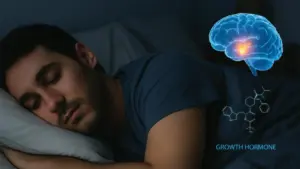
Researchers Uncover the Neural Circuitry Linking Deep Sleep to Growth Hormone Regulation

Category: Applied Behavior Analysis

157 posts

Standard

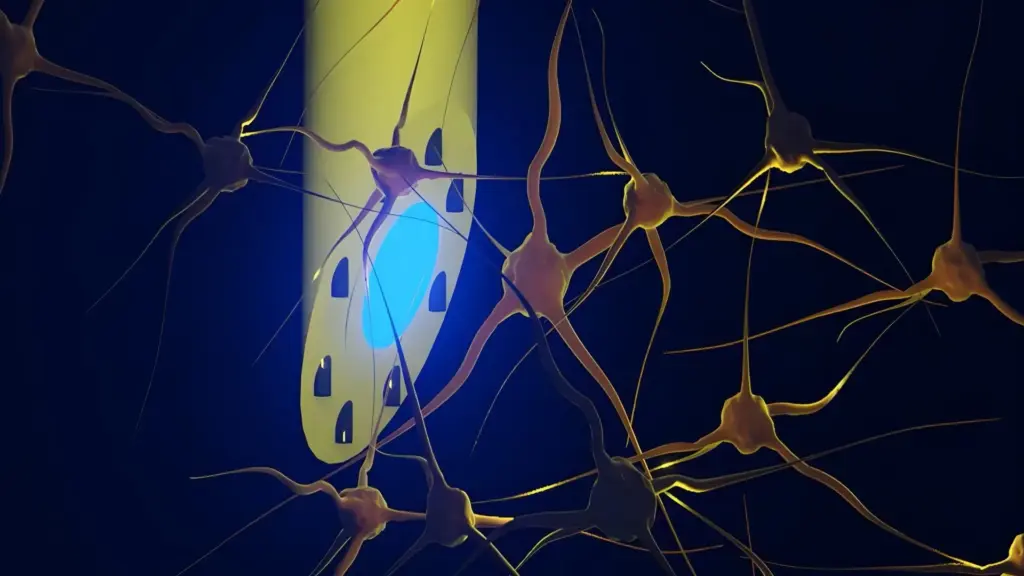
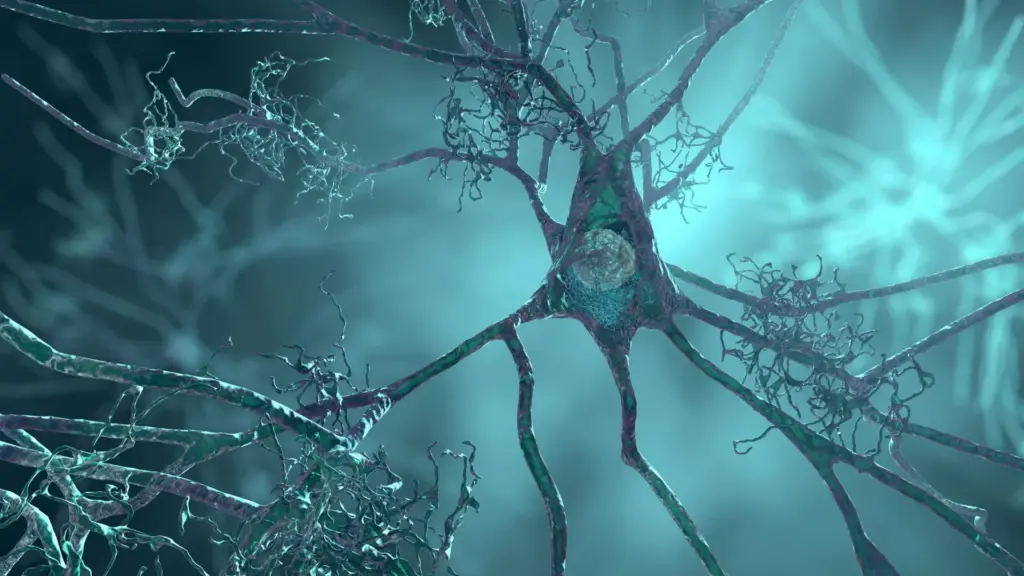
Dual Origins: Stanford Researchers Discover the Brain Is Built from Two Distinct Evolutionary Systems

For decades, the central dogma of developmental neurobiology has held that the human brain is a monolithic entity—a single, unified organ arising from a common pool of progenitor cells. Under this established model, the forebrain, midbrain, and hindbrain were thought to trace their lineage back to the same developmental starting point, evolving in tandem as…
Read more
Standard

New Microfluidic "Axialtrode" Implant Offers Breakthrough in Precise Brain Mapping and Therapy

A revolutionary leap in neurotechnology has emerged from an international collaboration between the Technical University of Denmark (DTU), the University of Copenhagen, and University College London. Researchers have successfully developed a cutting-edge, needle-thin brain implant capable of unprecedented multi-modal interaction with neural tissue. Known as the microfluidic Axialtrode (mAxialtrode), this device promises to transform how…

Read more
Standard

New Alzheimer’s Research Reveals How APOE4 Genetic Risk Alters Brain Function Early in Life

For millions of people worldwide, the APOE4 gene variant represents the most significant genetic risk factor for the development of Alzheimer’s disease. While the correlation between this gene and the eventual onset of dementia has been well-documented for decades, the precise mechanisms of how it initiates the long-term decline of cognitive health have remained shrouded…

Read more
Standard

Beyond the ‘Sandwich Model’: New Research Challenges How We Think About Brain Decision-Making

For decades, the standard narrative regarding the human brain has been one of sequential efficiency: we perceive the world, we deliberate on that information, and finally, we execute an action. It is a model that feels intuitively correct, mirroring our personal experience of weighing desires, beliefs, and intentions before choosing a path. However, according to…

Read more
Standard

Positive Psychology Interventions May Significantly Bolster Cardiovascular Health

A growing body of scientific evidence suggests that the path to a healthier heart may be found not only in the gym or the pharmacy, but within the mind. New research indicates that simple, accessible practices—such as mindfulness, gratitude journaling, and targeted optimism training—can lead to measurable improvements in cardiovascular health markers in as little…

Read more
Standard

Injectable Biomaterial Offers New Hope for Brain Tissue Repair After Ischemic Stroke

Biomedical engineers at Duke University have achieved a significant milestone in regenerative medicine, developing an injectable biomaterial that shows promise in helping the brain recover from the debilitating effects of an ischemic stroke. In a study published in the journal Cell Biomaterials, researchers demonstrated that by transforming the cavity left behind by lost brain tissue…

Read more