








BREAKING NEWS
Applied Behavior Analysis Genetic "Shield" Against Alzheimer’s: Researchers Uncover Mechanism Protecting the Brain’s Blood Vessels 3 hours ago Child Development New Research Challenges the Safety of CBN as a Popular Sleep Aid 3 hours ago Occupational Therapy Addressing the Gap: Occupational Therapy and the Management of Ehlers-Danlos Syndrome 3 hours ago Early Intervention Advancing Early Childhood Development: Building a Stronger Future for Babies, Families, and Professionals 4 hours ago Assistive Technology The Self-Taught Piano-Playing Robot That Could Transform the Future of Assistive Technology 4 hours ago Sensory Processing Navigating Summer Sensory Processing: Expert Strategies for Parents, Educators, and Therapists 4 hours ago Learning Disabilities Saddle Up for Success: New Research Shows Horseback Riding Offers Profound Benefits for Children With Autism 4 hours ago Behavioral Health Beyond Pure Efficiency: Why the AI Era Demands a New Architecture for Human and Planetary Progress 4 hours ago Applied Behavior Analysis Genetic "Shield" Against Alzheimer’s: Researchers Uncover Mechanism Protecting the Brain’s Blood Vessels 3 hours ago Child Development New Research Challenges the Safety of CBN as a Popular Sleep Aid 3 hours ago Occupational Therapy Addressing the Gap: Occupational Therapy and the Management of Ehlers-Danlos Syndrome 3 hours ago Early Intervention Advancing Early Childhood Development: Building a Stronger Future for Babies, Families, and Professionals 4 hours ago Assistive Technology The Self-Taught Piano-Playing Robot That Could Transform the Future of Assistive Technology 4 hours ago Sensory Processing Navigating Summer Sensory Processing: Expert Strategies for Parents, Educators, and Therapists 4 hours ago Learning Disabilities Saddle Up for Success: New Research Shows Horseback Riding Offers Profound Benefits for Children With Autism 4 hours ago Behavioral Health Beyond Pure Efficiency: Why the AI Era Demands a New Architecture for Human and Planetary Progress 4 hours ago
Stories
Genetic "Shield" Against Alzheimer’s: Researchers Uncover Mechanism Protecting the Brain’s Blood Vessels
New Research Challenges the Safety of CBN as a Popular Sleep Aid
Addressing the Gap: Occupational Therapy and the Management of Ehlers-Danlos Syndrome
Advancing Early Childhood Development: Building a Stronger Future for Babies, Families, and Professionals
The Self-Taught Piano-Playing Robot That Could Transform the Future of Assistive Technology
Navigating Summer Sensory Processing: Expert Strategies for Parents, Educators, and Therapists
Saddle Up for Success: New Research Shows Horseback Riding Offers Profound Benefits for Children With Autism
Beyond Pure Efficiency: Why the AI Era Demands a New Architecture for Human and Planetary Progress
New Federal Data Reveals Rising Disability Rates in Public Schools Amid Persistent Disproportionate Discipline and Restraint
WHO and African Union Forge New Era of Health Sovereignty with Renewed Strategic Partnership in Geneva

Tag: brains

4 posts

Standard

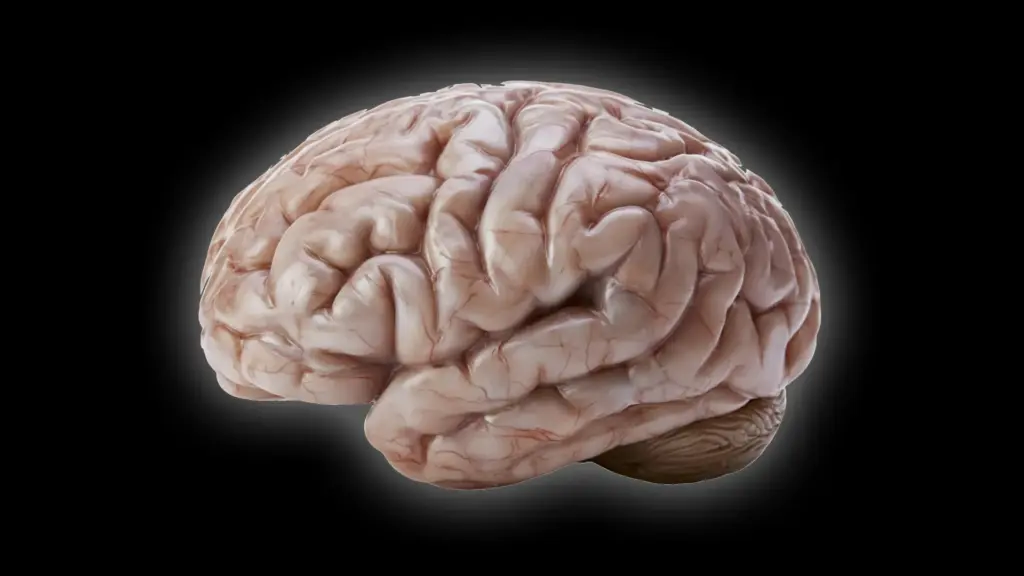
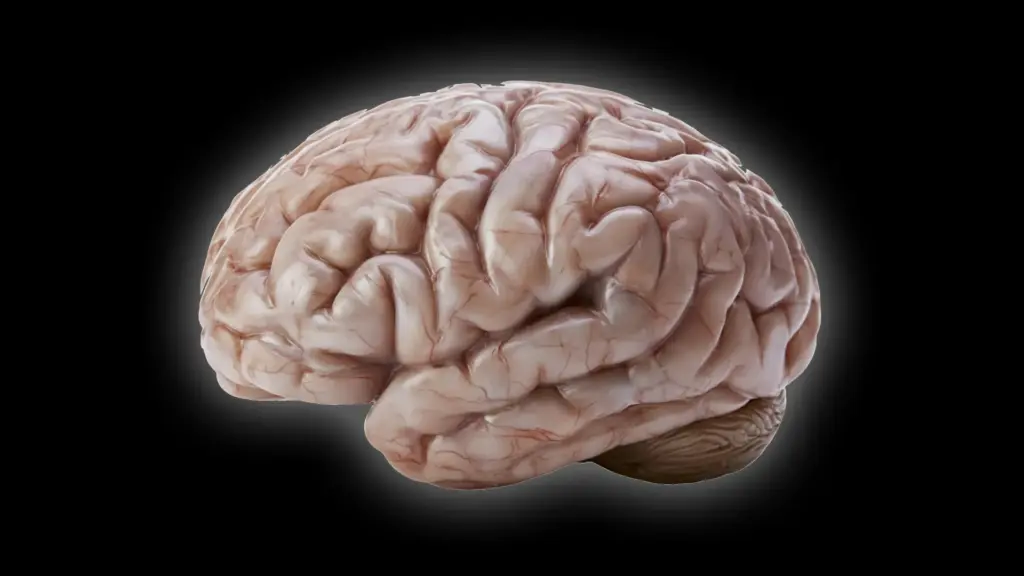
Deciphering the Blueprint: Why Marmoset Brains Lack the Folds of Human Complexity

Most primates are characterized by their expansive, highly complex brains, often described as possessing a surface marked by a dense topography of folds and grooves. This intricate architecture, known as gyrencephaly, is a hallmark of primate evolution, allowing for the massive expansion of the cerebral cortex—the seat of higher cognitive function—within the confines of the…
Read more
Standard

Decoding the Blueprint: How Miniature Brains Reveal Why Marmosets Lack Human-Like Folds

Most primates are characterized by their impressively large, complex brains, which are typically defined by a distinct, rugged landscape of folds and grooves. This intricate architecture, known as gyrification, is a hallmark of mammalian intelligence, providing the surface area necessary to house the billions of neurons that facilitate advanced cognition. Yet, in the diverse family…

Read more
Standard

Why Some Primate Brains Are Smooth: New Research Uncovers the Cellular "Brakes" on Brain Growth

Most primates possess brains that are marvels of biological engineering, characterized by large volumes and intricate patterns of folds and grooves—a hallmark of evolutionary complexity. However, the common marmoset (Callithrix jacchus), a small South American monkey, presents a striking evolutionary exception. Its brain is remarkably smooth, lacking the extensive folding found in its larger-brained primate…

Read more
Standard

Beyond the "Lizard Brain": New Research Challenges Long-Held Myths About How Our Brains Evolved

For generations, the popular understanding of the human brain has been framed by a compelling but increasingly contested narrative: a struggle between the cold, calculated logic of the "higher" brain and the primal, impulsive urges of the "lizard brain." This metaphor suggests that our evolutionary journey involved stacking sophisticated, rational layers—like the neocortex—atop an ancient,…

Read more