






BREAKING NEWS
Applied Behavior Analysis Chronic Back Pain Becomes Part of the Self: New Brain Research Reveals Why Traditional Treatments Fail 3 hours ago Child Development The Consciousness Gap: Why Humans Refuse to Grant AI a Mind, Even When It Acts Like Us 4 hours ago Speech and Language Therapy Decoding Communication: A Strategic Approach to Supporting Children and Teens in Mastering Question Skills 4 hours ago Mental Health and Psychology The Empathy Paradox: Assessing the Psychological Impact of AI in Human Emotional Support 4 hours ago Neurodiversity Living in "Hard Mode": The Omission of Autistic Culture and the Push for Rights-Centric Education 4 hours ago Behavioral Health The Burden of the "Identified Patient": How Family Systems Scapegoat Sensitive Children 4 hours ago Inclusive Education How a Rare Gene Mutation Connected One Boy’s Autism to Parkinson’s Disease Research 4 hours ago Pediatric Research WHO Chief Praises Spain’s Decisive Action and Resilience in Turning the Tide Against COVID-19 4 hours ago Applied Behavior Analysis Chronic Back Pain Becomes Part of the Self: New Brain Research Reveals Why Traditional Treatments Fail 3 hours ago Child Development The Consciousness Gap: Why Humans Refuse to Grant AI a Mind, Even When It Acts Like Us 4 hours ago Speech and Language Therapy Decoding Communication: A Strategic Approach to Supporting Children and Teens in Mastering Question Skills 4 hours ago Mental Health and Psychology The Empathy Paradox: Assessing the Psychological Impact of AI in Human Emotional Support 4 hours ago Neurodiversity Living in "Hard Mode": The Omission of Autistic Culture and the Push for Rights-Centric Education 4 hours ago Behavioral Health The Burden of the "Identified Patient": How Family Systems Scapegoat Sensitive Children 4 hours ago Inclusive Education How a Rare Gene Mutation Connected One Boy’s Autism to Parkinson’s Disease Research 4 hours ago Pediatric Research WHO Chief Praises Spain’s Decisive Action and Resilience in Turning the Tide Against COVID-19 4 hours ago
Stories
Chronic Back Pain Becomes Part of the Self: New Brain Research Reveals Why Traditional Treatments Fail
The Consciousness Gap: Why Humans Refuse to Grant AI a Mind, Even When It Acts Like Us
Decoding Communication: A Strategic Approach to Supporting Children and Teens in Mastering Question Skills
The Empathy Paradox: Assessing the Psychological Impact of AI in Human Emotional Support
Living in "Hard Mode": The Omission of Autistic Culture and the Push for Rights-Centric Education
The Burden of the "Identified Patient": How Family Systems Scapegoat Sensitive Children
How a Rare Gene Mutation Connected One Boy’s Autism to Parkinson’s Disease Research
WHO Chief Praises Spain’s Decisive Action and Resilience in Turning the Tide Against COVID-19
Breakthrough Brain Analysis Links Amyloid Clearance to Reduced Tau and Delayed Alzheimer’s Progression
Common Brain Signal Disruption May Unify Diverse Symptoms of Schizophrenia

Tag: intervention

159 posts

Standard

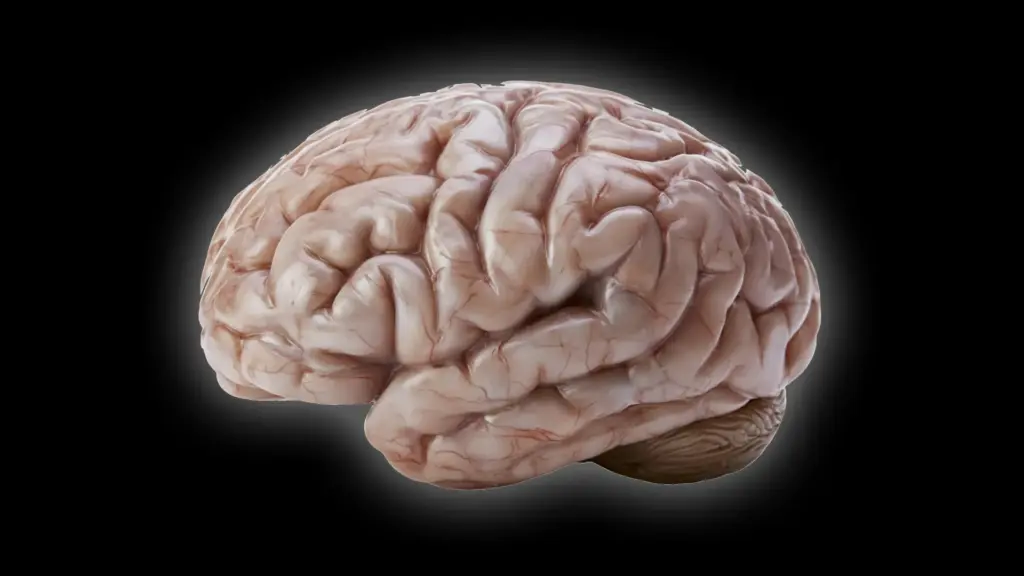
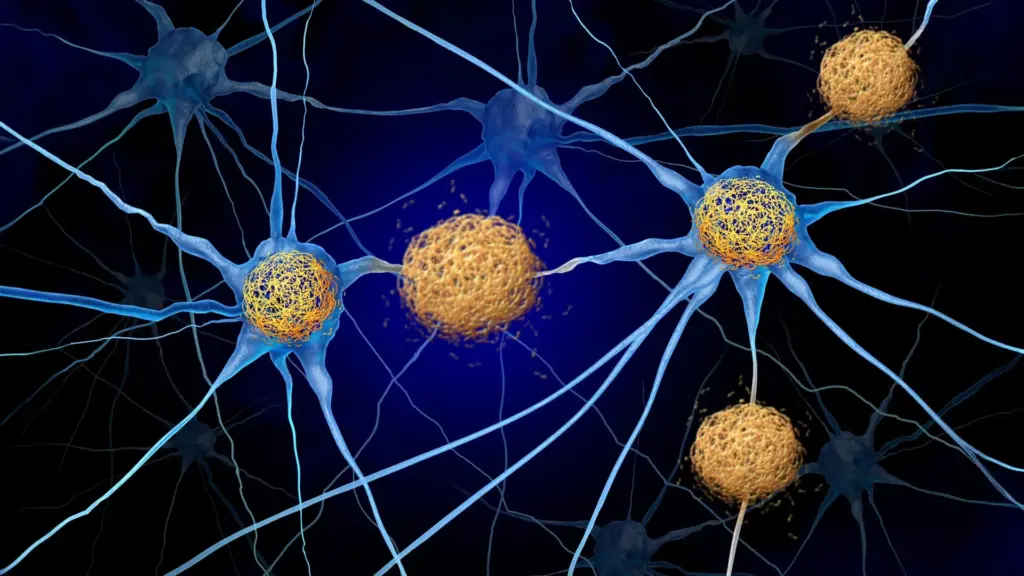
Decoding the Blueprint: How Miniature Brains Reveal Why Marmosets Lack Human-Like Folds

Most primates are characterized by their impressively large, complex brains, which are typically defined by a distinct, rugged landscape of folds and grooves. This intricate architecture, known as gyrification, is a hallmark of mammalian intelligence, providing the surface area necessary to house the billions of neurons that facilitate advanced cognition. Yet, in the diverse family…
Read more
Standard

Why Some Primate Brains Are Smooth: New Research Uncovers the Cellular "Brakes" on Brain Growth

Most primates possess brains that are marvels of biological engineering, characterized by large volumes and intricate patterns of folds and grooves—a hallmark of evolutionary complexity. However, the common marmoset (Callithrix jacchus), a small South American monkey, presents a striking evolutionary exception. Its brain is remarkably smooth, lacking the extensive folding found in its larger-brained primate…

Read more
Standard

New Research Targets Immune Response to Halt Brain Cell Death in Alzheimer’s Disease

Protecting brain cells from the progressive destruction that characterizes Alzheimer’s disease and related neurodegenerative conditions remains one of the most formidable challenges in modern medicine. These disorders, collectively known as tauopathies, are marked by the accumulation of abnormal tangles of a protein called tau inside the brain. As these toxic tangles build up, neurons begin…

Read more
Standard

New Research Reveals Immune System’s Role in Alzheimer’s Brain Damage, Offering Potential New Treatment Path

For decades, the scientific community has been locked in a high-stakes race to identify the primary drivers of neurodegeneration in Alzheimer’s disease. While the accumulation of amyloid plaques and tau protein tangles has long been the primary focus of drug development, a groundbreaking study from the Washington University School of Medicine in St. Louis suggests…

Read more
Standard

New Genetic Clue Reveals How Some Defy Alzheimer’s Risk, Paving Path for Potential Treatments

For decades, one of the most confounding mysteries in neurology has been the "resilient carrier"—the individual who possesses the APOE ε4 gene, the most significant genetic risk factor for Alzheimer’s disease, yet remains cognitively sharp well into their 80s or 90s. While millions of people carry this genetic variant, which significantly increases the likelihood of…

Read more
Standard

Blocking Immune Response May Stop Alzheimer’s Brain Cell Loss, New Research Finds

Protecting brain cells from destruction remains one of the most formidable hurdles in modern medicine, particularly regarding Alzheimer’s disease and a spectrum of related neurodegenerative disorders known collectively as tauopathies. These conditions are characterized by the abnormal accumulation of "tau" protein tangles within the brain—a hallmark that has long been the primary target for diagnostic…

Read more
Standard

Breakthrough Discovery: Brain’s Immune Cells Identified as Key Culprit in Alzheimer’s-Related Sleep Loss

Scientists have uncovered a surprising and potentially reversible cause of sleep disruption in Alzheimer’s disease. In a study that challenges decades of conventional wisdom, researchers have discovered that the severe sleep problems associated with the condition are not primarily caused by the accumulation of amyloid plaques—the hallmark sticky protein deposits found in the brains of…

Read more
Standard

Genetic Shield: How a Rare Mutation Protects the Brain from Alzheimer’s

For decades, the field of Alzheimer’s research has been defined by a frustrating paradox. Scientists have long known that carrying the APOE ε4 gene variant—the strongest common genetic risk factor for Alzheimer’s—significantly increases an individual’s likelihood of developing the disease. Yet, among the millions of people who carry this variant, there exists a subset of…

Read more