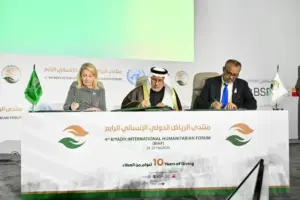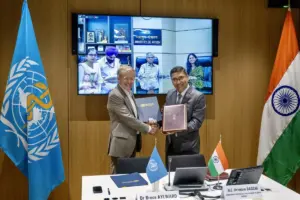







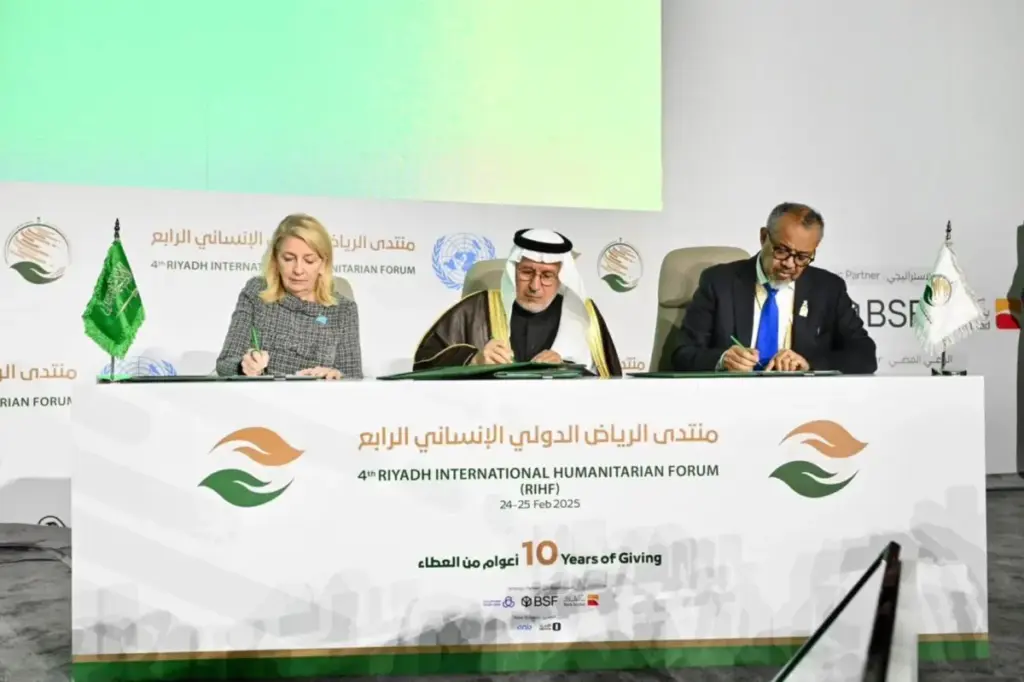
The Riyadh International Humanitarian Forum, which convened global partners from the humanitarian sector on February 24-25, 2025, served as a vital platform for addressing urgent health and humanitarian challenges worldwide. Bringing together leaders, policymakers, and international organizations, the high-profile gathering focused heavily on advocacy for human survival, health diplomacy, the well-being and dignity of populations affected by acute crises, and the security and protection of frontline aid workers. The event carried special significance as it coincided with the tenth anniversary of the King Salman Humanitarian Aid and Relief Centre (KSRelief), a milestone marked by the announcement of key strategic partnerships, financial agreements, and major funding pledges aimed at mitigating ongoing humanitarian emergencies in the Middle East and surrounding regions.
Against the backdrop of compounding geopolitical tensions, mass displacement, and fragile health infrastructures, the forum highlighted the indispensable role of international cooperation and targeted multilateral funding. Central to the proceedings was the deep and enduring partnership between the World Health Organization (WHO) and KSRelief, alongside other key United Nations agencies. The discussions underscored that addressing modern health emergencies requires not only immediate logistical responses but also sustained diplomatic engagement and robust financial commitments to safeguard vulnerable populations, particularly women, children, and refugees caught in the crossfire of protracted conflicts.
Expanding Life-Saving Interventions in Yemen, Egypt, and Beyond

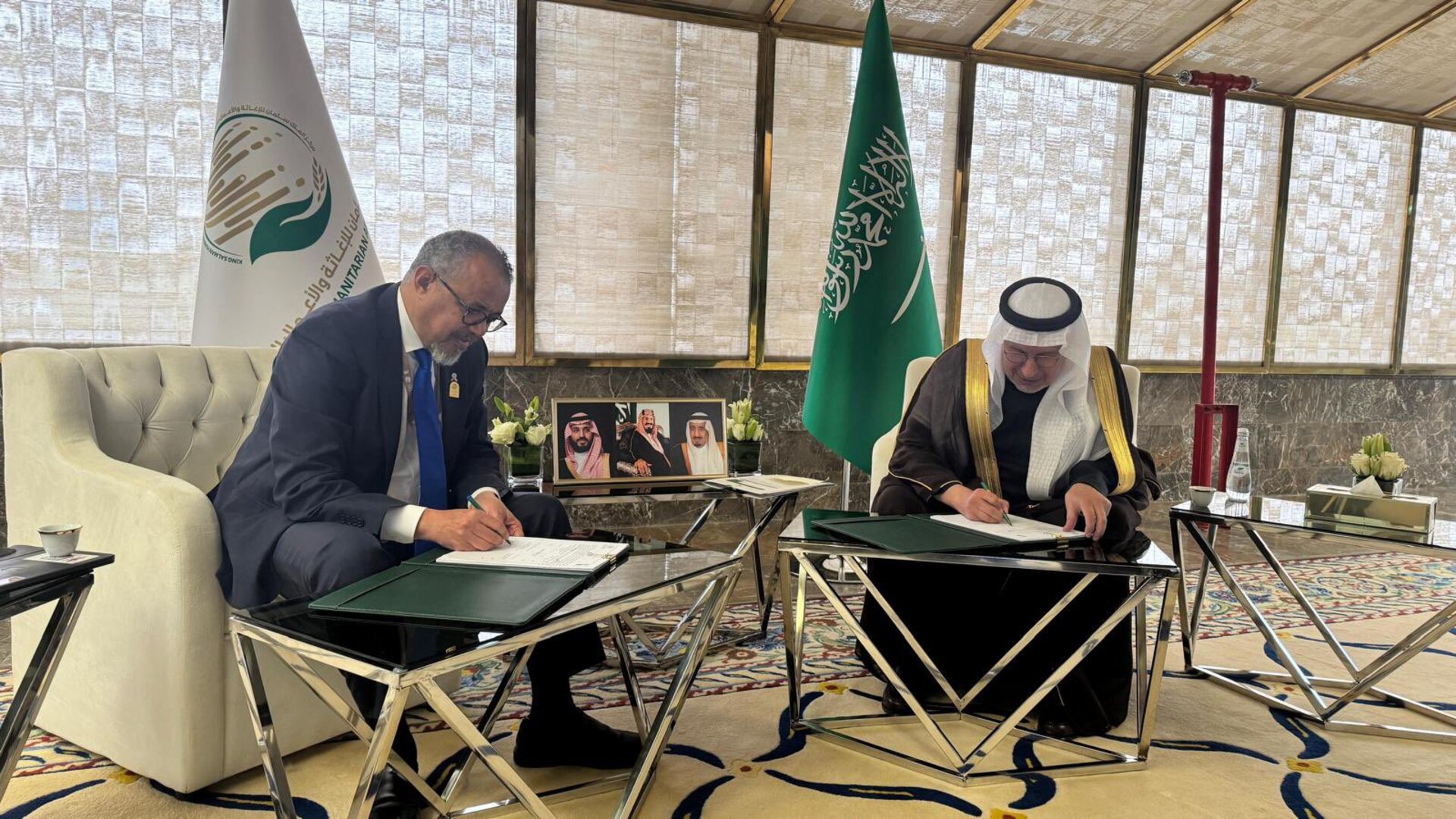
Among the most tangible outcomes of the two-day forum were several critical funding agreements signed between the WHO and KSRelief designed to address acute disease outbreaks and health service deficiencies in conflict-torn settings. In Yemen, where years of instability have severely compromised the public health sector and left millions vulnerable to preventable diseases, the new agreements target two major public health threats: malaria and cholera. To bolster ongoing containment and prevention efforts, KSRelief allocated US$ 12 million specifically for malaria control programs, aiming to reduce transmission rates and protect vulnerable communities. In addition, the partners signed a US$ 2.1 million agreement to expand cholera treatment capacities, ensuring that medical facilities are adequately equipped with essential supplies, rehydration fluids, and trained personnel to manage outbreaks effectively.
The humanitarian fallout from regional conflicts also extended across borders, necessitating targeted interventions for displaced populations. A notable example is the agreement worth US$ 3.6 million established between KSRelief and the WHO Egypt Country Office. This dedicated funding is earmarked to provide critical dialysis treatment for Sudanese refugees who have been forced to flee their homes due to the devastating and ongoing conflict in Sudan. With Egypt absorbing a significant share of the refugee influx, the healthcare system has faced mounting pressures, making this financial and operational support vital for sustaining life-saving renal care for patients who would otherwise face insurmountable barriers to accessing treatment.
A Historic Commitment to Eradicate Polio Globally
A cornerstone moment of the Riyadh forum was the official reaffirmation by the Kingdom of Saudi Arabia of its substantial US$ 500 million pledge to the Global Polio Eradication Initiative (GPEI), a commitment originally announced in April 2024. To operationalize this monumental financial promise, two major funding agreements were formally finalized and signed during the event: a US$ 300 million agreement with the WHO and a US$ 200 million agreement with UNICEF. This comprehensive financial injection represents one of the single largest contributions to global polio eradication efforts in recent history and is designed to fortify immunization campaigns worldwide.
The collective resources mobilized through these agreements will directly support large-scale immunization drives aimed at vaccinating an estimated 370 million children annually. Public health officials emphasized that this ambitious coverage is essential for interrupting transmission chains and achieving a polio-free world. The urgency of this funding is particularly acute in conflict-affected and hard-to-reach regions where the poliovirus has unfortunately staged a concerning resurgence. Areas such as Pakistan, Afghanistan, and Gaza present severe delivery challenges due to insecurity, infrastructural destruction, and population displacement, making the targeted deployment of GPEI resources through trusted partners like the WHO and UNICEF indispensable for reaching every child with the vaccine.
Reaffirming Leadership in Global Humanitarian Response
The Riyadh International Humanitarian Forum 2025 ultimately demonstrated the profound impact of strategic resource mobilization and collaborative health diplomacy in addressing contemporary humanitarian crises. By cementing critical partnerships between KSRelief, the WHO, UNICEF, and other international actors, the forum provided a structured pathway for translating high-level discussions into concrete, life-saving interventions on the ground. The agreements finalized during the event represent a comprehensive approach to global health security—combining immediate disease outbreak control for malaria and cholera, specialized medical care for refugees, and long-term public health goals such as the global eradication of polio.
As the humanitarian community navigates an increasingly complex global landscape marked by overlapping crises, the outcomes of the Riyadh forum underscore Saudi Arabia’s sustained dedication to international solidarity and its prominent leadership role in confronting some of the world’s most pressing and neglected health emergencies. Through enduring institutional partnerships and robust financial commitments, the initiatives launched in Riyadh offer renewed hope and tangible relief to millions of individuals whose lives, health, and dignity remain threatened by conflict and disease.