





BREAKING NEWS
Applied Behavior Analysis Jurassic "Tiny Giant": Fossil Discovery Reveals Origins of Mammalian Swallowing 4 hours ago Child Development Mapping the Brain’s Hidden Chemical Landscape: Researchers Unveil the First Lipid Brain Atlas 4 hours ago Neurodiversity Beyond the WEIRD Spectacle: Neurodivergence, Cultural Cancer, and the Path to Reconnecting with Gaia 12 hours ago Behavioral Health The Psychology of Taking It Personally: Why We Assume Other People’s Bad Moods Are About Us 12 hours ago Child Welfare and Advocacy Children’s Defense Fund-California to Convene Youth Leaders and Policy Experts for Child Watch 2026 in Downtown Los Angeles 12 hours ago Applied Behavior Analysis Landmark Brain Study Links Amyloid Clearance to Reduced Tau and Brain Preservation 20 hours ago Child Development New Study Reveals Distinct Developmental Patterns in How Autistic Brains Process Faces 20 hours ago Sensory Processing Occupational Therapy Practitioners Introduce Adapted Eco Map Tool to Analyze Client Support Systems and Combat Professional Burnout 20 hours ago Applied Behavior Analysis Jurassic "Tiny Giant": Fossil Discovery Reveals Origins of Mammalian Swallowing 4 hours ago Child Development Mapping the Brain’s Hidden Chemical Landscape: Researchers Unveil the First Lipid Brain Atlas 4 hours ago Neurodiversity Beyond the WEIRD Spectacle: Neurodivergence, Cultural Cancer, and the Path to Reconnecting with Gaia 12 hours ago Behavioral Health The Psychology of Taking It Personally: Why We Assume Other People’s Bad Moods Are About Us 12 hours ago Child Welfare and Advocacy Children’s Defense Fund-California to Convene Youth Leaders and Policy Experts for Child Watch 2026 in Downtown Los Angeles 12 hours ago Applied Behavior Analysis Landmark Brain Study Links Amyloid Clearance to Reduced Tau and Brain Preservation 20 hours ago Child Development New Study Reveals Distinct Developmental Patterns in How Autistic Brains Process Faces 20 hours ago Sensory Processing Occupational Therapy Practitioners Introduce Adapted Eco Map Tool to Analyze Client Support Systems and Combat Professional Burnout 20 hours ago
Stories
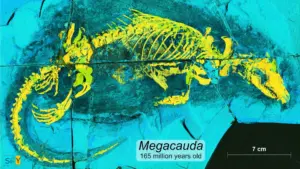
Jurassic "Tiny Giant": Fossil Discovery Reveals Origins of Mammalian Swallowing
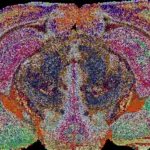
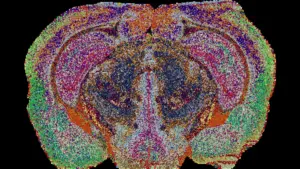
Mapping the Brain’s Hidden Chemical Landscape: Researchers Unveil the First Lipid Brain Atlas
Beyond the WEIRD Spectacle: Neurodivergence, Cultural Cancer, and the Path to Reconnecting with Gaia
The Psychology of Taking It Personally: Why We Assume Other People’s Bad Moods Are About Us
Children’s Defense Fund-California to Convene Youth Leaders and Policy Experts for Child Watch 2026 in Downtown Los Angeles
Landmark Brain Study Links Amyloid Clearance to Reduced Tau and Brain Preservation
New Study Reveals Distinct Developmental Patterns in How Autistic Brains Process Faces
Occupational Therapy Practitioners Introduce Adapted Eco Map Tool to Analyze Client Support Systems and Combat Professional Burnout
When Facing "Hell," Is Keeping Going Always the Right Choice? Rethinking Resilience and the Sunk Cost Fallacy
Families in Idaho Face Severe Financial Strain Over a Year After State Ends Paid Caregiver Program for Disabled Relatives

Tag: behavior

138 posts

Standard

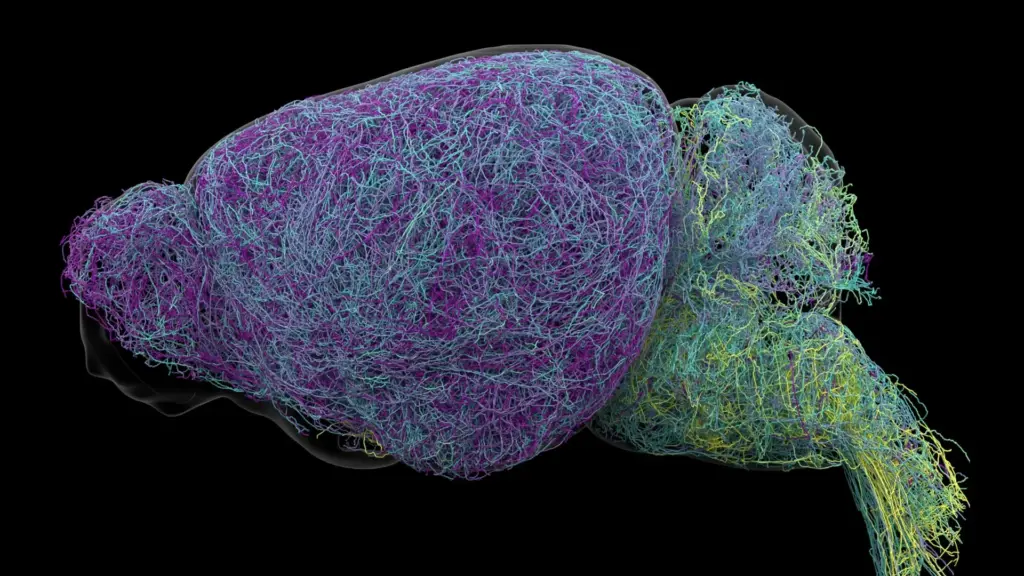
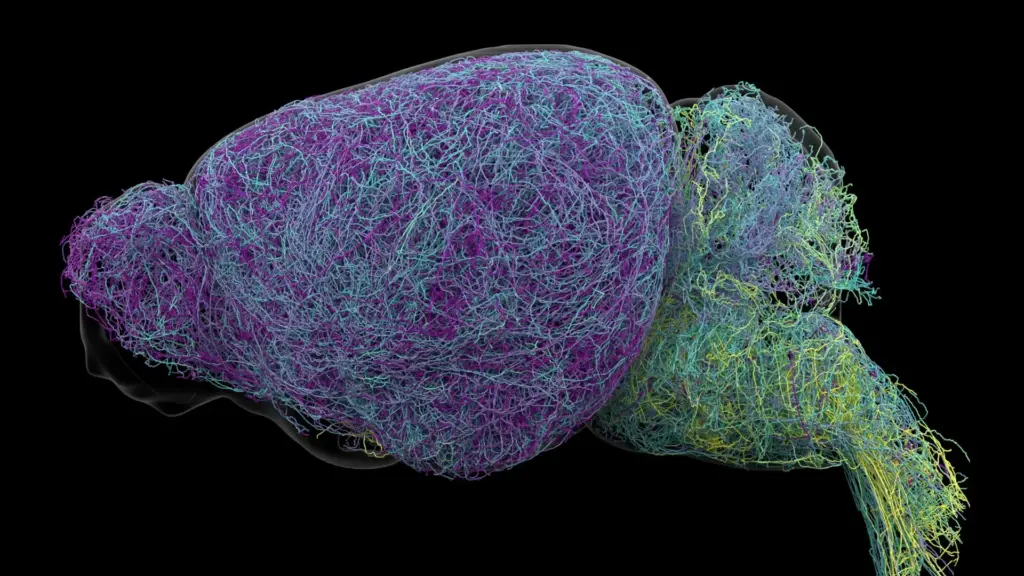
Deciphering the Blueprint: Why Marmoset Brains Lack the Folds of Human Complexity

Most primates are characterized by their expansive, highly complex brains, often described as possessing a surface marked by a dense topography of folds and grooves. This intricate architecture, known as gyrencephaly, is a hallmark of primate evolution, allowing for the massive expansion of the cerebral cortex—the seat of higher cognitive function—within the confines of the…
Read more
Standard

Rethinking the Brain’s Command Center: New Study Reveals the Locus Coeruleus as a Precise Signaling Network

Deep within the brainstem lies a minuscule cluster of nerve cells that wields an influence far exceeding its modest size. Known as the locus coeruleus (LC)—a name derived from the Latin for "blue place" due to its distinct pigmentation—this region has long been viewed by neuroscientists as the brain’s primary broadcast station. Despite containing only…

Read more
Standard

Beyond the "Foghorn": New Research Reveals Precision Signaling in the Brain’s Stress-Response Hub

Deep within the human brainstem lies a tiny, unassuming cluster of neurons known as the locus coeruleus (LC). Its name, derived from the Latin for "blue place," belies the immense power it wields over our cognitive and physical lives. Despite accounting for only a minuscule fraction of the brain’s billions of neurons, the LC serves…

Read more
Standard

New Research Identifies Immune Pathway to Halt Alzheimer’s Brain Cell Loss

Protecting brain cells from the devastating effects of neurodegeneration remains the "holy grail" of modern medicine. For decades, the primary focus of Alzheimer’s disease research has been the removal of abnormal protein aggregates—specifically amyloid plaques and tau tangles—that accumulate in the brains of patients. However, a groundbreaking study from the Washington University School of Medicine…

Read more
Standard

Decoding the Smooth Brain: Scientists Uncover Cellular Mechanisms Behind Primate Brain Evolution

Most primates are characterized by their expansive, complex brains, which are typically defined by a surface topography of intricate folds and grooves. This architectural complexity is often cited as the biological foundation for the sophisticated cognitive abilities observed across the primate order. However, the common marmoset (Callithrix jacchus) stands out as a striking evolutionary anomaly.…

Read more
Standard

Decoding the Blueprint: How Miniature Brains Reveal Why Marmosets Lack Human-Like Folds

Most primates are characterized by their impressively large, complex brains, which are typically defined by a distinct, rugged landscape of folds and grooves. This intricate architecture, known as gyrification, is a hallmark of mammalian intelligence, providing the surface area necessary to house the billions of neurons that facilitate advanced cognition. Yet, in the diverse family…

Read more
Standard

Why Some Primate Brains Are Smooth: New Research Uncovers the Cellular "Brakes" on Brain Growth

Most primates possess brains that are marvels of biological engineering, characterized by large volumes and intricate patterns of folds and grooves—a hallmark of evolutionary complexity. However, the common marmoset (Callithrix jacchus), a small South American monkey, presents a striking evolutionary exception. Its brain is remarkably smooth, lacking the extensive folding found in its larger-brained primate…

Read more