





BREAKING NEWS
Applied Behavior Analysis New Research Suggests the Brain’s Survival Mechanism May Blur the Lines Between Safety and Danger 4 hours ago Child Development New Research Debunks Myths About Reading Struggles, Pointing to Auditory and Knowledge-Based Skills 4 hours ago Occupational Therapy Global Community Prepares to Honor World Occupational Therapy Day 2026 4 hours ago Speech and Language Therapy Speech and Language Kids Announces Expansion of Structured Curriculum to Transform SLP Workflow 4 hours ago Mental Health and Psychology The Paradox of Affection: Questioning the Cultural Normalization of Dog Ownership 4 hours ago Pediatric Healthcare The Dual Challenge: Navigating the Pandemic and the Global Infodemic 4 hours ago Assistive Technology Higher Education Faces a Pivotal Choice as AI Threatens to Codify Exclusion for Students with Disabilities 4 hours ago Sensory Processing Empowering Children Through Emotional Regulation: The Impact of "Size of the Problem" Strategies 4 hours ago Applied Behavior Analysis New Research Suggests the Brain’s Survival Mechanism May Blur the Lines Between Safety and Danger 4 hours ago Child Development New Research Debunks Myths About Reading Struggles, Pointing to Auditory and Knowledge-Based Skills 4 hours ago Occupational Therapy Global Community Prepares to Honor World Occupational Therapy Day 2026 4 hours ago Speech and Language Therapy Speech and Language Kids Announces Expansion of Structured Curriculum to Transform SLP Workflow 4 hours ago Mental Health and Psychology The Paradox of Affection: Questioning the Cultural Normalization of Dog Ownership 4 hours ago Pediatric Healthcare The Dual Challenge: Navigating the Pandemic and the Global Infodemic 4 hours ago Assistive Technology Higher Education Faces a Pivotal Choice as AI Threatens to Codify Exclusion for Students with Disabilities 4 hours ago Sensory Processing Empowering Children Through Emotional Regulation: The Impact of "Size of the Problem" Strategies 4 hours ago
Stories
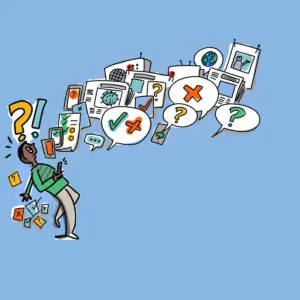
New Research Suggests the Brain’s Survival Mechanism May Blur the Lines Between Safety and Danger
New Research Debunks Myths About Reading Struggles, Pointing to Auditory and Knowledge-Based Skills
Global Community Prepares to Honor World Occupational Therapy Day 2026
Speech and Language Kids Announces Expansion of Structured Curriculum to Transform SLP Workflow
The Paradox of Affection: Questioning the Cultural Normalization of Dog Ownership
The Dual Challenge: Navigating the Pandemic and the Global Infodemic
Higher Education Faces a Pivotal Choice as AI Threatens to Codify Exclusion for Students with Disabilities
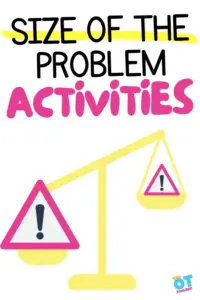
Empowering Children Through Emotional Regulation: The Impact of "Size of the Problem" Strategies
New Comprehensive Voting Guide Empowers Voters with Disabilities Ahead of Midterm Elections
Finding Your Voice Through Resistance: How Intentional Living Navigates Uncertainty, Grief, and Growth

Tag: brain

267 posts

Standard

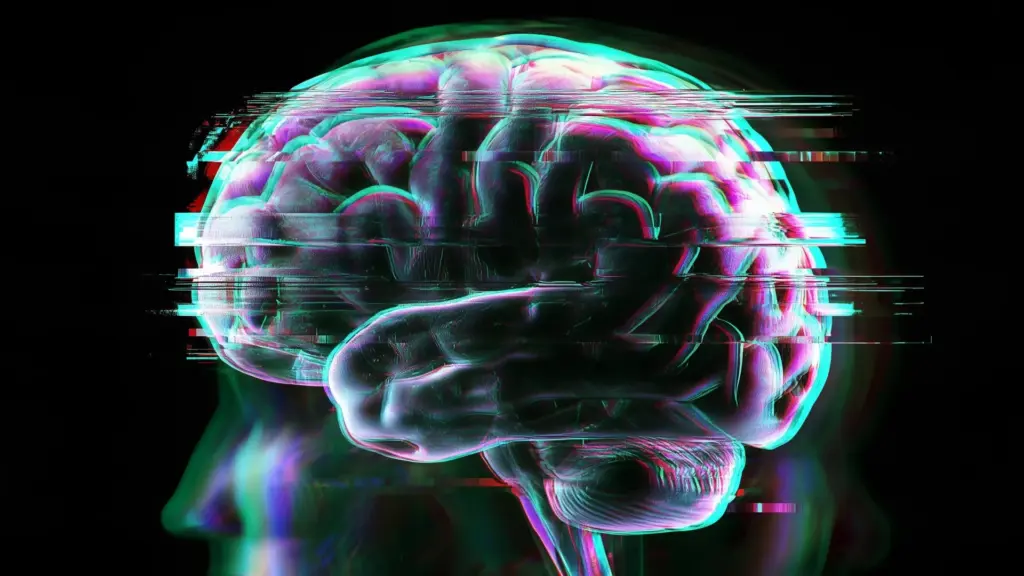
Beyond the Diagnosis: New Study Reveals Five Distinct Brain Patterns in Depression

Two individuals diagnosed with clinical depression may share the same medical label, yet their lived experiences can exist on opposite ends of the psychological spectrum. One person might find themselves trapped in a cycle of persistent, racing thoughts and paralyzing anxiety, while another may grapple with the lingering shadows of past trauma or the complexities…
Read more
Standard

Living Life in Hard Mode: Why the Omission of Autistic Culture in National Guidelines Underscores a Global Crisis

Civil society activists, neurodiversity advocates, and child rights defenders from around the world are mobilizing to address what they describe as a profound systemic failure in how modern societies approach neurodivergence. At the heart of this international push is a stark realization: navigating a hypernormative, industrialized society as an autistic person is frequently compared to…

Read more
Standard

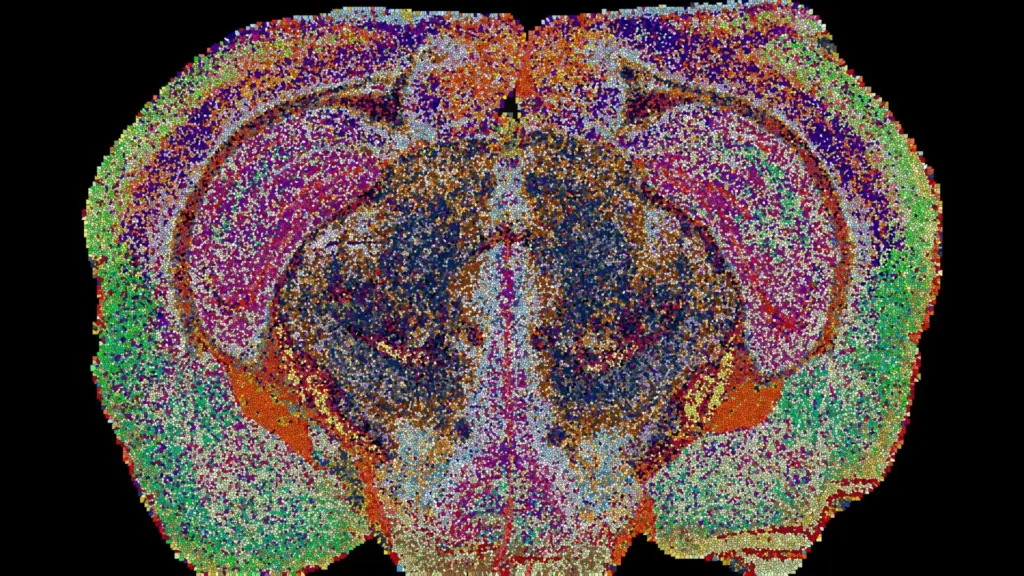
Mapping the Brain’s Hidden Chemical Landscape: Researchers Unveil the First Lipid Brain Atlas

For decades, the scientific community has been obsessed with the “hard wiring” of the human brain. Researchers have spent immense resources mapping the billions of neurons, their intricate synaptic connections, the expression of thousands of genes, and the complex interplay of proteins. Yet, beneath this well-studied architecture lies a fundamental, often overlooked component of brain…

Read more
Standard

Beyond the WEIRD Spectacle: Neurodivergence, Cultural Cancer, and the Path to Reconnecting with Gaia

In the Western, Educated, Industrialized, Rich, and Democratic (WEIRD) world we inhabit, society operates largely within what philosopher Guy Debord famously described as "The Society of the Spectacle." Within this framework, reality—as presented through mass media and public social media platforms—has been painstakingly engineered to meet the exacting standards of Homo Economicus. Every individual born…

Read more
Standard

Landmark Brain Study Links Amyloid Clearance to Reduced Tau and Brain Preservation

A groundbreaking examination of an Alzheimer’s patient’s brain has provided some of the most compelling evidence to date that clearing amyloid plaques can halt the subsequent cascade of damage that defines the disease. By observing two distinct biological environments within the same organ—one where amyloid was cleared and one where it persisted—researchers have gained a…

Read more
Standard

Unlocking the Mystery of Cognitive Resilience: Could Immature Neurons Protect the Aging Brain from Alzheimer’s?

For decades, the medical community has grappled with a baffling neurological paradox: why do some individuals exhibit the hallmark biological markers of Alzheimer’s disease—such as the buildup of toxic proteins and significant brain tissue changes—yet never display the clinical symptoms of dementia? While many patients suffer a steady, devastating decline in memory and executive function,…

Read more
Standard

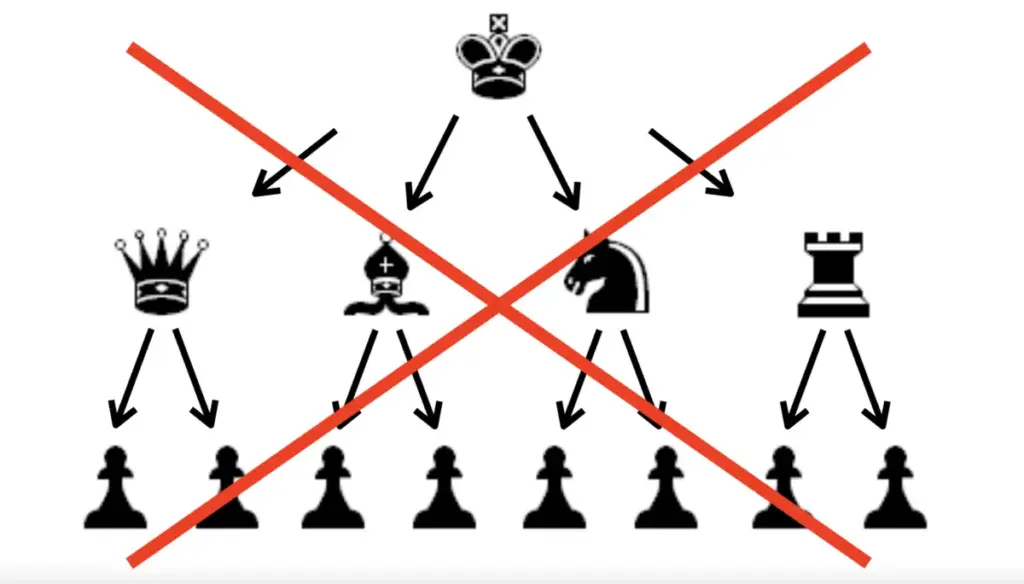
Beyond Hierarchy: How Autistic Culture and Relational Thinking Are Reimagining Human Societies

By Jorn Bettin Many autistic individuals experience profound difficulties in conceptualizing the world through hierarchical structures. Rooted in human evolutionary history, this cognitive orientation reflects innate collaborative cultural capabilities paired with a significantly reduced capacity for maintaining ongoing cognitive dissonance. These traits frequently fall outside the conventional bell curve of hypernormativity, shaping a distinct worldview…

Read more
Standard

Beyond Awareness: Research Reveals the Unconscious Brain’s Hidden Language Processing

Even when a patient is fully submerged in the state of medically induced general anesthesia—a condition characterized by a total lack of subjective experience—the human brain remains remarkably busy. New research from Baylor College of Medicine suggests that beneath the silence of unconsciousness, the brain is far from dormant. It continues to process complex auditory…

Read more
Standard

Yale Researchers Uncover How Stress Hormones Fine-Tune the Brain for Emotional Memory

Stress is a universal human experience, often viewed primarily as a disruptive force that clouds judgment or hinders performance. However, for years, neuroscientists have suspected that stress serves a more nuanced, evolutionary purpose. It is well-documented that the physiological "fight or flight" response—driven by a cascade of hormones, most notably cortisol—can dramatically alter the way…

Read more