


BREAKING NEWS
Applied Behavior Analysis The Active Unconscious: How the Brain Continues to Process Language Under General Anesthesia 2 hours ago Child Development Yale Researchers Uncover How Stress Hormones Fine-Tune the Brain for Emotional Memory 2 hours ago Pediatric Healthcare Emergency Medical Supplies Airlifted to Beirut as Health System Faces Catastrophic Strain 4 hours ago Applied Behavior Analysis Precision Neuromodulation: Mount Sinai Researchers Identify Key Brain Pathways for Treating Severe Depression 10 hours ago Child Development New Research Links Alzheimer’s-Related Protein to Disrupted Sleep Patterns and Memory Decline 10 hours ago Occupational Therapy The Growing Essential Role of Occupational Therapy in Aging-in-Place Initiatives 10 hours ago Mental Health and Psychology The Architect of Choice: Viktor Frankl and the Power of the Internal Space 10 hours ago Pediatric Research Honoring Real-Life Heroes: World Humanitarian Day Shines a Light on Frontline Workers Amid Global Crises and COVID-19 10 hours ago Applied Behavior Analysis The Active Unconscious: How the Brain Continues to Process Language Under General Anesthesia 2 hours ago Child Development Yale Researchers Uncover How Stress Hormones Fine-Tune the Brain for Emotional Memory 2 hours ago Pediatric Healthcare Emergency Medical Supplies Airlifted to Beirut as Health System Faces Catastrophic Strain 4 hours ago Applied Behavior Analysis Precision Neuromodulation: Mount Sinai Researchers Identify Key Brain Pathways for Treating Severe Depression 10 hours ago Child Development New Research Links Alzheimer’s-Related Protein to Disrupted Sleep Patterns and Memory Decline 10 hours ago Occupational Therapy The Growing Essential Role of Occupational Therapy in Aging-in-Place Initiatives 10 hours ago Mental Health and Psychology The Architect of Choice: Viktor Frankl and the Power of the Internal Space 10 hours ago Pediatric Research Honoring Real-Life Heroes: World Humanitarian Day Shines a Light on Frontline Workers Amid Global Crises and COVID-19 10 hours ago
Stories
The Active Unconscious: How the Brain Continues to Process Language Under General Anesthesia
Yale Researchers Uncover How Stress Hormones Fine-Tune the Brain for Emotional Memory
Emergency Medical Supplies Airlifted to Beirut as Health System Faces Catastrophic Strain
Precision Neuromodulation: Mount Sinai Researchers Identify Key Brain Pathways for Treating Severe Depression
New Research Links Alzheimer’s-Related Protein to Disrupted Sleep Patterns and Memory Decline
The Growing Essential Role of Occupational Therapy in Aging-in-Place Initiatives
The Architect of Choice: Viktor Frankl and the Power of the Internal Space
Honoring Real-Life Heroes: World Humanitarian Day Shines a Light on Frontline Workers Amid Global Crises and COVID-19
Psychedelic Compound Psilocybin Found to Mute Aggressive Outbursts in Mangrove Rivulus Fish
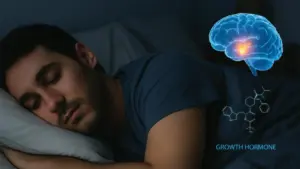
Researchers Uncover the Neural Circuitry Linking Deep Sleep to Growth Hormone Regulation

Tag: intervention

157 posts

Standard

Rethinking the Brain’s Wiring: Discovery of ‘Pearled’ Axons Challenges Century-Old Anatomical Models

For over a century, the standard textbook illustration of a neuron has remained largely unchanged: a central cell body from which sprouts a long, slender, and uniformly smooth cable known as an axon. These axons, which act as the biological conduits for electrical impulses, have long been depicted as sleek, hollow tubes. However, a groundbreaking…
Read more
Standard

Brain Protein Discovery Offers New Clues into the Mechanics of Biological Aging

For decades, the hallmarks of aging—fading memory, thinning skin, and brittle bones—have been treated by medical science as disparate issues, often addressed by different specialists using unrelated therapies. However, groundbreaking research emerging from the hypothalamus suggests that these seemingly distinct consequences of growing older may share a common origin. A study led by researchers at…

Read more
Standard

Beyond Relaxation: UC San Diego Study Links Intensive Meditation to Profound Biological Transformation

A week of intensive meditation and specialized mind-body practices may be capable of producing measurable physiological changes that extend far beyond the temporary state of relaxation typically associated with these activities. In a pioneering study published in the journal Communications Biology, researchers at the University of California San Diego have uncovered evidence that a seven-day…

Read more
Standard

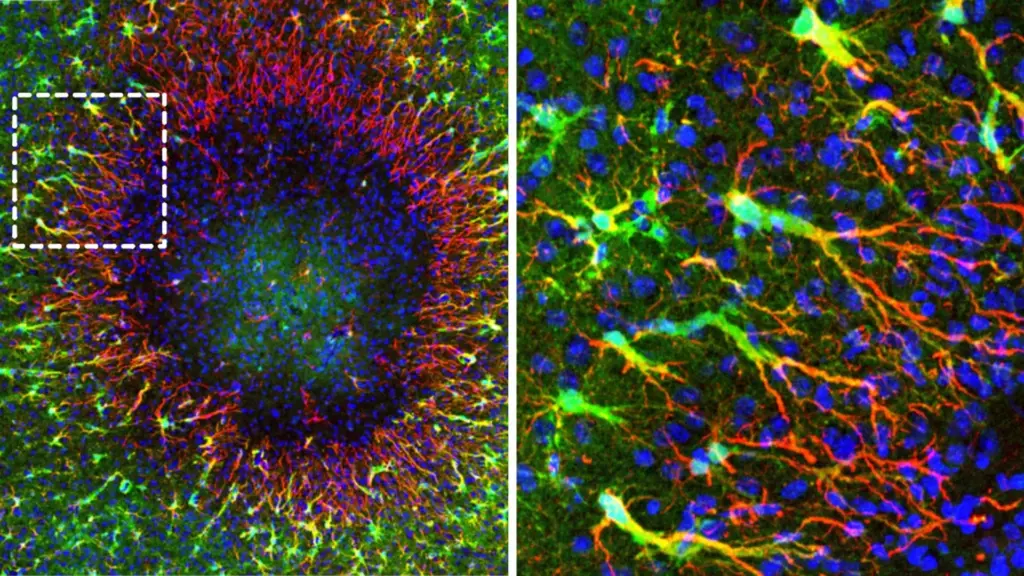
New Insights Into Brain Repair: Adult Astrocytes Found to Regenerate Through Unique Nuclei Migration

The human brain, long considered a relatively static organ once it reaches adulthood, may possess a far more dynamic capacity for self-repair than previously believed. For decades, the prevailing consensus in neurobiology held that once certain foundational support cells within the central nervous system were destroyed—whether through traumatic injury or autoimmune processes—they were effectively lost…

Read more
Standard

Unlocking the Brain’s Rhythm: New Research Reveals How Deep Brain Stimulation Alleviates Parkinson’s Symptoms

Deep brain stimulation (DBS) has long stood as one of the most transformative medical interventions for patients suffering from the debilitating motor symptoms of Parkinson’s disease. While the procedure—which involves the surgical implantation of electrodes to deliver precise electrical pulses to targeted deep-brain structures—is an established clinical standard, the precise neurological mechanisms that dictate its…

Read more
Standard

Immune Cells From the Body Enter the Human Brain During Aging, Stanford Study Finds

For decades, the central dogma of neurobiology has held that the brain is an immunologically privileged site—a sequestered, closed system shielded by the blood-brain barrier. Under this long-standing model, the brain’s specialized immune cells, known as microglia, were thought to be established during embryonic development and to remain a self-sustaining, isolated population throughout an individual’s…

Read more
Standard

New Finnish Study Challenges Conventional Wisdom on Screen Time and Adolescent Cognitive Development

For years, parents, educators, and health experts have sounded the alarm regarding the encroaching presence of screens in the lives of children and adolescents. Conventional wisdom has largely categorized screen time as a sedentary habit that detracts from physical health and academic potential, often warning of a "digital fog" that might impede cognitive growth. However,…

Read more
Standard

New Study Reveals How the Brain’s "Air Traffic Controller" Navigates Uncertainty

The human brain is a marvel of constant, high-speed processing, managing an overwhelming volume of data every second of every day. Even mundane tasks—such as navigating a morning commute—require a sophisticated synthesis of disparate mental processes. Behind the wheel, a driver must simultaneously maintain awareness of the route, recall the mechanical nuances of vehicle control,…

Read more