





BREAKING NEWS
Applied Behavior Analysis The Active Unconscious: How the Brain Continues to Process Language Under General Anesthesia 2 hours ago Child Development Yale Researchers Uncover How Stress Hormones Fine-Tune the Brain for Emotional Memory 2 hours ago Pediatric Healthcare Emergency Medical Supplies Airlifted to Beirut as Health System Faces Catastrophic Strain 4 hours ago Applied Behavior Analysis Precision Neuromodulation: Mount Sinai Researchers Identify Key Brain Pathways for Treating Severe Depression 10 hours ago Child Development New Research Links Alzheimer’s-Related Protein to Disrupted Sleep Patterns and Memory Decline 10 hours ago Occupational Therapy The Growing Essential Role of Occupational Therapy in Aging-in-Place Initiatives 10 hours ago Mental Health and Psychology The Architect of Choice: Viktor Frankl and the Power of the Internal Space 10 hours ago Pediatric Research Honoring Real-Life Heroes: World Humanitarian Day Shines a Light on Frontline Workers Amid Global Crises and COVID-19 10 hours ago Applied Behavior Analysis The Active Unconscious: How the Brain Continues to Process Language Under General Anesthesia 2 hours ago Child Development Yale Researchers Uncover How Stress Hormones Fine-Tune the Brain for Emotional Memory 2 hours ago Pediatric Healthcare Emergency Medical Supplies Airlifted to Beirut as Health System Faces Catastrophic Strain 4 hours ago Applied Behavior Analysis Precision Neuromodulation: Mount Sinai Researchers Identify Key Brain Pathways for Treating Severe Depression 10 hours ago Child Development New Research Links Alzheimer’s-Related Protein to Disrupted Sleep Patterns and Memory Decline 10 hours ago Occupational Therapy The Growing Essential Role of Occupational Therapy in Aging-in-Place Initiatives 10 hours ago Mental Health and Psychology The Architect of Choice: Viktor Frankl and the Power of the Internal Space 10 hours ago Pediatric Research Honoring Real-Life Heroes: World Humanitarian Day Shines a Light on Frontline Workers Amid Global Crises and COVID-19 10 hours ago
Stories
The Active Unconscious: How the Brain Continues to Process Language Under General Anesthesia
Yale Researchers Uncover How Stress Hormones Fine-Tune the Brain for Emotional Memory
Emergency Medical Supplies Airlifted to Beirut as Health System Faces Catastrophic Strain
Precision Neuromodulation: Mount Sinai Researchers Identify Key Brain Pathways for Treating Severe Depression
New Research Links Alzheimer’s-Related Protein to Disrupted Sleep Patterns and Memory Decline
The Growing Essential Role of Occupational Therapy in Aging-in-Place Initiatives
The Architect of Choice: Viktor Frankl and the Power of the Internal Space
Honoring Real-Life Heroes: World Humanitarian Day Shines a Light on Frontline Workers Amid Global Crises and COVID-19
Psychedelic Compound Psilocybin Found to Mute Aggressive Outbursts in Mangrove Rivulus Fish
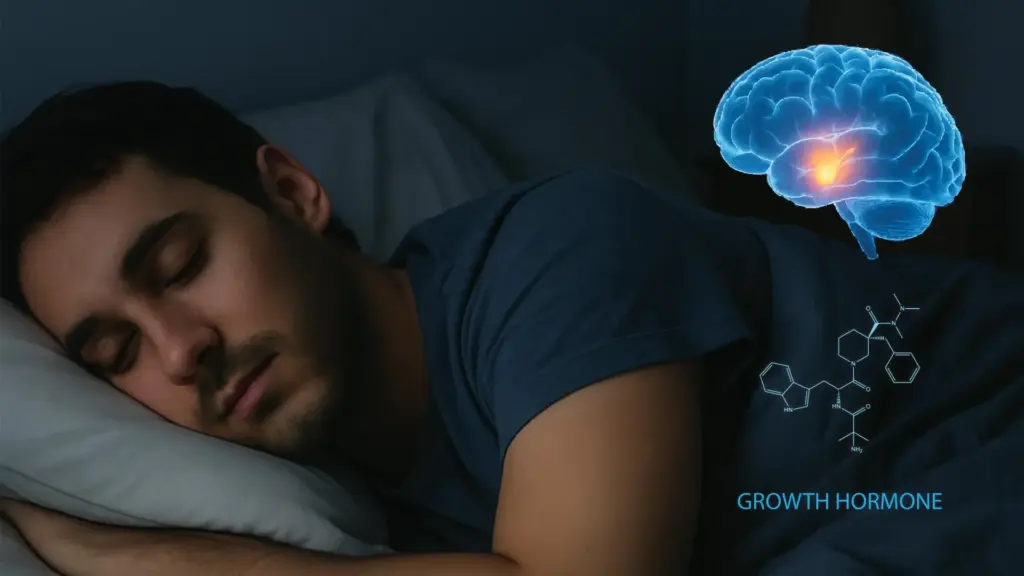
Researchers Uncover the Neural Circuitry Linking Deep Sleep to Growth Hormone Regulation

Tag: intervention

157 posts

Standard

Brain Tissue Study Provides Breakthrough Evidence Linking Amyloid Clearance to Reduced Tau and Neurodegeneration

An unusually detailed and revelatory examination of a human brain has provided what researchers are calling some of the most compelling evidence to date that clearing amyloid plaques—a hallmark of Alzheimer’s disease—can offer a tangible protective effect against the secondary, more destructive processes that drive cognitive decline. The findings, presented at the 2026 Alzheimer’s Association…

Read more
Standard

Mapping the Mind: New Study Identifies Critical Brain Connections for Treating Severe Depression

For patients suffering from treatment-resistant depression, the search for relief is often a grueling journey through failed medications, intensive therapy, and various experimental interventions. Among the most promising—and complex—of these interventions is deep brain stimulation (DBS), a surgical procedure that involves implanting electrodes to modulate specific neural circuits. Now, a team of researchers at Mount…

Read more
Standard

Psychedelic Compound Psilocybin Found to Curb Aggressive Behavior in Fish

Psilocybin, the psychoactive compound naturally occurring in more than 200 species of mushrooms—most notably those within the Psilocybe genus—has long been a subject of intense scientific fascination for its profound effects on the human mind. In mammals, the substance is known to interact with serotonin receptors, acting as a chemical modulator that can alter mood,…

Read more
Standard

Soy-Derived Compound Shows Promise in Mitigating Brain and Cardiovascular Damage from High-Salt Diets

Consuming excessive salt is a habit deeply embedded in modern dietary patterns across the globe, and for decades, public health authorities have warned of its clear link to hypertension and cardiovascular strain. However, emerging scientific evidence suggests that the dangers of a high-salt diet (HSD) extend far beyond the heart and blood vessels. Growing research…

Read more
Standard

Soy-Derived Compound Shows Promise in Mitigating Brain and Cardiovascular Damage from High-Salt Diets

Consuming too much salt is a staple concern of modern nutritional science, long recognized as a primary driver of hypertension and cardiovascular disease. However, emerging research suggests the health implications of a high-salt diet (HSD) extend far beyond blood pressure. Growing evidence indicates that excessive sodium intake may also interfere with critical cognitive functions, including…

Read more
Standard

New Brain Circuit Discovery Reveals How Sleep Regulates Growth and Metabolism

A good night’s sleep is often described as restorative, but the biological reality is far more dynamic than simply "recharging." While we slumber, the body engages in a complex, high-stakes physiological process that is essential for long-term health. During deep, non-REM sleep, the body releases growth hormone—a powerful chemical messenger that does far more than…

Read more

Mapping the Mind: New Study Identifies Critical Brain Connections for Treating Severe Depression with Deep Brain Stimulation

Researchers at the Icahn School of Medicine at Mount Sinai have unveiled a significant breakthrough in the quest to refine deep brain stimulation (DBS) for patients suffering from treatment-resistant depression. By analyzing data from the largest multi-site cohort of patients to date, the team has identified three specific white matter pathways in the brain that,…

Read more
Standard

Psilocybin Found to Selectively Mute Aggressive Behavior in Mangrove Rivulus Fish

In a significant discovery that offers a new window into the neurobiology of social interaction, researchers have found that psilocybin—the psychoactive compound found in over 200 species of mushrooms—exerts a surprisingly specific influence on the behavior of aggressive fish. The study, published in the journal Frontiers in Behavioral Neuroscience, suggests that even a brief, low-dose…

Read more
Standard

Soy-Derived Compound Shows Promise in Mitigating Brain and Cardiovascular Damage from High-Salt Diets

The modern diet is increasingly defined by high levels of sodium, a trend that public health experts have long warned is a primary driver of global hypertension. While the cardiovascular risks of excess salt—such as stroke, heart disease, and chronic kidney damage—are well-documented, a growing body of scientific evidence suggests that the impact of a…

Read more
Standard

Beyond Awareness: Study Reveals the Unconscious Brain’s Hidden Language Processing Abilities

Even when a patient is fully submerged in the profound stillness of general anesthesia, the human brain remains a hive of activity. While the clinical definition of being "under" suggests a complete cessation of cognitive interaction with the world, groundbreaking research from Baylor College of Medicine reveals that the brain continues to perform remarkably sophisticated…

Read more